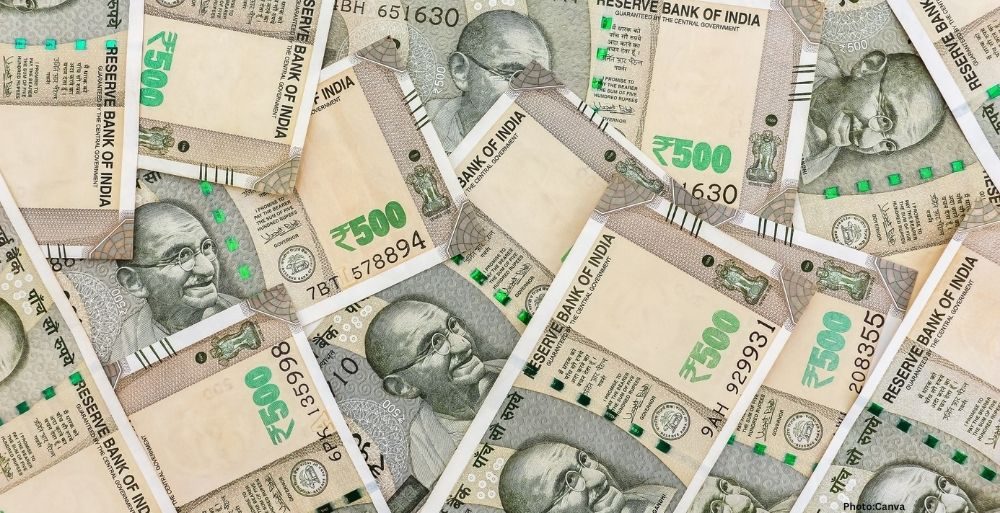









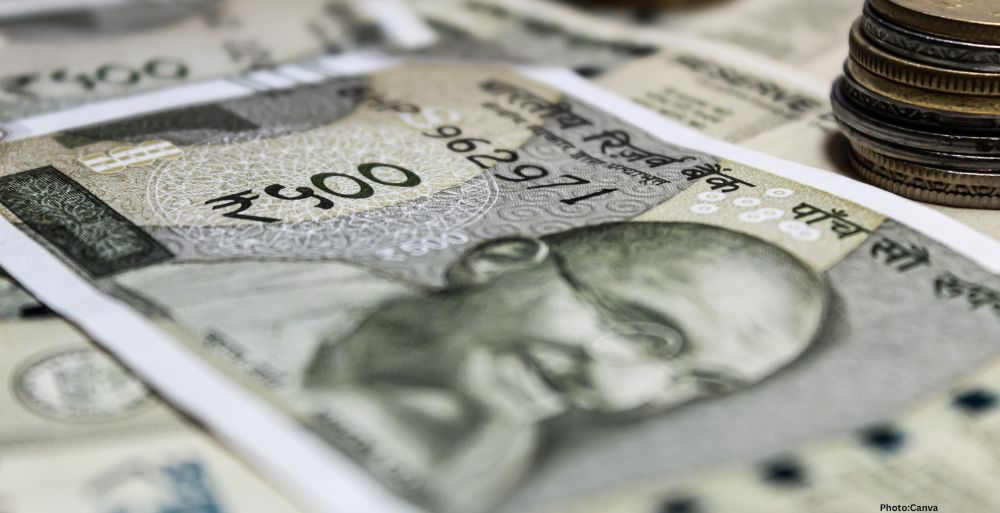
The Indian rupee has plunged to an unprecedented low against the US dollar, surpassing the 92 per dollar mark, amidst escalating geopolitical tensions in the Middle East. This development has sparked concerns over the economic stability of India, prompting the Reserve Bank of India (RBI) to potentially intervene to stabilize the currency in the volatile Asian markets.
The depreciation of the Indian rupee to a record low, breaching the 92 per dollar threshold, is a significant economic event with far-reaching implications. This decline is attributed largely to the intensifying conflict in the Middle East, which has historically been a region of geopolitical instability. The current situation has exacerbated global economic uncertainties, leading to increased volatility in currency markets. For India, a country heavily reliant on oil imports, the turmoil in the Middle East translates into higher import bills, exerting pressure on the rupee.
Historically, the Indian rupee has been sensitive to oil price fluctuations due to India’s status as one of the largest importers of crude oil. The Middle East supplies a significant portion of India’s oil, and any disruption in this supply chain can lead to a spike in prices, thereby impacting the rupee’s value. As tensions rise, the fear of supply disruptions has led to a surge in oil prices, further weakening the rupee against the dollar. This situation is compounded by the global shift towards safe-haven assets, with investors flocking to the US dollar, seen as a stable currency amidst the chaos.
The Reserve Bank of India, known for its prudent monetary policies, is likely to step in to curb further depreciation. The central bank has a history of intervening in the foreign exchange market to stabilize the rupee, deploying its foreign exchange reserves to manage excessive volatility. However, the RBI faces a delicate balancing act. Any aggressive intervention could deplete its reserves, which are crucial for maintaining investor confidence and supporting the country’s import needs.
Moreover, the depreciation of the rupee has broader economic implications. A weaker rupee makes imports more expensive, contributing to inflationary pressures within the country. This is a significant concern for a nation where inflation has been a persistent issue. The cost of essential goods, particularly those imported, will rise, affecting the purchasing power of the average Indian consumer. Additionally, industries reliant on imported raw materials will face increased production costs, which could be passed on to consumers, further fueling inflation.
On the flip side, a depreciated rupee can benefit the export sector by making Indian goods more competitive in the global market. However, the benefits to exporters may be offset by the broader economic challenges posed by inflation and increased import costs. Moreover, the global economic slowdown, partly due to the Middle East conflict, could dampen demand for exports, limiting the potential gains from a weaker currency.
The current situation also highlights the interconnectedness of global economies. The conflict in the Middle East has ramifications far beyond its borders, affecting global oil prices, currency markets, and economic stability in countries like India. This interconnectedness necessitates a coordinated response from global economic policymakers to mitigate the impact of such geopolitical events.
In the long term, India may need to reassess its energy strategy to reduce its vulnerability to external shocks. Diversifying its energy sources and investing in renewable energy could be viable strategies to mitigate the impact of future geopolitical tensions. Additionally, strengthening economic ties with other regions could provide alternative markets for Indian exports, reducing reliance on traditional partners.
In conclusion, the depreciation of the Indian rupee against the US dollar, driven by the conflict in the Middle East, underscores the fragility of global economic systems in the face of geopolitical tensions. While the Reserve Bank of India is expected to take measures to stabilize the currency, the broader economic implications of a weaker rupee, including inflation and increased import costs, pose significant challenges. The situation calls for strategic economic planning to enhance resilience against future shocks, ensuring sustainable growth and stability for India’s economy.