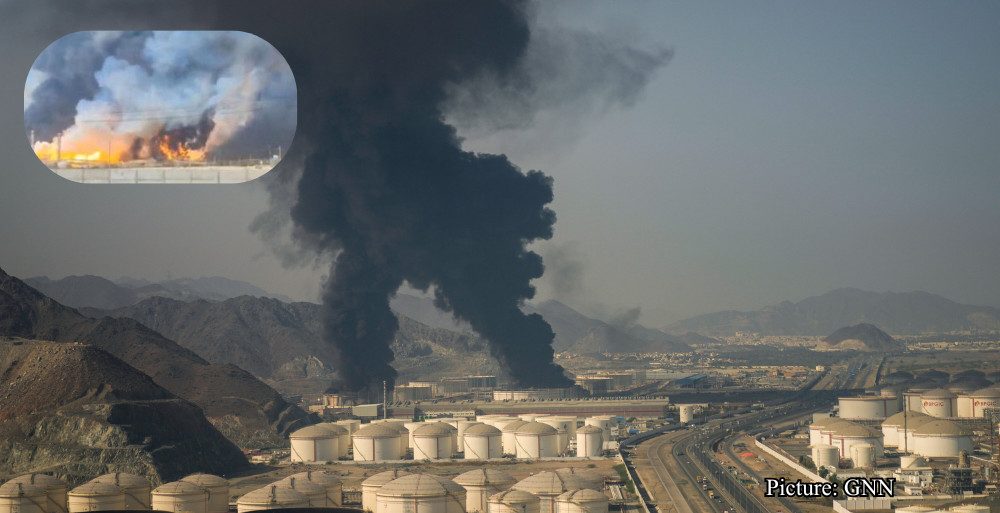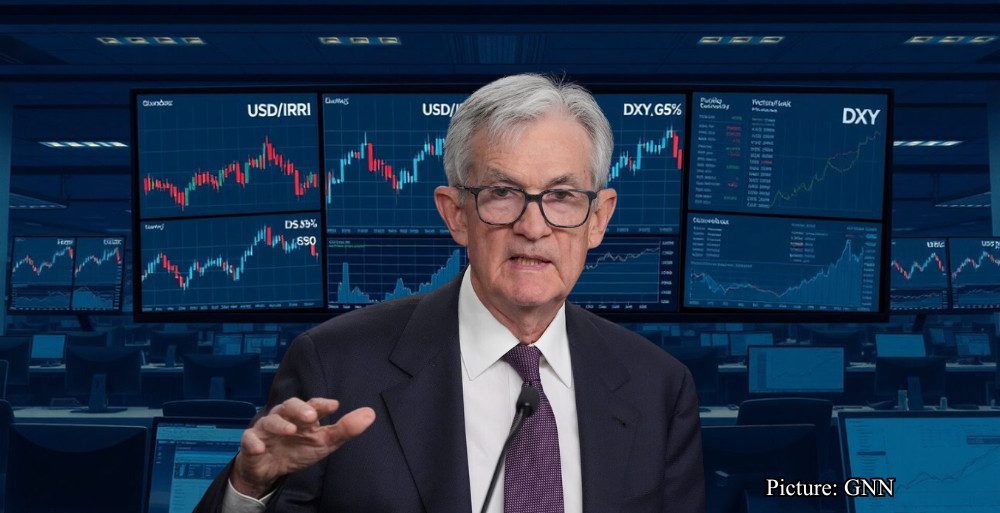









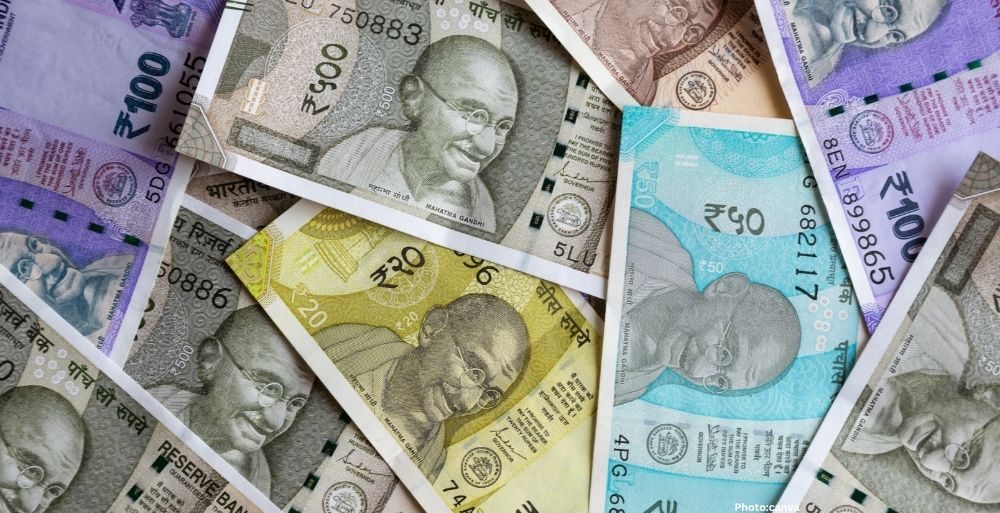
The Indian rupee has reached an all-time low against the U.S. dollar, reflecting heightened investor anxiety over the escalating conflict in the Middle East, which has led to significant fluctuations in Indian financial markets.
The Indian rupee plunged to a historic low of 89.85 against the U.S. dollar on October 10, 2023, marking the first instance in which it has crossed the 89.80 threshold. This decline occurs amidst rising geopolitical tensions following renewed hostilities between Israel and Hamas, raising concerns among investors regarding potential global economic repercussions.
The ramifications of this currency depreciation have reverberated through Indian financial markets, as evidenced by a 1.7% drop in the benchmark Sensex index on the same day. Such declines reflect a broader trend of risk aversion among investors, who are increasingly wary of the economic implications of the ongoing conflict.
Rising Oil Prices and Inflationary Concerns
Compounding the situation, crude oil prices surged above $90 per barrel, triggering fears of inflationary pressures in India, a nation heavily dependent on oil imports. Analysts forecast that inflation could escalate to levels not witnessed since 2014, potentially jeopardizing consumer spending and overall economic growth. The Reserve Bank of India has indicated that inflation may exceed its target range of 2-6%, necessitating potential adjustments to monetary policy.
Economic expert Ramesh Kumar notes, “The current geopolitical scenario is concerning for the Indian economy. If oil prices continue to rise, we could see significant inflationary pressures. This would necessitate a reevaluation of fiscal strategies and could lead to higher interest rates.” Such insights underscore the urgency for policymakers to address the emerging economic challenges.
The Indian government has historically intervened in the foreign exchange market to stabilize the rupee, yet the effectiveness of these measures in the face of escalating global tensions remains uncertain. The Ministry of Finance has acknowledged the profound challenges presented by external factors and emphasized the need for a coordinated response to ensure economic stability.
Historical Context of Currency Fluctuations
The Indian rupee’s volatility is not a new phenomenon; it has faced considerable fluctuations influenced by external economic conditions throughout its history. Notable instances include periods of geopolitical unrest, such as the Gulf War in the early 1990s and the financial turmoil during the COVID-19 pandemic. These events have necessitated significant adjustments in fiscal and monetary policies to mitigate adverse economic impacts.
As analysts monitor the current crisis, the implications of sustained conflict in the Middle East are particularly concerning. The region plays a critical role in global oil supplies, and disruptions could have far-reaching effects on economies worldwide, including India’s. The International Monetary Fund (IMF) has previously warned that prolonged instability in this region could lead to a global economic slowdown, with emerging markets like India being especially vulnerable to such downturns.
Market Reactions and Shifts in Investment Strategies
In response to the heightened uncertainty, financial institutions in India have begun recalibrating their forecasts for the rupee, anticipating further depreciation if the conflict escalates. Anjali Mehta, a senior analyst at a leading investment bank, stated, “We are advising clients to hedge their foreign exchange exposures in light of these developments.” This proactive approach illustrates the growing concern among financial experts regarding the currency’s stability.
Moreover, the Indian stock market has witnessed a notable shift toward safe-haven assets, including gold and government bonds, as investors seek to mitigate risk. The Bombay Stock Exchange has reported a significant increase in trading volumes for gold exchange-traded funds (ETFs), indicating a strategic pivot among both retail and institutional investors.
This defensive strategy reflects a broader trend where market participants are increasingly prioritizing capital preservation amid geopolitical uncertainty. As volatility persists, analysts expect continued fluctuations in market dynamics, further complicating investment strategies.
Outlook for the Indian Economy
The Indian rupee’s unprecedented decline highlights the fragile state of the economy in the wake of escalating global tensions. Economists and market analysts will be closely observing the situation as it unfolds, particularly the potential impacts on inflation and economic growth prospects in the coming months.
In light of these developments, the Indian government and financial institutions face the dual challenge of addressing immediate economic pressures while laying the groundwork for longer-term stability. Policymakers may need to consider a range of measures, including fiscal stimulus and monetary policy adjustments, to navigate the complexities posed by external shocks.
As the situation in the Middle East continues to evolve, the Indian economy’s resilience will be tested, with significant implications for both domestic markets and international economic relations. Stakeholders across the spectrum will need to remain vigilant, as the interplay between geopolitical events and economic fundamentals will undoubtedly shape the landscape of the coming months.