







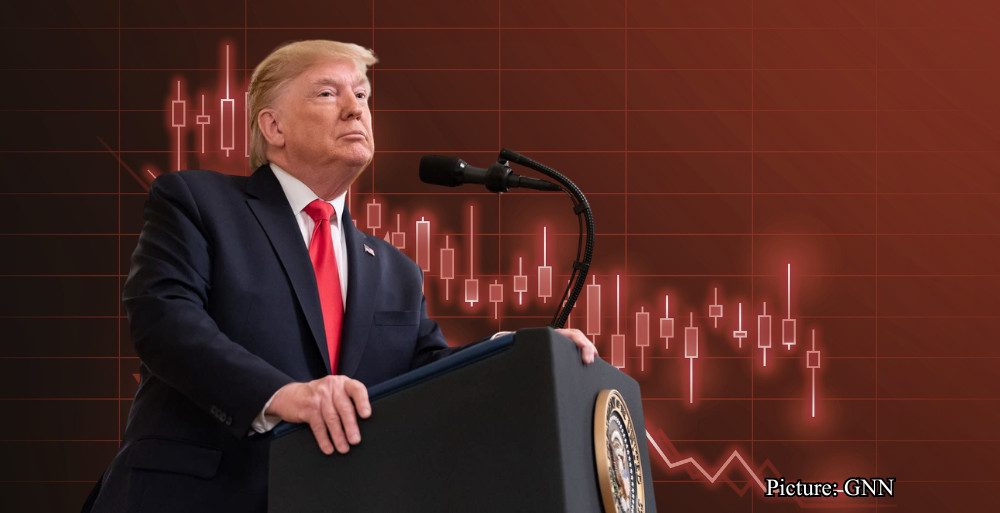
As the Trump administration navigates its economic policies, the stock market, which has experienced a remarkable rally since his election, faces potential risks that could lead to a downturn. While tariffs have often been highlighted as a primary concern, other significant factors loom on the horizon that could unsettle investors and disrupt the market’s trajectory.
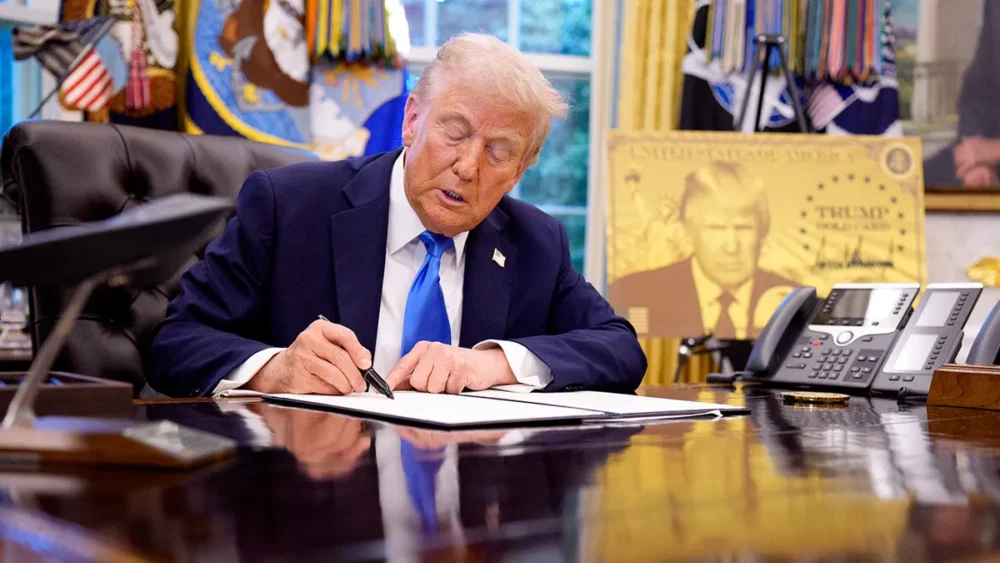
The tenure of President Donald Trump has been marked by a stock market rally that has defied expectations, driven by tax cuts, deregulation, and a generally business-friendly environment. However, this period of prosperity is not without its vulnerabilities. While tariffs have been a focal point of economic discussions, three other catalysts could pose a more substantial threat to the market’s stability.
Firstly, the specter of rising interest rates has been a persistent concern for investors. The Federal Reserve, in its mandate to control inflation and maintain employment, has signaled its intention to gradually raise interest rates. This policy shift, while necessary to prevent the economy from overheating, can have a chilling effect on the stock market. Higher interest rates increase the cost of borrowing, which can dampen corporate profits and slow down consumer spending. Companies that have relied heavily on cheap debt to finance expansion may find themselves in a precarious position as their interest expenses rise. Furthermore, higher rates make bonds more attractive compared to stocks, potentially leading to a reallocation of investment portfolios away from equities.
Secondly, the potential for a global economic slowdown poses a significant risk. The interconnected nature of the global economy means that a downturn in one region can have ripple effects worldwide. The ongoing trade tensions, not just between the United States and China but also involving other major economies, have already shown signs of impacting global growth. The International Monetary Fund has revised its growth forecasts downward, citing trade disputes as a key factor. A slowdown in global growth can lead to reduced demand for American exports, affecting the revenues of companies with significant international exposure. Additionally, a weaker global economy can lead to declines in commodity prices, affecting sectors such as energy and materials.
The third catalyst is the potential for political instability. The Trump administration has been characterized by a degree of unpredictability, with frequent changes in personnel and policy direction. Political uncertainty can lead to market volatility, as investors react to sudden shifts in policy or unexpected geopolitical developments. The upcoming elections and the potential for changes in the political landscape add another layer of uncertainty. Markets tend to dislike uncertainty, and any indications of political turmoil or policy reversals could lead to sell-offs.
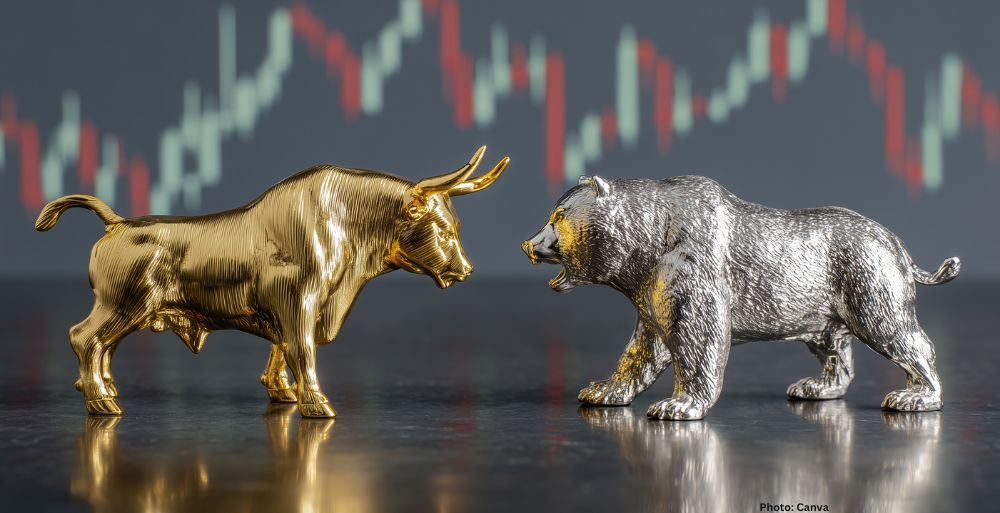
While tariffs have been a headline issue, these three factors—rising interest rates, global economic slowdown, and political instability—represent more profound challenges that could trigger a market correction. Investors would do well to look beyond the immediate noise and consider these underlying risks. The stock market’s current valuation levels suggest a degree of optimism that may not fully account for these potential headwinds.
In conclusion, as the Trump administration continues to chart its economic course, the stock market remains susceptible to a variety of risks. While tariffs are an important consideration, the broader economic context, including monetary policy, global growth trends, and political dynamics, will play a crucial role in determining the market’s future direction. Investors must remain vigilant and prepared for the possibility that these factors could converge to create a perfect storm, leading to a significant market correction.