







“Writing isn’t just recording facts; it’s preserving cultural memory and ensuring heroes aren’t forgotten. When you write, you create something that outlives you, influencing minds long after you’re gone. Success is beyond being on the bestseller lists or receiving prizes; it’s about impact, growth, and legacy. Become an author because it lets you shape narratives, inspire others, grow profoundly, and leave an enduring mark.”
Choosing to be a writer is one of the most profoundly rewarding pursuits a person can undertake, and my own journey as an author and biographer stands as living proof of why you should seriously consider it. Over the years, I’ve authored multiple books, including The Man India Missed the Most: Subhas Chandra Bose, The Great Indian Genius, Har Dayal, Delhi in the Era of Revolutionaries, Namaste Cannes, India on the World Stage, and now finishing the biographical works on Sardar Patel and Gautam Buddha, that have not only achieved recognition but have reshaped my life, career, and sense of purpose.
I strongly recommend writing books, fiction, nonfiction, or poetry after having experienced the highs, challenges, and transformations.
First, writing immortalises ideas and legacies. When you write, you create something that outlives you, influencing minds long after you’re gone. As a biographer, I’ve had the privilege of breathing new life into figures who shaped history. Subhas Chandra Bose, the revolutionary leader of India during our freedom struggle, has been somewhat overshadowed in mainstream narratives. Through rigorous research, interviews, and archival dives over two decades, my biography, published in 2017, brought his story to a new generation, highlighting his strategic brilliance, unwavering patriotism, and indomitable courage. Readers have told me it reignited their pride in India’s independence movement.
The greatest reward for me was witnessing Bose’s statue being placed at the most significant intersection of our country. Similarly, reviving Har Dayal’s legacy, the brilliant intellectual, revolutionary, and founder of the Ghadr Party, allowed me to showcase an often-forgotten genius whose ideas on education, anti-colonialism, social reform, cosmopolitanism, and global peace remain relevant today. My writings about unsung Indian revolutionaries led to 16 large district parks in Delhi being named after forgotten heroes, including one in honour of Har Dayal. Writing isn’t just recording facts; it’s preserving cultural memory and ensuring heroes aren’t forgotten.
Second, writing builds deep expertise and authority. Writing forces you to master your subject, read voraciously, verify sources, and synthesise complex ideas, which turns you into an authority others seek out. Becoming an author in specialised fields like history, biography, cinema, and geopolitics has positioned me as a go-to voice.
My books on Indian cinema’s global journey, such as Namaste Cannes, drew from years of attending the Cannes Film Festival, networking with international filmmakers, and analysing the evolution of Indian cinema as a correspondent of Screen International (UK). Columns I’ve written, like the latest one on India-Israel relations published in BW BusinessWorld, draw on the same depth of research that fuels my books.
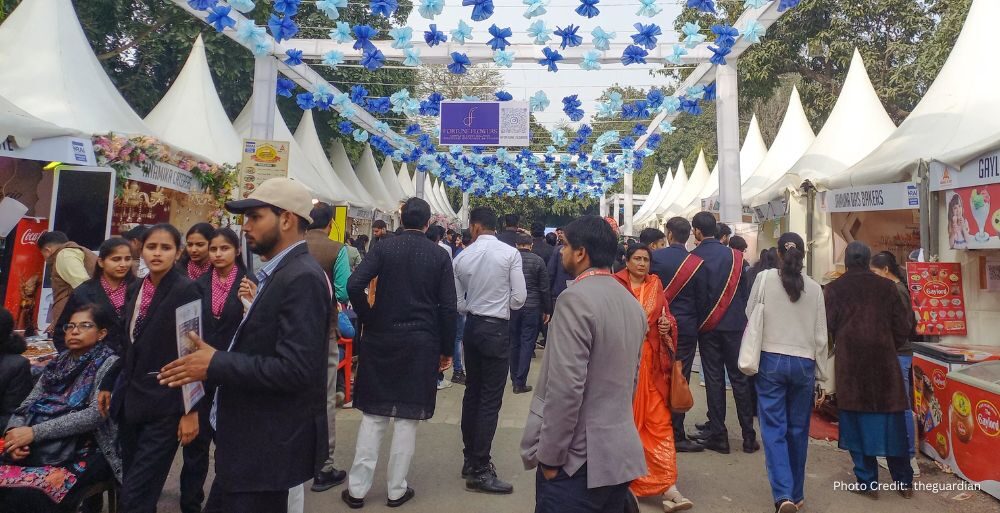
These writings opened doors to primetime television appearances, radio interviews, podcasts, YouTube lectures, film festivals, cinema events, literature festivals, award shows, and talks at prestigious universities, where I spoke as an author. I am now invited worldwide to give motivational talks on leadership and heroism, drawing on figures like Subhas Bose and Har Dayal. Being a sought-after speaker came directly after my first book; audiences connect with authors who bring stories to life.
Third, writing rewires your mind and promotes personal growth. As I once reflected, writing five books didn’t just produce covers for a shelf; it fundamentally rewired who I am. Researching alone for hours, wrestling with structure, battling with language, and revising relentlessly builds discipline, resilience, and clarity.
It also sharpens critical thinking, improves communication, and fosters lifelong learning. Biography demands empathy: stepping into someone else’s life, understanding their motivations, flaws, and triumphs. Writing has made me more compassionate, reflective, respectful, and patient. Many aspiring writers fear the blank page, but conquering it repeatedly builds unshakeable confidence. My journey from documentary filmmaker and entrepreneur to published author taught me that creativity thrives in structure, and persistence turns potential into proficiency.
Fourth, writing creates unexpected opportunities, unbelievable networks, and magical moments. All my books were launched by living legends and luminaries, including Subhash Ghai, Ashok Amritraj, Ketan Mehta, Deepa Sahi, Sudhir Misra, and Ashutosh Gowariker, as well as a British Lord, a French Mayor, an Indian Ambassador, and a Global Indian multi-billionaire. My book, Delhi in the Era of Revolutionaries, was launched by the Lieutenant Governor of Delhi at Raj Niwas and subsequently presented to the Vice President of India.
After two successful global book launches at Saint Tropez, my latest book, Namaste Cannes, was launched at the iconic Carlton Hotel during the Festival de Cannes. It received an endorsement from superstar Amitabh Bachchan, who also wrote a stunning review and posed for a photograph with it. Our next book launch event is in Mumbai in March 2026. Writing opens global doors; my work has reached readers worldwide, sparking discussions on India’s role on the world stage, from cinema to diplomacy. If you’re in business, academia, activism, or any field, authoring a book elevates your profile exponentially and amplifies other passions.
Fifth, the emotional and intellectual contentment of writing is unmatched. There’s a unique joy in seeing your words resonate. When a reader from across the seven seas messages that my biography of Subhas Bose inspired them to learn more about India’s forgotten freedom fighters, or when someone important credits Namaste Cannes for understanding Indian cinema’s international breakthroughs, it’s profoundly fulfilling.
Writing lets you process the world, whether exploring Gautam Buddha’s enlightenment or Sardar Patel’s rock-solid governance of India, and share insights that can change perspectives. In a fast-paced digital age of short-form content, long-form writing offers depth and permanence. It satisfies the human need to create meaning. Authors remain respected citizens across our planet.
If you’re contemplating being an Author, be it fiction, non-fiction, biography, or essays, start today. In the digital noise and chaos of today, the world needs more voices sharing authentic stories, especially those that reflect humanity’s rich history, contributions, and genius. Of course, it’s not always easy.
The life of an author involves many rejections, accepting criticism, isolation during drafts, and the pressure of time. Yet those challenges forge character. Writing these five books required years of dedication, but each completion brought immense pride and momentum for the next. Success is beyond being on the bestseller lists or receiving prizes; it’s about impact, growth, and legacy.
Become an author because it lets you shape narratives, inspire others, grow profoundly, and leave an enduring mark. From my experience, few paths offer such lasting rewards. The world out there is looking forward to reading your book.
Disclaimer: The views expressed in this article are those of the author and do not necessarily reflect the views of the publication.
Source Credit: https://www.businessworld.in/article/why-becoming-an-author-transforms-lives-careers-legacies-595304