




The Pentagon Press Association is urging the immediate restoration of journalists’ access to the Defense Department after a federal judge ruled that the Pentagon’s media policy was unconstitutional, citing First and Fifth Amendment violations.
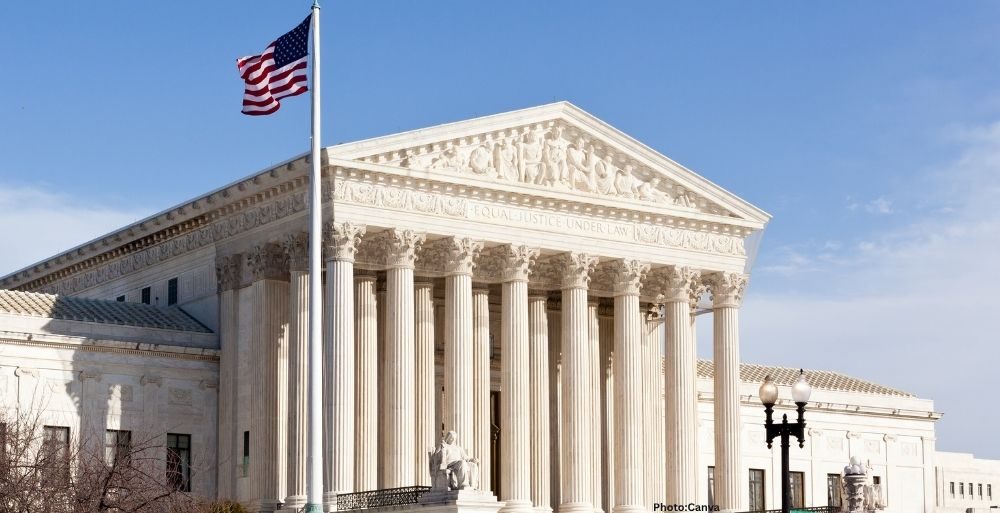
The Pentagon Press Association (PPA) is calling for the swift reinstatement of press access to the Defense Department following a landmark ruling by U.S. District Judge Paul Friedman, which declared the Pentagon’s recent media access restrictions unconstitutional. This ruling, issued on Friday, has significant implications for press freedom, particularly as the U.S. military engages in active operations in regions including Venezuela and Iran.
Judge Friedman’s 40-page decision sided with The New York Times, which had filed a lawsuit in December challenging the legality of the Pentagon’s policy. The court highlighted the importance of protecting national security while also recognizing the critical need for public access to diverse viewpoints regarding government activities, especially in light of current military involvements.
“The Court recognizes that national security must be protected, the security of our troops must be protected, and war plans must be protected,” Friedman stated in his ruling. “But especially in light of the country’s recent incursion into Venezuela and its ongoing war with Iran, it is more important than ever that the public have access to information from a variety of perspectives about what its government is doing,” he emphasized.
Details of the Pentagon’s Media Policy
The restrictions imposed by the Pentagon were designed to control the dissemination of sensitive information and to mitigate potential security risks associated with media reporting. The policy asserted that while publishing sensitive information is generally protected under the First Amendment, soliciting such information could categorize a journalist as a “security or safety risk.” This provision raised concerns among journalists and press organizations, who argued that it effectively stifled independent reporting.
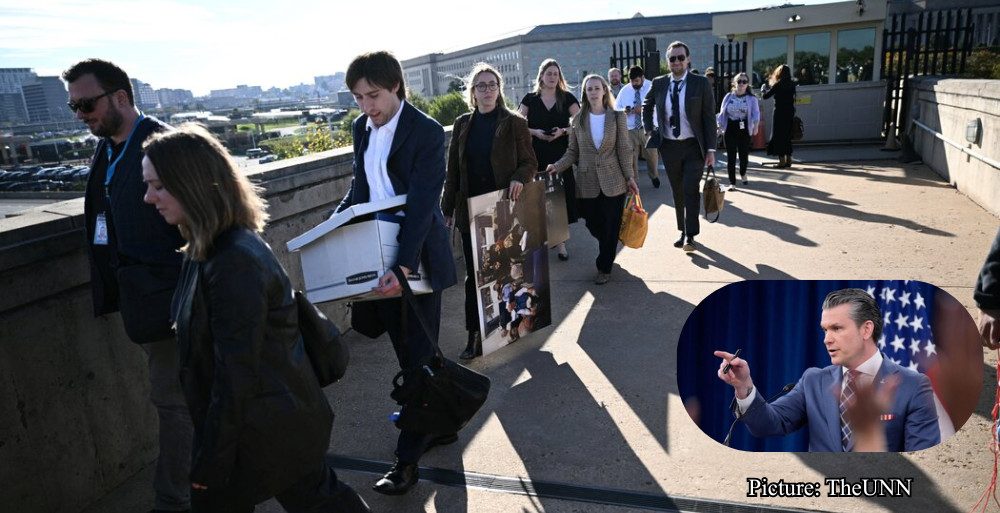
In response to these restrictive measures, numerous journalists, including those from The Hill and other major outlets, opted to surrender their press credentials rather than comply with the new guidelines. This unprecedented move resulted in a notable shift within the media landscape surrounding the Pentagon, as it marked the first time since the Eisenhower administration that no major U.S. television network or publication maintained a permanent presence in the building.
Reactions from the Pentagon and the Press Community
Following the ruling, Pentagon spokesman Sean Parnell expressed the department’s strong disagreement with the court’s decision and announced plans to pursue an appeal. Meanwhile, the PPA, which advocates for journalists covering the Defense Department, contends that the ruling necessitates the immediate restoration of press passes for all journalists who had relinquished them under the controversial policy.
As part of the ruling, Judge Friedman mandated the immediate reinstatement of press credentials for seven journalists from The New York Times who had previously held such passes. In a statement released on Saturday, a spokesperson for The Times confirmed that the paper’s legal department had reached out to Pentagon counsel to request the restoration of these credentials, seeking compliance with the judge’s order by the following Monday.
Implications for Press Freedom and National Security
The implications of this ruling extend far beyond the immediate restoration of access. It raises pivotal questions about the balance between national security interests and the public’s right to information. Journalists have historically played a vital role in holding government entities accountable, particularly regarding military engagement and foreign affairs. Critics argue that by restricting access, the Pentagon has hampered journalists’ ability to effectively report on ongoing military operations, potentially leading to a less informed public.
This case also underscores the ongoing tensions between government agencies and the media, particularly concerning the interpretation of press freedoms during times of conflict. As military engagements continue across the globe, the ability of journalists to provide transparent and accurate coverage becomes increasingly crucial. The current legal battle thus not only affects immediate press access but also sets a precedent for how military operations are reported in the future.
Historical Context and Future Considerations
The Pentagon’s media policy is not the first time concerns about press access and national security have collided. Historically, during wartime, the military has often implemented restrictions on journalists to control the narrative surrounding military engagements. However, such policies can lead to significant public relations challenges, especially when the media is perceived as an essential watchdog of government accountability.
The ongoing judicial proceedings will likely influence how the Pentagon approaches media relations going forward. Should the appeal fail, it may signal a shift towards greater transparency and accessibility for journalists covering military operations. Conversely, a successful appeal could embolden the Pentagon to maintain stringent controls over press access, impacting the ability of journalists to report effectively on military activities.
Conclusion
The legal battle surrounding the Pentagon’s media policy highlights a critical juncture in the relationship between the U.S. government and the press. As the Pentagon prepares to appeal the ruling, the outcome will have lasting effects on how military operations are reported and the broader implications for press freedoms in the United States. With ongoing military conflicts and complex geopolitical dynamics, the role of the press in providing accurate and comprehensive coverage remains more vital than ever.