







A rare and very public internal dispute has erupted inside CBS News after the iconic investigative program 60 Minutes abruptly pulled a story examining deportations carried out under the Trump administration, reigniting broader questions about political pressure, editorial judgment, and newsroom independence in an election-charged media environment.
Just two hours before the program aired on Sunday, CBS announced that a report by veteran correspondent Sharyn Alfonsi would not be included in the broadcast. The segment focused on migrants deported from the United States to El Salvador and detained in the country’s high-security CECOT prison, where former detainees alleged mistreatment and abuse.
The decision immediately set off internal backlash after Alfonsi accused CBS leadership of making a “political” — rather than editorial — choice. At the center of the controversy is CBS News editor-in-chief Bari Weiss, who confirmed that she personally made the call to pull the story, arguing that it did not yet meet the program’s editorial standards.
In an email sent to fellow “60 Minutes” correspondents and later reported by multiple outlets, Alfonsi said the piece had already cleared CBS’s lawyers and its internal standards division. The only missing element, she wrote, was participation from the Trump administration — which declined repeated interview requests.
“In my view, pulling it now after every rigorous internal check has been met is not an editorial decision,” Alfonsi wrote. “It is a political one.”
Alfonsi emphasized that her team had sought comment from the White House, the Department of State, and the Department of Homeland Security. Their silence, she argued, should not constitute grounds to kill a story.
“Government silence is a statement, not a veto,” Alfonsi wrote. “If the administration’s refusal to participate becomes a valid reason to spike a story, we have effectively handed them a ‘kill switch’ for any reporting they find inconvenient.”
The dispute spilled into the open on Monday during CBS News’ daily internal editorial call, where Weiss addressed Alfonsi’s memo directly. According to a transcript shared internally, Weiss defended her decision while expressing frustration over how the disagreement had been framed.
“The only newsroom I’m interested in running is one in which we are able to have contentious disagreements about the thorniest editorial matters with respect — and, crucially, where we assume the best intent of our colleagues,” Weiss said. “Anything else is completely unacceptable.”
Weiss insisted the story was not permanently shelved, saying she looked forward to airing Alfonsi’s report “when it’s ready.” She argued that while the testimony from former detainees was compelling, similar reporting had already appeared in The New York Times and other outlets.
“To run a story on this subject two months later, we need to do more,” Weiss said. “And this is ‘60 Minutes.’ We need to be able to get the principals on the record and on camera.”
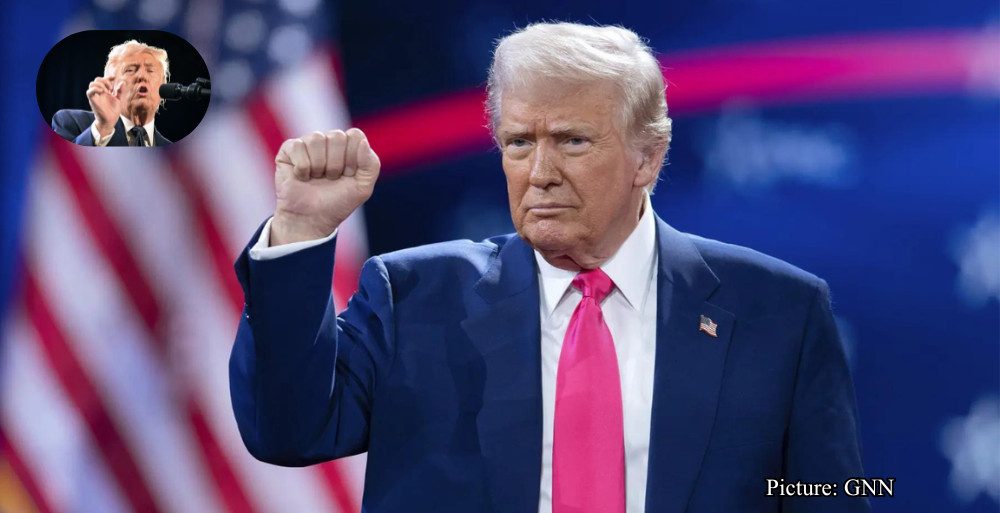
The clash has revived scrutiny of Weiss’ appointment last October, which some journalists viewed as a signal that CBS News might pivot toward a more cautious approach to coverage of Donald Trump, a longtime critic of the network. Trump has repeatedly attacked “60 Minutes,” refused interviews with the program during the last election cycle, and sued CBS over its handling of an interview with his former opponent Kamala Harris. That lawsuit was settled earlier this year when CBS parent company Paramount Global agreed to pay Trump $16 million.
Despite Trump’s hostility, “60 Minutes” has continued to air hard-hitting reports during the early months of his second term. Correspondents including Scott Pelley have produced investigative pieces critical of the administration. Accepting a journalism award from USC Annenberg earlier this month, Pelley said those stories aired last spring “with an absolute minimum of interference.”
He also acknowledged lingering concerns within the newsroom following changes in Paramount’s ownership. “It’s early yet,” Pelley said, “but what I can tell you is we are doing the same kinds of stories with the same kind of rigor, and we have experienced no corporate interference of any kind.”
Still, the decision to pull Alfonsi’s deportation story has unsettled journalists inside and outside CBS, reopening a perennial debate about whether access journalism — the desire to secure interviews with powerful officials — can quietly shape editorial decisions. For critics, the episode raises fears that refusing participation could become a tool for governments to block unfavorable coverage.
For CBS News leadership, the dispute underscores a different concern: maintaining the gold standard reputation of “60 Minutes,” a program long defined by depth, originality, and on-the-record accountability.
As the fallout continues, the controversy has placed one of America’s most respected news institutions under an uncomfortable spotlight — testing its commitment to editorial independence at a moment when trust in media, and the pressure exerted on it, has rarely been higher.