









In a culture obsessed with productivity, achievement, and constant self-optimization, happiness is often treated like a goal to be conquered. We plan for it, chase it, and pressure ourselves to “feel good” at all costs. Yet psychologists, spiritual thinkers, and lived experience increasingly point to a paradoxical truth: the harder happiness is pursued, the more distant it becomes.
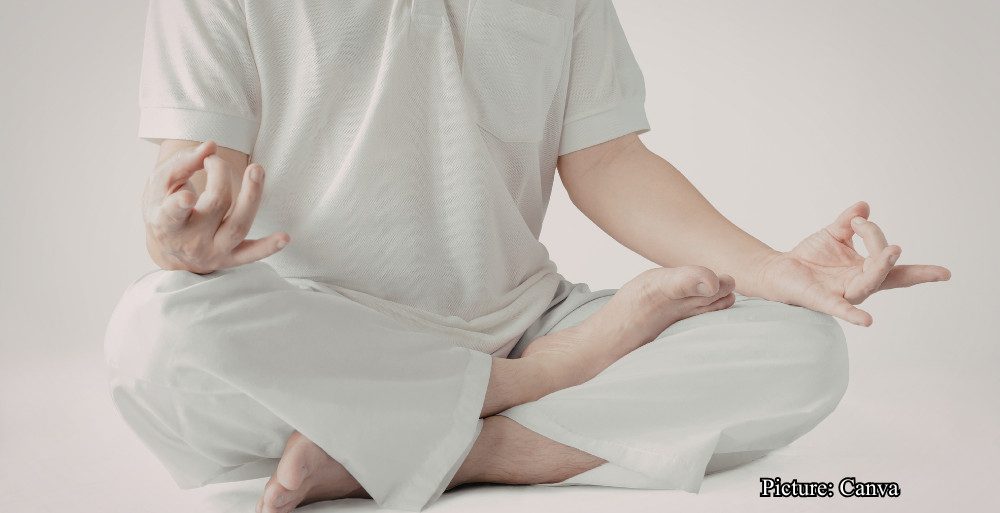
This growing body of thought is captured in the idea known as the art of surrender—a mindset that reframes happiness not as something to force, but as something that arrives when control is loosened. Rather than demanding joy on command, surrender invites individuals to accept life as it unfolds, allowing contentment to emerge organically.
Awareness Before Action
Mental health experts consistently emphasize that sustainable well-being begins with awareness. According to clinical psychologist Dr. Susan David, emotional agility—acknowledging emotions without judgment—is key to long-term psychological health. “Discomfort is the price of admission to a meaningful life,” she notes in her work.
Many people unknowingly trap themselves in emotional suppression, trying to manufacture positivity while ignoring sadness, frustration, or fear. This internal resistance often creates more distress. Surrender, by contrast, begins with honest self-observation—recognizing what is present without immediately trying to change it.
“When people stop fighting their emotions and start listening to them,” says mindfulness researcher Dr. Jon Kabat-Zinn, “they often find that what they feared most becomes their greatest teacher.”
The Illusion of Control
Modern life reinforces the belief that everything—from careers to emotions—can be managed with the right strategy. Yet happiness does not operate on a checklist. Behavioral science shows that excessive control can backfire, leading to burnout and emotional exhaustion.
Psychologist Barry Schwartz, author of The Paradox of Choice, explains that over-optimization fuels dissatisfaction. “The more we seek to control outcomes, the more we notice when reality doesn’t cooperate,” he writes.
Surrender does not imply passivity. Instead, it involves releasing the illusion that happiness must be engineered. When individuals stop micromanaging their emotional states, they often experience relief—and, unexpectedly, joy.
Why Chasing Happiness Backfires
Research published in the Journal of Experimental Psychology has shown that valuing happiness too intensely can increase loneliness and disappointment. This phenomenon, known as the happiness paradox, suggests that relentless pursuit raises unrealistic expectations.
“Happiness isn’t a constant high,” explains psychiatrist Dr. Anna Lembke. “It’s the capacity to move through the full range of human experience with resilience.”
Surrender reframes happiness as a byproduct of engagement, presence, and acceptance—not as a permanent emotional peak.
Vulnerability as Strength
Letting go also means embracing vulnerability. Cultural narratives often portray vulnerability as weakness, yet studies by researcher Brené Brown demonstrate the opposite. “Vulnerability is the birthplace of joy, creativity, and belonging,” she says.
When people allow themselves to be imperfect—to feel uncertainty, grief, or doubt—they create space for authentic connection and emotional depth. This openness, surrendering the need to appear constantly “okay,” often becomes a gateway to genuine happiness.
Living With the Rhythm of Change
Impermanence is one of life’s few certainties. Resisting change frequently intensifies suffering, while accepting it fosters adaptability. Buddhist philosophy and modern psychology converge on this point: peace emerges when resistance ends.
“Surrender is not resignation,” spiritual teacher Eckhart Tolle explains. “It is the acceptance of what is, without mental commentary.”
By aligning with life’s natural rhythm rather than fighting it, individuals often discover that happiness was never missing—it was simply obscured by struggle.
Mindfulness and Trusting the Process
Mindfulness practices anchor attention in the present moment, where happiness most often resides. Neuroscientific studies show that present-moment awareness reduces anxiety and increases life satisfaction.
Ultimately, surrender requires trust—trust in oneself, in time, and in the unfolding of life. Happiness, as many discover, is not found at the finish line but along the way.
As Tolle famously observed, “Sometimes letting things go is an act of far greater power than hanging on.”