









By Bellamkonda K. Kishore, M.D., Ph.D., MBA
Lifespan is the length of time in years a person lives. Healthspan is the length of time a person lives in good health, free from chronic diseases, severe illness, and disability. Healthspan focuses on quality of life rather than the total number of years lived (lifespan). The average life expectancy in India at the time of independence in 1947 was 32 years, which reached to 72 years in 2024, i.e., more than doubled. There are several factors for that, such as drastic reductions in infant/maternal mortality, the eradication of major infectious diseases, improved sanitation, and expanded healthcare infrastructure. These gains are supported by better nutrition, increased literacy, and improved access to medical care. So, now many people in India are living up to their 70s. But their healthspan is decreasing due to a surge in chronic diseases, multimorbidity, and poor lifestyle choices. This growing “healthspan-lifespan gap” for India is approximately 9.2 for men and 11.8 for women, meaning people live over a decade in poor health despite rising life expectancy. While the global average healthspan-lifespan gap is approximately 9.6 years, India’s situation is more severe. In a 2025 analysis of 183 WHO member states, India’s high burden of disease places it among countries needing urgent, proactive, and preventive health strategies to bridge this gap. Driven by non-communicable diseases (NCDs) and poor diets, this gap in India is higher in urban areas and is threatening India’s economic demographic dividend.
Ironically, although the healthspan-lifespan gap in the United States is 12.4 years (life expectancy 79 years) most elderly Americans are increasingly mobile and self-reliant due to a strong preference for “aging in place,” supported by assistive technology (e.g., walkers, smart home devices) and, increasingly, smartphones. Besides, people in countries like the USA are used to doing their chores from childhood, without depending on others, such as domestic helpers. Culturally, they are “self-reliant”. In a 2014 article published in the Atlanta Dunia I linked self-reliance of working-class people to high per capita GDP of the country, such as the United States. Here, I would like to present growing evidence that being self-reliant by doing household chores positively impacts both lifespan and healthspan and offers other benefits. Healthspan does not necessarily mean free from chronic diseases. It also comprises how one can manage with chronic diseases and be self-reliant in day-to-day life, just as most Americans do. It is possible to maintain a high quality of life despite a decreasing healthspan, through proactive management, adaptation, and a focus on psychosocial health, the “healthy aging”
In recent years, evidence is accumulating that doing household chores improves longevity and healthspan by improving physical and mental health as follows.
Positive Impact of doing Household Chores on Longevity or Lifespan: Household chores are linked to longer life, as it acts as physical activity, reducing frailty, and lowering mortality risk in older adults. Even light chores contribute to longevity. Studies have demonstrated that doing household chores on regular basis: (i) improved physical and mental health; (ii) cognitive benefit; and (iii) reduced mortality by reducing chronic disease risk, and cancers (see below for PubMed citations).
Positive Impact of Household Chores on Healthspan: Household chores positively impact healthspan by reducing disease burden and mortality risk as above. But excessive housework can cause stress and poor health, especially in women. Moderate and regular household work improves brain volume, better physical function and lower dementia risk in older adults (see below for PubMed citations).
Positive Impact of Household Chores on Physical and/or Mental Health at All Ages: Household chores offer significant physical and mental benefits at all ages, and boosts self-esteem. Mindful chores like dishwashing can reduce nervousness. Cooking at home improves physical health by enabling better nutritional control – reducing processed food intake, lowering BMI, and managing chronic conditions like diabetes. Mentally, it boosts self-esteem, provides a creative outlet for stress relief, fosters mindfulness, and promotes social connection through shared meals (see below for PubMed citations).
Bonus Benefits of Household Chores: Research supports the idea that performing household chores can positively influence workplace efficiency by fostering essential professional skills and improving mental clarity. Key studies indicate that the discipline and organization required for domestic tasks often translate into higher job performance and better executive function. Stress Management: For many, the office feels less stressful than managing home responsibilities, making professional tasks seem more manageable. Distraction Management: While chores can disrupt focus, they can also prevent “slack” time by replacing less productive habits. Time Management: Organizing home life can directly improve time management in the workplace, resulting in higher task proficiency.
The above may explain higher lifespan, better quality of life, and higher per capita GDP in countries where people do their own household chores.
PubMed Citations Supporting the Above:
Please copy and paste the PMID+Number in Google search to access the scientific publication.
PMID: 37280557; PMID: 37854240; PMID: 23139642; PMID: 34044683; PMID: 24942970; PMID: 40598362;
PMID: 39018094; PMID: 23667441; PMID: 37951874; PMID: 21350247; PMID: 37280557; PMID: 24139277;
PMID: 32052986; PMID: 38089027; PMID: 37927818; PMID: 23919266; PMID: 28943267; PMID: 29320997;
PMID: 33546613; PMID: 38469121; PMID: 34810188; PMID: 36514054; PMID: 33256652; PMID: 37554140;
PMID: 23469186
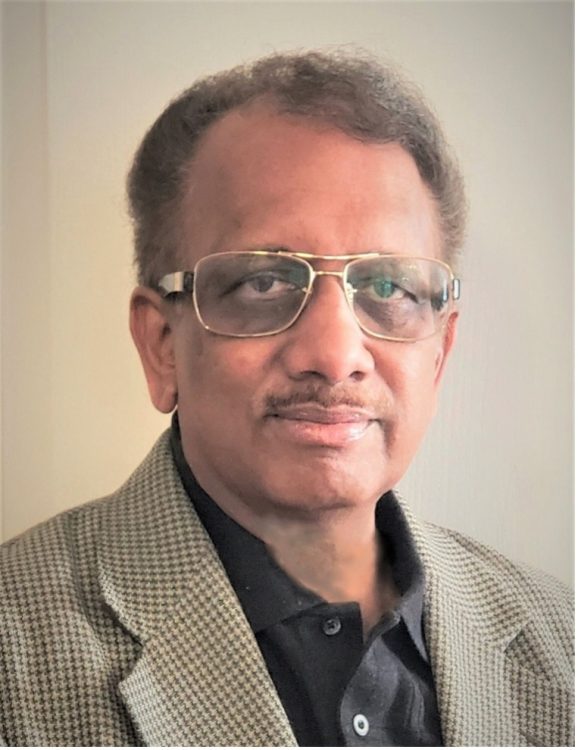
Prof. Bellamkonda K. Kishore, M.D., Ph.D., MBA is a distinguished physician-scientist, innovator, entrepreneur, author, and community leader whose multifaceted achievements have led colleagues and peers to often describe him as a “Renaissance Man.” His career reflects a rare blend of scientific excellence, translational vision, intellectual breadth, prolific writing, engaging speaking, social awareness and leadership with people skills, and commitment to mentorship and community service.
Over a career spanning more than four decades on four continents, Dr. Kishore has made outstanding contributions to kidney physiology, molecular medicine, and translational biopharma. Currently, he is an Adjunct Professor of Internal Medicine in the Division of Nephrology and Hypertension at the University of Utah Health, Salt Lake City, Utah. Previously, he served as the Principal Investigator at the US Department of Veterans Affairs Salt Lake City Health Care System for two decades, where he established and directed an internationally recognized research program and received accolades, including a press release and radio broadcast of his research accomplishments. His research has focused on the molecular regulation of kidney function in health and disease, particularly the role of purinergic signaling pathways, diet-induced obesity and metabolic syndrome. His work has advanced our understanding of these disorders, and it has helped identify novel therapeutic targets, which can benefit hundreds of millions of patients.
Dr. Kishore’s scholarly acumen is reflected in numerous peer-reviewed publications, book chapters, e-books, invited presentations across continents with significant global impact, and eight issued patents that underscore the translational significance of his discoveries. In recognition of his inventive contributions, he has been inducted as Senior Member of the National Academy of Inventors and as Fellow of prestigious scientific bodies, such as the Royal Society of Biology (FRSB), American Society of Nephrology (FASN), International Society of Nephrology (FISN), American Physiological Society (FAPS), and American Heart Association (FAHS). Dr. Kishore has been inducted as Honorary Distinguished Fellow of the Global Association of Physicians of Indian Origin (GAPIO) and received citations in Marquis Who’sWho in Medicine and Healthcare and European Biographical Directory.
Extending his scientific discoveries toward clinical application, Dr. Kishore is the Co-Founder and Chief Executive Officer of ePurines, a biopharma venture focused on developing innovative therapeutics based on purinergic signaling for obesity and metabolic syndrome and diseases of the kidney, liver, heart and lungs. His leadership exemplifies the successful integration of academic science with biopharma entrepreneurship.
In addition to research and innovation, Dr. Kishore has contributed to scholarly leadership through editorial services in scientific journals and through mentorship of students and early-career investigators. He is the Founding Editor-in-Chief of the Journal of the American Association of Physicians of Indian Origin (JAAPI) a peer-reviewed medical and healthcare journal. Dr. Kishore received Outstanding Editor Award from Frontiers in Renal Physiology and Pathophysiology, a Switzerland-based journal.
Dr. Kishore is an accomplished author with three published books as solo author in Amazon under Living with a Purpose Series. In addition, he coauthored two other books. Dr. Kishore also composes poetry in English and Telugu his native language. Using some of his compositions, he generated songs on AI platforms.
Beyond academia and entrepreneurship, Dr. Kishore has actively supported community initiatives, educational programs, and charitable organizations, reflecting a deep commitment to societal well-being. He is known for his full dedication to the organizations he serves and received several awards from those organizations. Dr. Kishore has been appointed as the Vice President of the USA Chapter of the NRI Welfare Society of India, New Delhi, which conferred Nelson Mandela and Mahatma Gandhi Leadership Awards, Hind Rattan (Jewel of India) and Pravasi Rattan Awards and Indian Overseas Prize for his outstanding professional achievements and community service, thus bringing good name to his motherland, India.
In summary, Dr. Bellamkonda K. Kishore of Utah exemplifies a unique blend of scientific excellence, scholarship, innovation and creativity, entrepreneurship, writing and speaking skills, and philanthropy. Whether it is his ground-breaking work in nephrology, invention-driven ventures, editorial leadership, writing, or community activism, Dr. Kishore truly personifies the phrase Modern Renaissance Scholar. Please visit his website: https://www.bkkishore.online/
Dr. Kishore believes that a passionate and purpose-oriented life is far superior to an ambitious success-driven life. The former can take us to far regions where the latter cannot even peep.