







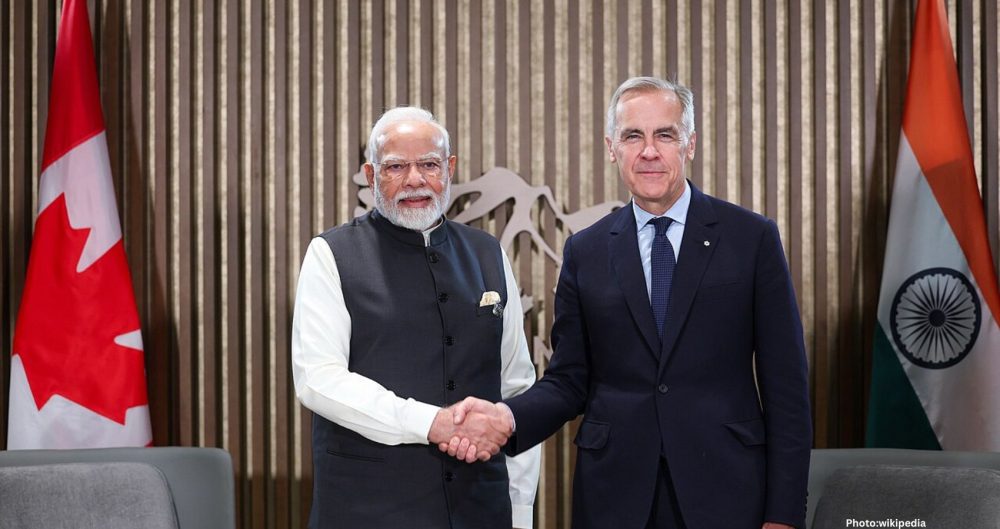
The official visit of Canadian Prime Minister Mark Carney to India this week represents a pivotal shift in bilateral relations, signaling a comprehensive reset between two major middle powers seeking stability in an increasingly volatile global landscape.
The diplomatic engagement comes at a critical juncture as both nations move to move past a period of significant tension and refocus on shared economic and strategic interests. Central to this renewed partnership is a landmark energy agreement that underscores the pragmatic shift in the relationship. India and Canada are expected to finalize a deal valued at approximately 2.8 billion dollars for the supply of uranium to India over the next decade. For New Delhi, which has embarked on an ambitious trajectory to massively expand its civilian nuclear energy capacity, Canadian uranium is viewed as a strategic necessity. This long-term commitment to energy cooperation provides a sturdy foundation for the broader diplomatic re-engagement currently underway.
Beyond the energy sector, the visit is set to provide the official reboot for the Comprehensive Economic Partnership Agreement negotiations. These trade talks had previously been stalled, but the current geopolitical climate has infused them with a new sense of urgency. The agreement carries the ambitious goal of doubling bilateral trade between the two nations to 60 billion dollars by the year 2030. Achieving this target would represent a significant deepening of economic integration, moving the relationship from one defined by isolated sectors to a broad-based economic alliance.
The backdrop for this sudden acceleration in ties is a world roiled by disruptions and disorder, particularly those set in motion by the administration of United States President Donald Trump. In an era where traditional alliances are being tested and global trade norms are under revision, countries like India and Canada are increasingly looking to hedge their bets. By seeking out new partners and strengthening existing ones, these nations are attempting to insulate themselves from the volatility of superpower competition. India has already demonstrated this strategy through its recent trade and defense agreements with the European Union, completed in a record time of just one year. Similar outreach to Germany, France, and Brazil highlights New Delhi’s proactive stance in building a multi-aligned foreign policy.
The partnership with Canada is the latest piece in this complex geopolitical puzzle. Prime Minister Carney’s visit is expected to place the bilateral relationship on a more stable footing, effectively ending a period of deep estrangement. Relations had touched a nadir in 2023 following allegations from Ottawa regarding the involvement of the Indian government in the murder of a Canadian national. The subsequent diplomatic freeze saw the expulsion of diplomats and the suspension of trade missions. However, the current visit suggests that both governments have calculated that the cost of continued animosity outweighs the benefits of cooperation in a shifting global order.
The geopolitical logic for this reset was clearly articulated by Prime Minister Carney during a high-profile appearance at the World Economic Forum in Davos earlier this year. Speaking to a global audience in the Swiss resort, Carney delivered a blunt warning that middle powers must act together to maintain their influence and protect their interests. He argued that if these nations are not at the table shaping the global agenda, they will effectively be on the menu of the larger superpowers. This pragmatic philosophy has been flagged as a definitive end to Canada’s previous era of diplomatic passivity, marking a move toward a more assertive and interest-based foreign policy.
For India, the outreach from Canada aligns with its own aspirations to lead the Global South and act as a bridge between different geopolitical blocs. By securing its energy future through the uranium deal and opening up new avenues for its technology and service sectors through the trade agreement, India is strengthening its hand on the global stage. The synergy between Canadian resources and Indian market scale provides a compelling economic rationale that complements the strategic need for diversification.
As the two leaders meet, the focus will remain on the implementation of these high-value agreements. The uranium deal, in particular, is a testament to the trust being rebuilt between the two nuclear-capable nations. It ensures a steady fuel supply for India’s growing fleet of pressurized heavy water reactors, many of which are based on Canadian technology. This circularity in the nuclear relationship serves as a reminder of the long-standing, though occasionally fractured, history of cooperation between the two Commonwealth nations.
Furthermore, the economic talks will likely address key areas such as professional migration, digital services, and agricultural exports. Canada’s significant Indian diaspora remains a vital human bridge, and both governments are eager to ensure that political disagreements do not permanently disrupt the flow of people and ideas. The reset is not merely about trade figures and energy contracts; it is about restoring a level of predictability to a relationship that is vital for the stability of the Indo-Pacific region.
The timing of this visit is also significant within the context of the broader G20 and multilateral frameworks. As both nations navigate the challenges of climate change, food security, and the digital divide, a coordinated approach can amplify their voices in international forums. The Carney visit signals that despite past grievances, the structural realities of the 21st century demand a functional and productive partnership. This diplomatic pivot reflects a broader global trend where national interests are being prioritized over ideological or historical disputes.
As the negotiations for the Comprehensive Economic Partnership Agreement resume, observers will be watching closely for signs of flexibility on sensitive issues. Both New Delhi and Ottawa appear committed to a timeline that reflects the urgency of the current global situation. The goal of 60 billion dollars in trade by 2030 is within reach if the momentum generated by this visit is sustained. The uranium supply agreement acts as the immediate catalyst, but the long-term success of the reset will depend on the ability of both nations to maintain a consistent dialogue and manage potential points of friction with greater diplomatic maturity.
In conclusion, the visit by Prime Minister Mark Carney marks the beginning of a new chapter in India-Canada relations. It is a chapter characterized by economic realism and a shared recognition of the importance of middle-power cooperation. In a world where the only constant is change, the strengthening of ties between these two democracies offers a rare example of diplomatic resilience and strategic foresight. The transition from the tensions of 2023 to the ambitious cooperation of 2026 suggests that both India and Canada are ready to take their seat at the global table together.