








The Padma Awards 2026, announced on the eve of India’s Republic Day, reveal a clear regional tilt toward South India, with Kerala and Tamil Nadu emerging as major beneficiaries of the country’s most prestigious civilian honours.
Out of 131 total Padma awards conferred this year, South Indian states collectively account for around 40 recipients, reinforcing the region’s growing prominence in national recognition. Kerala, in particular, has drawn attention by securing three of the five Padma Vibhushan awards — the second-highest civilian honour after the Bharat Ratna — marking a major rise in both quantity and prestige compared to last year.
Meanwhile, West Bengal’s tally has increased, and Maharashtra continues to lead nationally in total awards, highlighting shifting geographic patterns in how honours are distributed across India.
Kerala’s Big Moment: 3 Padma Vibhushan Awards
Kerala received eight Padma awards in total, up from five in 2025, but its standout achievement lies in its high-level recognition — claiming three of the five Padma Vibhushan honours nationwide.
The three recipients from Kerala include:
Justice K. T. Thomas
A former Supreme Court judge, Justice Thomas was honoured for his contributions to judicial policy, legal reforms, and governance.
The government cited his role in “strengthening legal institutions, shaping judicial policy, and leading key reform initiatives.”
P. Narayanan
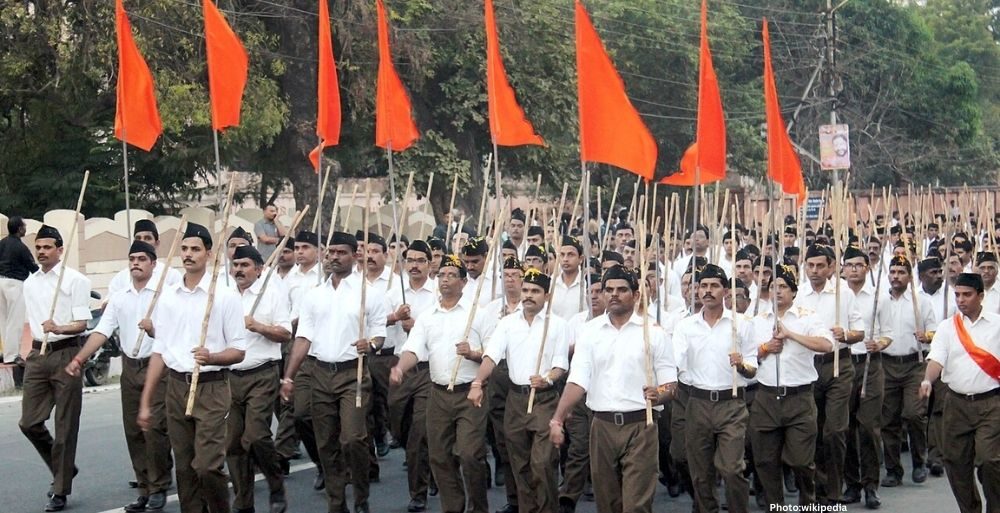
A senior Rashtriya Swayamsevak Sangh (RSS) leader and respected Malayalam intellectual, Narayanan was recognized under the Literature and Education category.
The official citation described him as an “eminent Malayalam journalist dedicated to social reform and national reconstruction, who has translated over 40 books into Malayalam.”
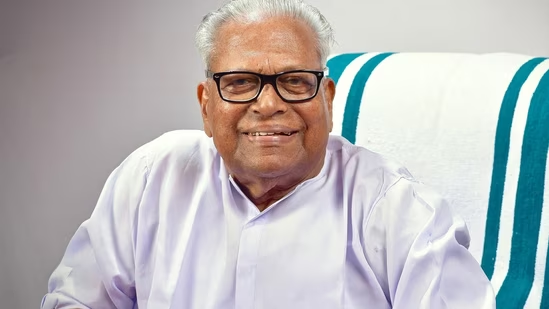
Late V. S. Achuthanandan
The award was also conferred posthumously on former Kerala Chief Minister and veteran Communist leader V. S. Achuthanandan, recognizing his decades-long contribution to public life and governance.
Born in Punnapra, Alappuzha district, in 1923, Achuthanandan served as Kerala’s Chief Minister from 2006 to 2011, leaving a lasting political legacy.
Observers note that his inclusion highlights “a recognition of enduring political and social influence beyond ideological lines.”
Maharashtra Leads in Total Awards
Despite Kerala’s dominance in the top honour category, Maharashtra topped the national chart with 15 Padma awardees, making it the most represented state in 2026.
Its recipients include:
- 1 Padma Vibhushan — Actor Dharmendra Singh Deol
- 3 Padma Bhushan — Singer Alka Yagnik, advertising icon Piyush Pandey, and banker Uday Kotak
- 11 Padma Shri awardees
Maharashtra had received 14 awards in 2025, indicating a slight upward trend — particularly in higher-level recognitions.
Tamil Nadu Holds Strong with 13 Awards
Tamil Nadu ranked second nationally with 13 Padma awards, maintaining its 2025 tally and demonstrating continued cultural, scientific, and social influence.
Most of the awards were in the Padma Shri category (11 recipients), with two Padma Bhushan honours, including:
- Dr. Kallipatti Ramasamy Palaniswamy, a leading gastroenterologist
- S. K. M. Maeilanandhan, a prominent industrialist
The state’s sustained presence reflects its strong footprint in healthcare, industry, arts, and public service.
Uttar Pradesh and West Bengal Tie at 11 Awards Each
Both Uttar Pradesh and West Bengal received 11 Padma awards.
Uttar Pradesh
- 1 Padma Vibhushan — Violin maestro N. Rajam
- 10 Padma Shri awards
West Bengal
- All 11 awards fall under the Padma Shri category
- The state’s tally rose from 8 awards in 2025 to 11 in 2026
Analysts note that West Bengal’s increased representation signals a growing national acknowledgment of cultural, academic, and social contributions from the state.
Regional Trends: South India Expands Its Lead
A broader regional analysis reveals shifting dynamics:
South India
(Including Tamil Nadu, Kerala, Karnataka, Telangana, Andhra Pradesh, and Puducherry)
- 2025: 36 awards
- 2026: ~40 awards
This marks a net increase of five awards, strengthening the South’s position as a dominant contributor across arts, science, governance, and social service.
Other southern states:
- Telangana — 7 awards (all Padma Shri)
- Karnataka — 8 awards, including 1 Padma Bhushan for author Shatavadhani R. Ganesh
West India Sees a Slight Dip
West India (primarily Maharashtra and Gujarat) saw its collective awards drop slightly:
- 2025: 23 awards
- 2026: 20 awards
However, Maharashtra compensated by gaining more high-ranking honours, including four Padma Bhushan awards, compared to three last year.
North, East and Northeast See Marginal Decline
North India
(Including Uttar Pradesh, Delhi, Punjab, Haryana, Rajasthan, Chandigarh, and others)
- 2025: 33 awards
- 2026: 27 awards
East and Northeast
- 2025: 34 awards
- 2026: 30 awards
Despite the overall decline, West Bengal’s individual count rose, while Assam saw a slight drop from six awards in 2025 to four in 2026.
Elections and Political Undercurrents
The Padma distribution comes at a politically sensitive time, with high-stakes elections approaching in:
- Kerala
- Tamil Nadu
- West Bengal
- Assam
While the awards are officially non-political, analysts suggest the regional pattern could carry symbolic significance, especially as the ruling party at the Centre seeks to strengthen its footprint in states where it has historically struggled.
“Recognition at the national level often resonates beyond individual achievement — it can shape cultural and political narratives,” said a senior political observer.
Posthumous Honours and Broader Recognition
Out of the 131 awardees, 16 individuals were honoured posthumously, underlining the government’s emphasis on recognizing long-standing contributions across generations.
The awards span a wide range of fields, including:
- Public affairs
- Arts and culture
- Science and medicine
- Education
- Social work
- Industry and trade
A Broader Message from the 2026 Padma List
The Padma Awards 2026 highlight a clear rise in South India’s national recognition, particularly Kerala’s elevation in honour level rather than sheer volume.
At the same time, the steady rise in West Bengal’s representation, Maharashtra’s numerical leadership, and shifts across regions reflect changing cultural, intellectual, and political currents in India’s evolving national identity.
“This year’s Padma list reflects not only individual excellence, but also broader regional trends in culture, governance, and public life,” a policy analyst observed.
As India continues to balance regional diversity with national honour, the 2026 Padma Awards offer a revealing snapshot of where the country’s recognition and influence are increasingly concentrated.