








Recent revisions in India’s GDP projections indicate a delayed timeline for the nation to surpass Japan as the world’s third-largest economy. However, with a robust growth rate exceeding 7% and a burgeoning young population, India’s economic ascent remains a question of when, not if.
In the ever-evolving landscape of global economics, the race for economic supremacy is as much about perception as it is about numbers. India, with its vast potential, has long been seen as the next major player to watch. Recent revisions in its GDP projections, however, suggest that the timeline for overtaking Japan as the world’s third-largest economy might be longer than initially anticipated. This revelation, while perhaps disheartening to some, does not detract from the overarching narrative of India’s inevitable rise.
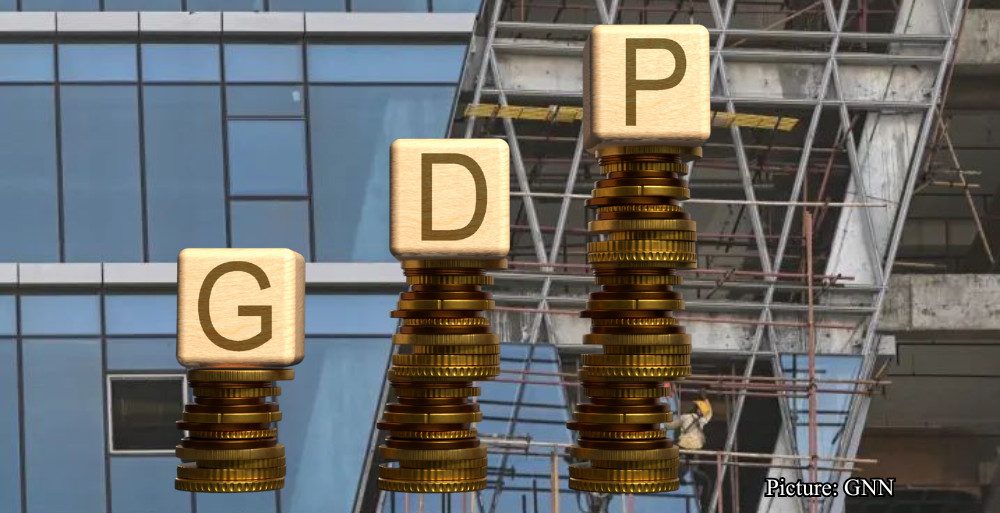
To understand the implications of these revisions, it is essential to delve into the mechanics of GDP calculations and the factors influencing these adjustments. GDP, or Gross Domestic Product, is a measure of a country’s economic output and is often used as a benchmark for economic health and size. Revisions in GDP figures can occur due to a variety of reasons, including changes in data collection methods, updates in statistical models, or shifts in economic activities that were previously underestimated.
In India’s case, the revisions are reflective of a more nuanced understanding of its economic landscape. The country’s economy, which has been growing at a commendable rate of over 7%, is driven by a combination of factors. A significant contributor is its demographic dividend—a youthful population that promises to fuel consumption and innovation for decades to come. With a median age of just 28 years, India’s workforce is not only large but also increasingly skilled, thanks to improvements in education and vocational training.
Moreover, India’s economic growth is underpinned by sectors such as information technology, pharmaceuticals, and manufacturing, which have shown resilience even amid global uncertainties. The IT sector, in particular, has been a beacon of growth, with Indian firms providing critical services to global giants. This sector alone contributes significantly to the GDP and employs millions, directly and indirectly.
Despite these strengths, the path to surpassing Japan is fraught with challenges. Japan, with its advanced technological infrastructure and deep-rooted industrial base, remains a formidable economic power. Its GDP, although growing at a slower pace than India’s, is still significantly larger. For India to close this gap, it must address several structural issues that have historically impeded its growth.
Infrastructure development is one such area where India needs to make substantial progress. While there have been notable improvements in recent years, particularly in road and rail connectivity, the country still lags behind in terms of logistics efficiency and urban infrastructure. These shortcomings can stifle economic activities, increase costs, and deter foreign investments.
Another critical challenge is the need for regulatory reforms. India’s complex bureaucratic processes and regulatory hurdles have often been cited as barriers to business. Simplifying these processes, ensuring policy stability, and fostering a more business-friendly environment are crucial for attracting both domestic and foreign investments, which are essential for sustained economic growth.
Furthermore, India must also navigate the complexities of global trade dynamics. As the world grapples with protectionist policies and geopolitical tensions, India needs to strategically position itself to benefit from shifting trade patterns. Strengthening trade relations with key partners, diversifying export markets, and enhancing the competitiveness of its goods and services are vital steps in this direction.
In the broader context of global economics, India’s journey is emblematic of the shifting centers of economic power. Historically, economic dominance has moved from the West to the East, and India is poised to be a central player in this new paradigm. Its large domestic market, coupled with a growing middle class, presents immense opportunities for growth and innovation.
While the revised GDP projections might suggest a longer timeline to surpass Japan, they also highlight the importance of sustainable and inclusive growth. For India, the focus should not solely be on the size of its economy but also on the quality of its growth. Addressing income inequality, ensuring environmental sustainability, and enhancing social welfare are as critical as achieving economic milestones.
In conclusion, India’s economic trajectory, while delayed in terms of overtaking Japan, remains firmly upward. The country’s growth story is one of potential and promise, driven by a young population, dynamic sectors, and a strategic position in the global economy. As India continues to address its challenges and capitalize on its strengths, its rise on the global economic stage seems not just probable, but inevitable. The world watches with bated breath as India charts its course towards economic prominence, aware that the journey, although longer than expected, is as significant as the destination itself.