







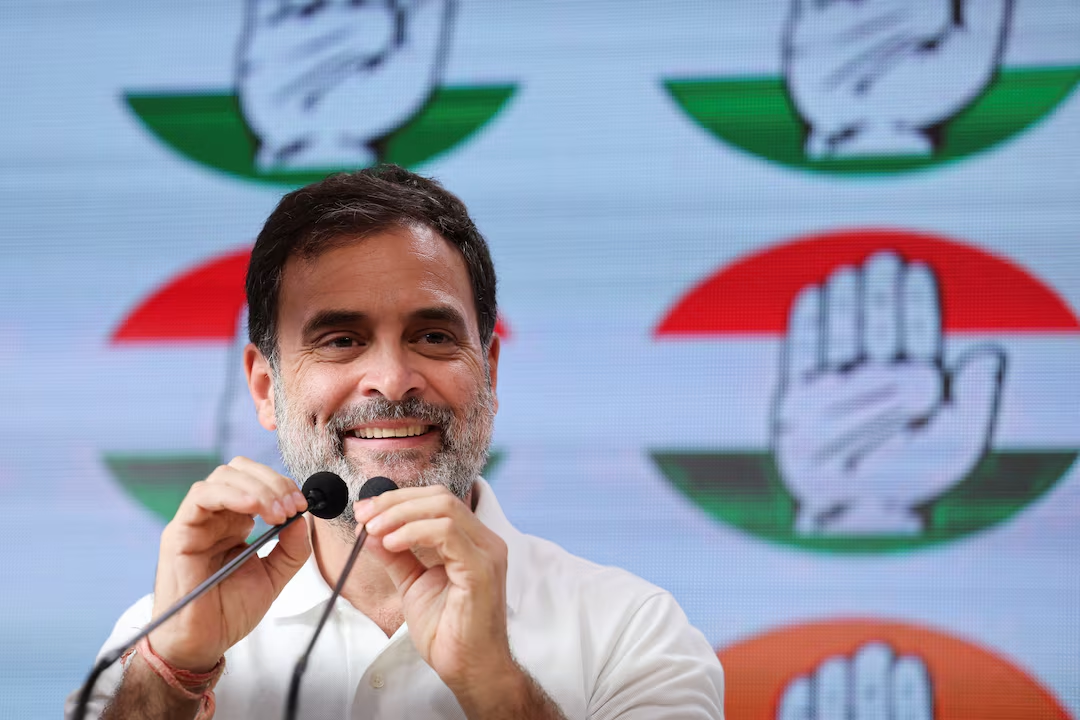
In an age when international diplomacy is increasingly shaped by optics, branding, and headline-ready symbolism, the way leaders engage abroad often says more than their speeches. The contrasting foreign engagements of Rahul Gandhi in Germany and Prime Minister Narendra Modi in Ethiopia offer a revealing window into two fundamentally different visions of India’s place in the world — and, more importantly, two opposing ideas of legitimacy, power, and democracy.
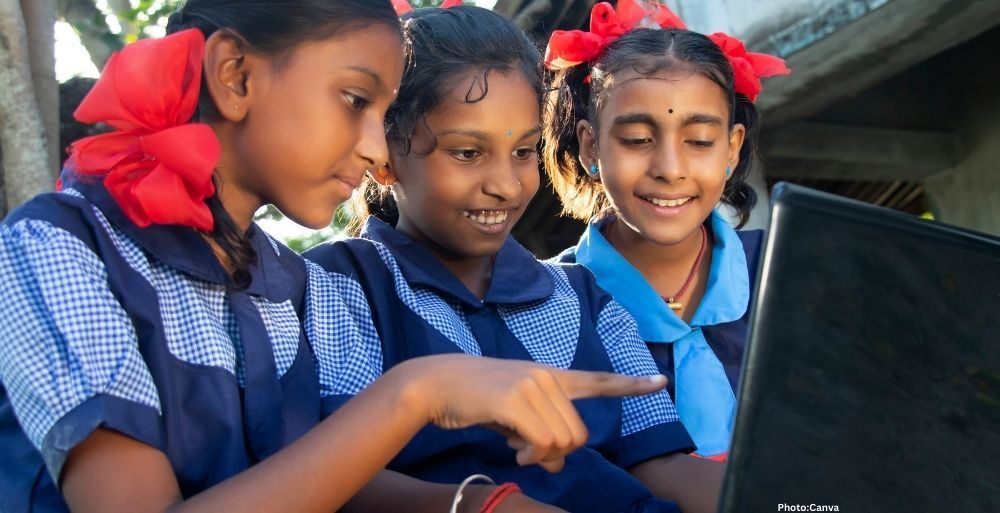
Rahul Gandhi’s recent visit to Germany was not framed as a state occasion. There were no red carpets, military salutes, or tightly controlled photo-ops. Instead, the visit was undertaken at the invitation of 117 civil society organisations — a fact that is central to understanding its political meaning. Gandhi spent his time in classrooms, union halls, community centres, and dialogue forums, engaging with trade unionists, students, anti-racist activists, and members of the Indian diaspora.
“He wasn’t speaking to an audience; he was speaking with them,” said a German labour organiser who attended one of the discussions. “There were disagreements, uncomfortable questions, and genuine listening — which is rare in politics today.”
The conversations ranged from job insecurity and labour precarity in Europe to concerns about democratic backsliding, majoritarian politics, and shrinking spaces for dissent in India. Rather than sidestep criticism, Gandhi placed India’s democratic challenges squarely on the table, situating them within a broader global struggle against authoritarianism. It was a form of international engagement rooted not in image management, but in self-reflection.
From a political theory perspective, this is engagement with civil society as a living force — not as a decorative extension of state power. Legitimacy, in this model, flows from dialogue and accountability, not from spectacle. “Democracy survives through critique,” Gandhi reportedly told one gathering, underscoring the idea that openness to scrutiny is not a weakness but a democratic necessity.
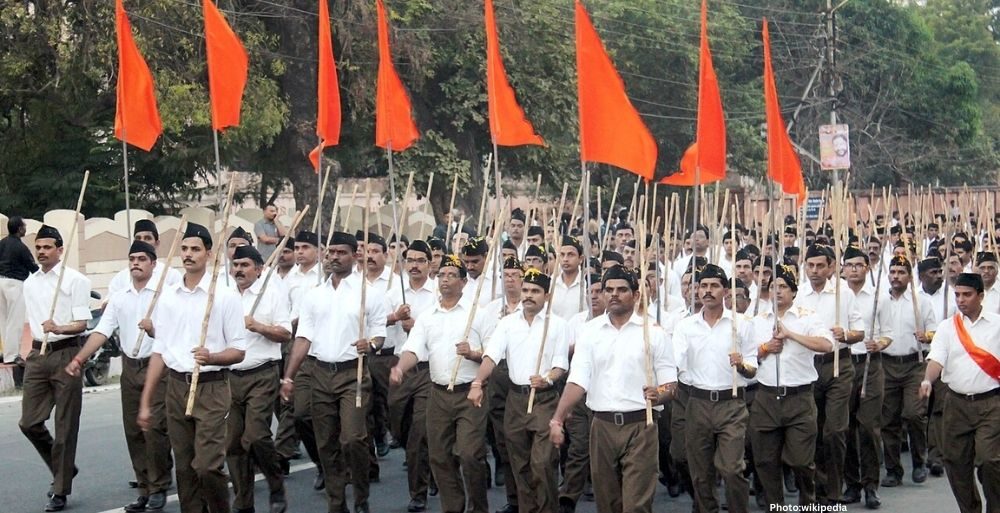
Prime Minister Modi’s foreign engagements, particularly in Africa, operate on a sharply different logic. His visit to Ethiopia followed a familiar template: carefully choreographed ceremonies, scripted rhetoric about “South–South cooperation,” and grand claims of India’s leadership of the Global South. Public interaction with local civil society was minimal, and dissent was entirely absent from the frame.
Ethiopia — a country grappling with internal conflict, humanitarian strain, and political repression — served less as a society to engage and more as a symbolic backdrop for India’s projection as a rising global power. Behind the scenes, the visit coincided with trade and investment discussions that critics say disproportionately benefit a narrow group of Indian conglomerates.
“Diplomacy is increasingly being used to de-risk private capital,” noted an Indian political economist. “What is sold as development partnership often ends up transferring economic risk onto already fragile societies.”
Across Africa, Indian corporate interests — particularly in ports, logistics, energy transmission, and infrastructure — have expanded in close alignment with state diplomacy. Ethiopia’s strategic location in the Horn of Africa makes it attractive for such investments, but transparency about long-term costs, debt burdens, and local benefits remains limited. The language of Global South solidarity, critics argue, risks becoming hollow when it masks extractive economic models.
The contrast with Germany is striking. Germany mattered in Gandhi’s visit not because of its geopolitical power, but because society — not the state — issued the invitation. It reflected a different internationalism, one grounded in dialogue rather than dominance, and in solidarity among peoples rather than proximity to power.
Political theorist Antonio Gramsci warned that domination is sustained not just through coercion, but through hegemony — the normalization of elite worldviews as common sense. Modi’s foreign tours, critics say, attempt to manufacture such hegemony through awards, optics, and claims of global admiration. But spectacle produces fragile legitimacy, dependent on constant performance.
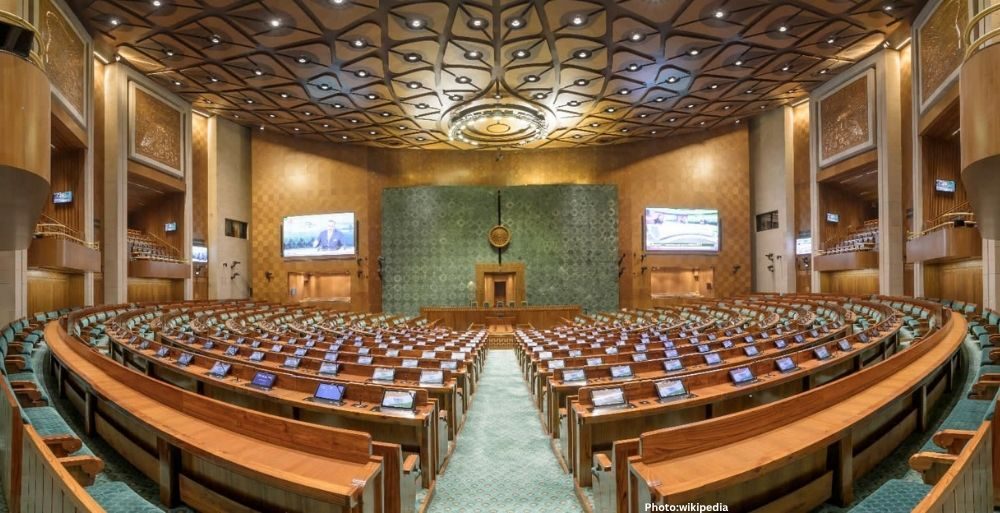
Civil society engagement, by contrast, operates in the realm of counter-hegemony. Trade unions, student movements, and human rights groups ask questions that states and corporations often prefer to avoid — about inequality, state violence, and the moral cost of growth. Gandhi’s presence in these spaces signals an understanding that democracy does not reside only in palaces and parliaments, but in classrooms, streets, and collective struggle.
As one Indian academic in Berlin put it, “The real question is not where our leaders travel, but who they choose to listen to.”
At a moment when democracy is under pressure worldwide, these differences carry real weight. Foreign policy is never neutral; it mirrors domestic political values. Rahul Gandhi’s Germany visit points toward an India rooted in dialogue, accountability, and ethical internationalism. Narendra Modi’s Ethiopia visit reflects an alternative imagination — one that prioritizes spectacle, state power, and corporate alignment.
In the end, the question confronting India is simple but profound: does it seek admiration for its power, or respect for its principles? The answer lies not in grand ceremonies, but in whose voices are heard — and whose interests are ultimately served.