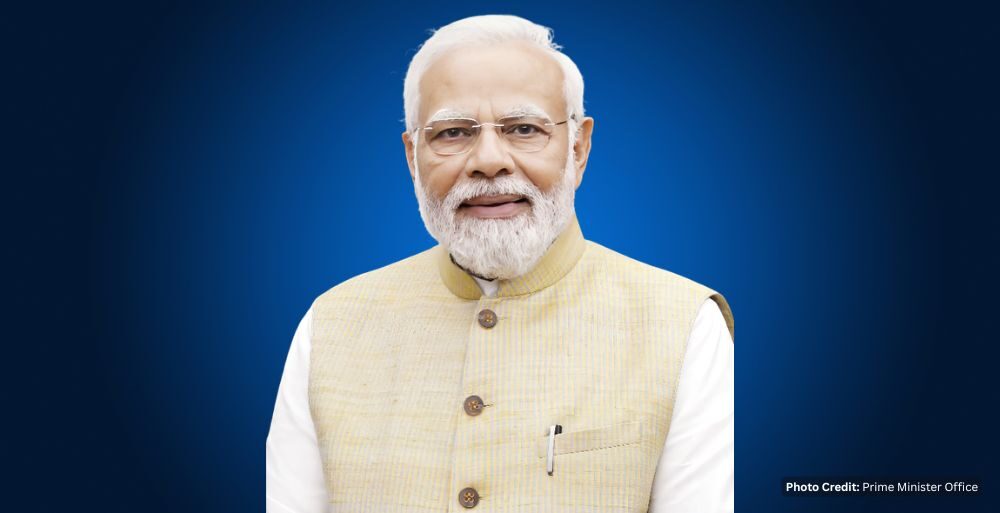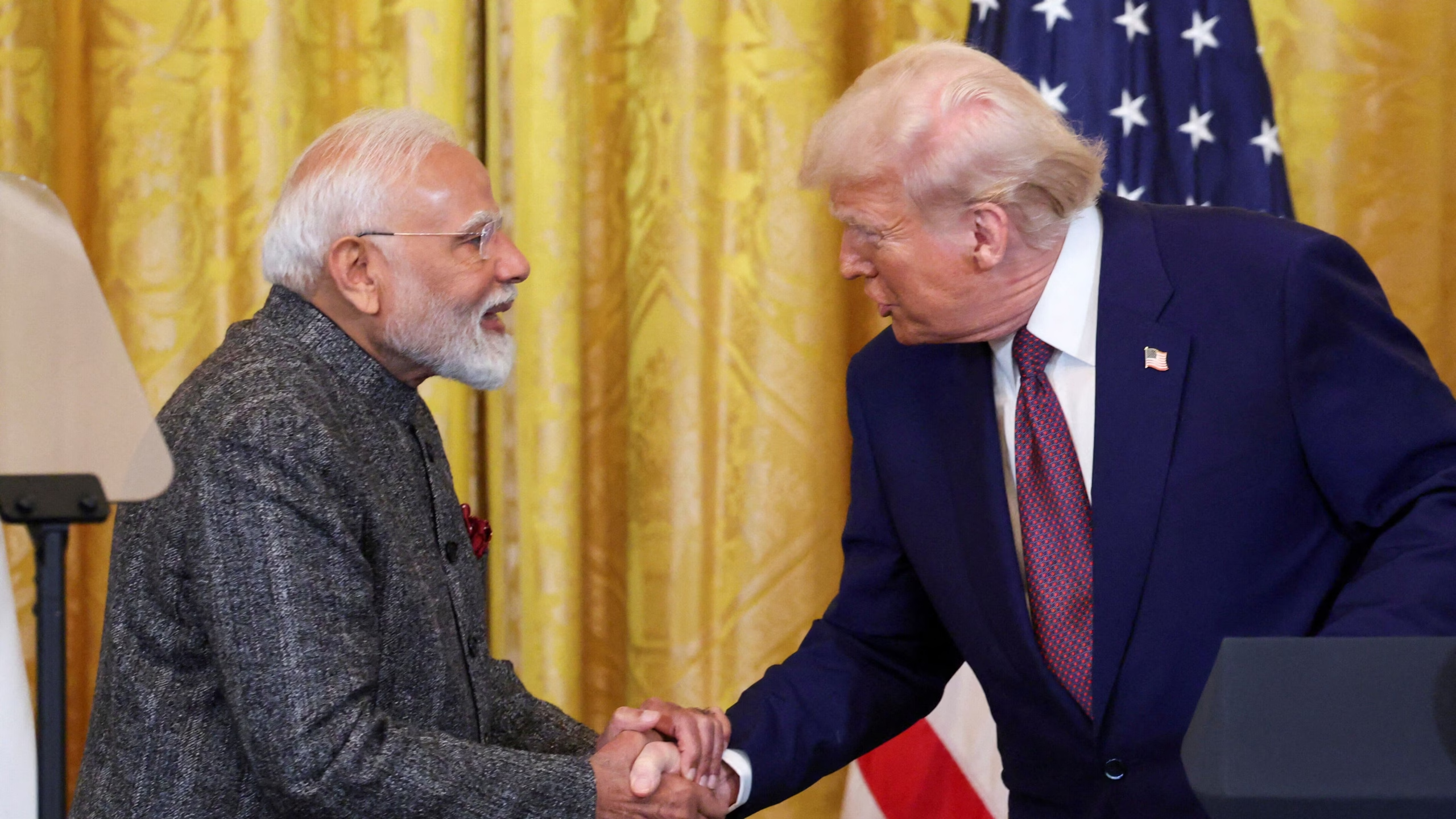







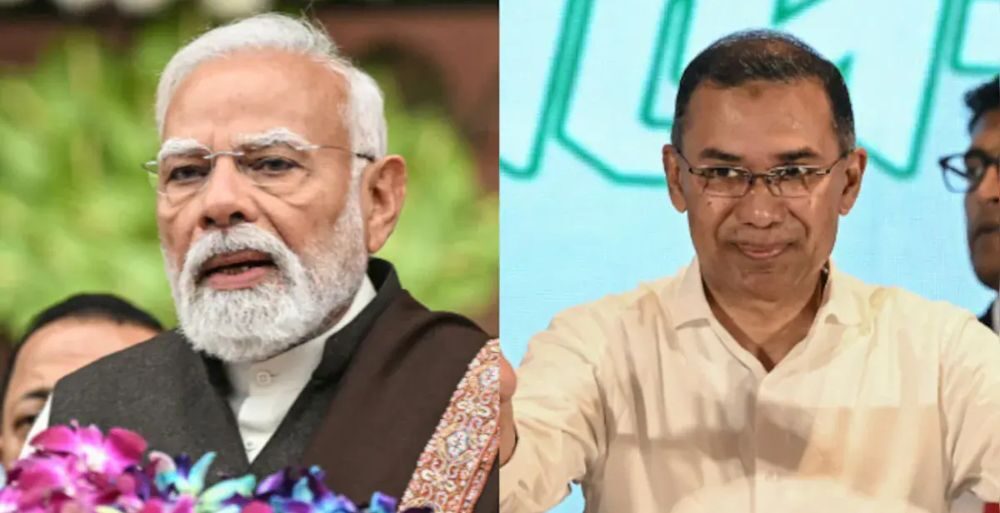
In a move that could signal a pivotal moment in South Asian politics, Indian Prime Minister Narendra Modi has received an invitation to attend the swearing-in ceremony of Tarique Rahman, the newly elected leader of Bangladesh. This invitation comes amidst a backdrop of intricate political dynamics and historical complexities that define the relationship between the two neighboring countries.
Tarique Rahman, a prominent figure in Bangladeshi politics, is the son of former Prime Minister Khaleda Zia and has been a significant player within the Bangladesh Nationalist Party (BNP). His rise to power marks a potential shift in the political landscape of Bangladesh, which has been largely dominated by the Awami League under Sheikh Hasina for over a decade. Rahman’s swearing-in could herald a new chapter in Bangladesh’s domestic and foreign policies, especially concerning its relationship with India.
India and Bangladesh share a long history of cultural, economic, and political ties, which have been both cooperative and contentious at times. The geographical proximity and shared history of the two nations have fostered a complex relationship, often influenced by domestic political narratives and regional geopolitics. India has traditionally maintained a strategic interest in Bangladesh, given its importance in regional stability and as a partner in economic development and counter-terrorism efforts.
Prime Minister Modi’s potential attendance at the ceremony would not only be a gesture of goodwill but also a strategic move to reaffirm India’s commitment to maintaining strong bilateral relations with Bangladesh. However, due to prior commitments in Mumbai and Delhi, it is likely that Modi may opt to send a high-level representative to the event. This decision, while practical, will be closely scrutinized by political analysts and could be interpreted in various ways depending on the ensuing diplomatic engagements.
The political climate in Bangladesh is currently at a crossroads. Tarique Rahman’s leadership comes with its own set of challenges and expectations. His tenure is anticipated to address critical issues such as economic development, political reform, and strengthening democratic institutions. Furthermore, Rahman’s approach towards India, especially in terms of trade and border security, will be keenly observed.
Historically, the BNP has had a complex relationship with India, often characterized by a nationalist rhetoric that sometimes veers towards skepticism of Indian intentions. However, the geopolitical realities of South Asia necessitate a pragmatic approach. Economic cooperation, particularly in areas such as energy, infrastructure, and technology, could serve as a cornerstone for improved relations.
The invitation to Modi can also be seen as a diplomatic overture, signaling Rahman’s intent to foster a more collaborative relationship with India. This is crucial as Bangladesh navigates its role within the South Asian Association for Regional Cooperation (SAARC) and other international platforms.
In the broader context of regional politics, Bangladesh’s political stability is vital for South Asia. The region faces numerous challenges, including climate change, migration, and security threats. Collaborative efforts, particularly between India and Bangladesh, could lead to more effective solutions to these shared challenges.
As the date for the swearing-in ceremony approaches, all eyes will be on the diplomatic signals emanating from both New Delhi and Dhaka. The outcome of this event could set the tone for future interactions and shape the trajectory of India-Bangladesh relations for years to come. For now, the invitation stands as a testament to the intricate dance of diplomacy and the ever-evolving narrative of South Asian geopolitics.