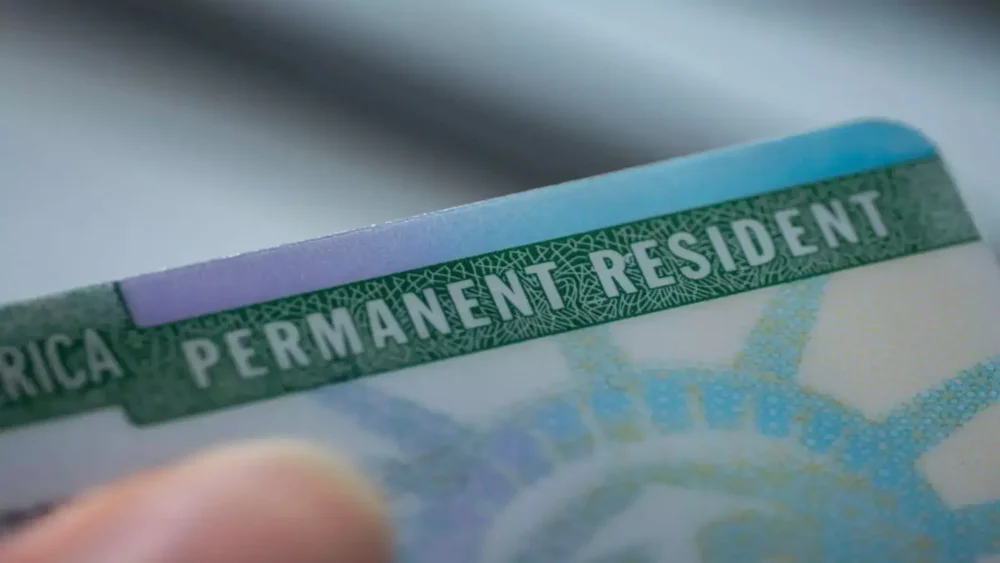









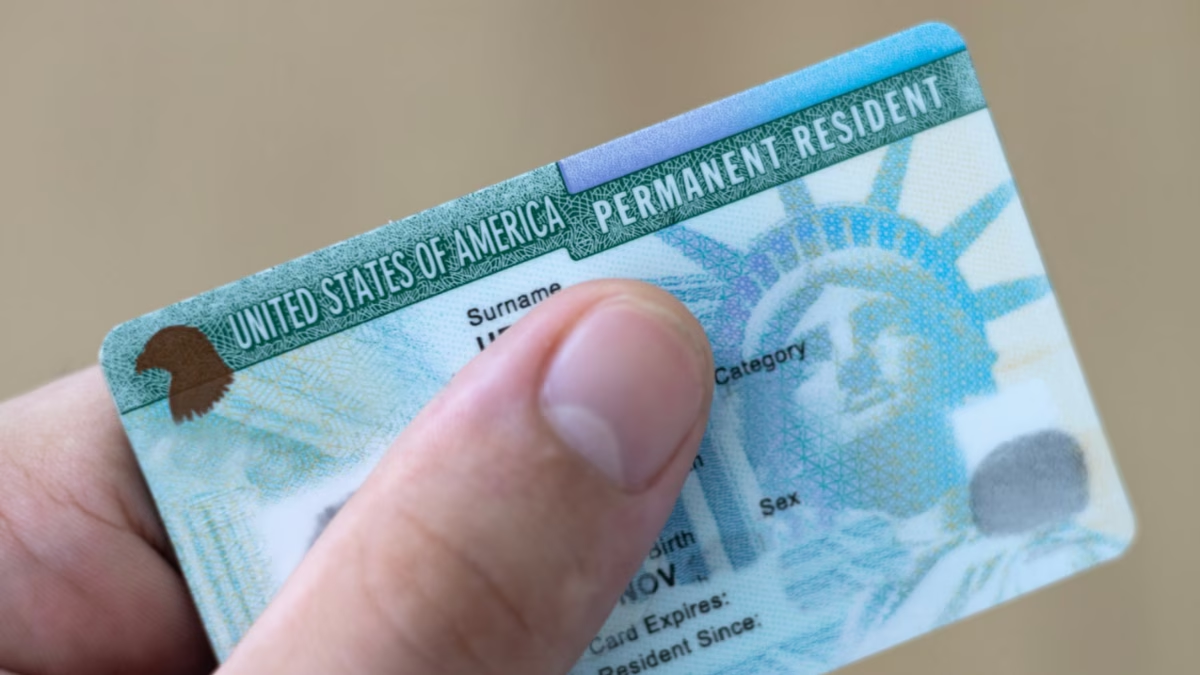
The United States is expected to reduce the number of green cards issued by up to 2.4 million over the coming years, marking one of the most significant shifts in legal immigration policy in recent history. The projected decline is linked to policy changes under President Donald Trump’s second term, raising concerns about the future of skilled immigration, workforce diversity, and long-term career prospects for foreign professionals.
Green cards grant lawful permanent residency in the United States, allowing immigrants to live and work indefinitely while contributing to the economy. A reduction of this magnitude could have far-reaching consequences for industries reliant on global talent, international students aspiring to settle in the U.S., and employers seeking high-skilled workers.
Why Green Card Numbers Are Expected to Fall
Policy analysts indicate that the expected reduction stems from a combination of factors, including tighter immigration enforcement, processing slowdowns, and policy priorities aimed at reducing permanent legal migration.
Changes to immigration frameworks could slow the transition from temporary visas — such as H-1B work visas — to permanent residency. This creates uncertainty for professionals who rely on green cards for long-term job stability and family settlement in the United States.
An immigration policy expert explained, “Reducing green card approvals at this scale could reshape the long-term composition of the U.S. workforce and make permanent residency significantly harder to obtain.”
Impact on Jobs and Workforce Growth
Industries that depend heavily on immigrant talent — including technology, healthcare, engineering, academia, and scientific research — may feel the effects most acutely.
Many U.S. employers rely on skilled foreign workers to fill talent gaps, especially in sectors where domestic supply falls short. With fewer green cards available, companies could face longer hiring cycles, increased reliance on temporary visas, and challenges retaining top global talent.
A business leader in the technology sector warned, “Innovation thrives on diversity and access to global expertise. Restricting permanent immigration risks weakening the U.S. competitive edge.”
Consequences for International Students and Skilled Professionals
The projected reduction is expected to particularly affect international students, early-career professionals, and skilled workers who view the green card pathway as a foundation for long-term career planning in the United States.
Many graduates from American universities transition from student visas to work visas and ultimately aim for permanent residency. If green card numbers decline, students may reconsider studying in the U.S. or seek long-term opportunities in other countries with more predictable immigration systems.
For professionals already in the U.S. on temporary visas, fewer green cards could mean longer wait times, job insecurity, and delays in family reunification.
An international worker shared, “Permanent residency offers stability — without it, career planning becomes uncertain and emotionally stressful.”
Economic and Innovation Implications
Economists caution that cutting legal immigration could slow economic growth, reduce innovation, and weaken the country’s ability to attract top global talent.
Immigrants have historically played a major role in entrepreneurship, research, healthcare delivery, and technology development in the U.S. Limiting green card access could lead to brain drain, pushing skilled professionals toward countries offering clearer and faster residency pathways.
A labour market analyst noted, “The global competition for talent is intensifying. If the U.S. becomes less welcoming, other nations will benefit.”
Impact on Families and Communities
Beyond jobs and careers, green card reductions could affect family reunification, long-term settlement plans, and community stability. Permanent residency allows immigrants to sponsor family members, invest in property, and build roots in the U.S.
Fewer approvals could result in prolonged family separations, mental health strain, and reduced integration into local communities.
Advocacy groups have called for balanced immigration reform that protects border security while preserving America’s legacy as a destination for skilled immigrants and global opportunity.
Policy Debate and Political Reactions
Supporters of reducing green card numbers argue that it could prioritise domestic workers, tighten immigration oversight, and ensure economic opportunities for U.S. citizens. Critics counter that legal immigration strengthens the economy rather than weakens it, and warn that drastic cuts could have unintended long-term consequences.
A policy commentator observed, “The debate over green cards is not just about immigration — it’s about economic growth, global competitiveness, and America’s future workforce.”
What This Means Going Forward
If implemented as projected, the reduction of up to 2.4 million green cards could reshape the trajectory of skilled immigration, influence global student mobility, and redefine career planning for millions of aspiring professionals.
For individuals hoping to build careers in the United States, immigration experts advise staying informed, seeking legal guidance, and exploring alternative long-term pathways.
As immigration policies continue to evolve, the decision could become a defining factor in how the U.S. balances workforce needs, innovation, and its role in the global talent ecosystem.