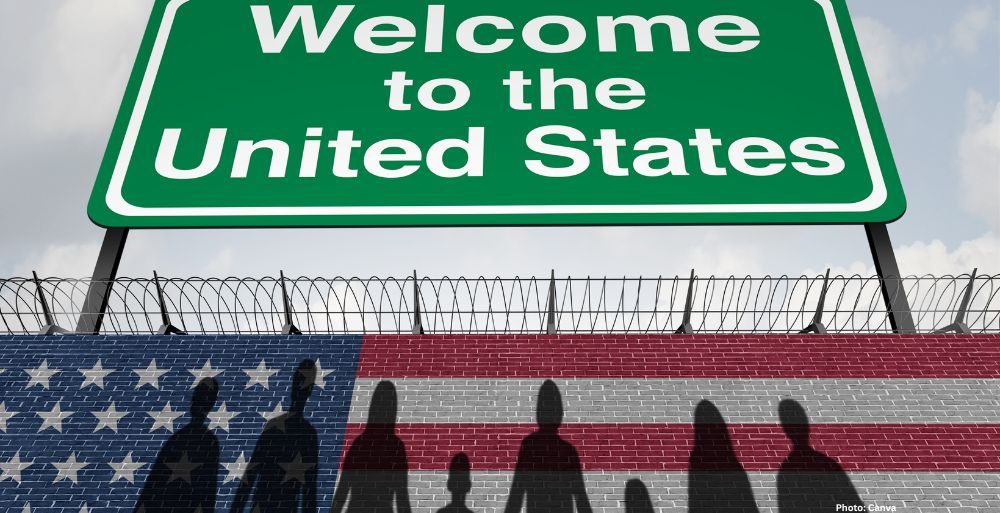










The United States has announced a sweeping suspension of immigrant visa processing for applicants from 75 countries, citing concerns related to public assistance usage and long-term dependency risks. The move, announced on Wednesday by U.S. authorities, marks one of the most extensive immigration policy actions in recent years and is expected to have wide-ranging implications for global migration flows, families, and workforce mobility.
According to officials, the decision is rooted in an expanded interpretation of existing immigration provisions that assess whether visa applicants are likely to become a “public charge” — a designation applied to individuals deemed at risk of relying on government-funded assistance after entering the United States.
“This step is intended to protect the integrity of the U.S. immigration system and ensure that incoming immigrants are financially self-sufficient,” a senior administration official said, adding that the suspension is a preventive measure rather than a permanent ban.
Countries Affected by the Suspension
The suspension impacts immigrant visa processing for applicants from a broad cross-section of regions, spanning Asia, Africa, Europe, the Middle East, Latin America, and the Caribbean.
The affected countries include:
Afghanistan, Albania, Algeria, Antigua and Barbuda, Armenia, Azerbaijan, Bahamas, Bangladesh, Barbados, Belarus, Belize, Bhutan, Bosnia, Brazil, Burma, Cambodia, Cameroon, Cape Verde, Colombia, Congo, Cuba, Dominica, Egypt, Eritrea, Ethiopia, Fiji, Gambia, Georgia, Ghana, Grenada, Guatemala, Guinea, Haiti, Iran, Iraq, Ivory Coast, Jamaica, Jordan, Kazakhstan, Kosovo, Kuwait, Kyrgyzstan, Laos, Lebanon, Liberia, Libya, Macedonia, Moldova, Mongolia, Montenegro, Morocco, Nepal, Nicaragua, Nigeria, Pakistan, Republic of the Congo, Russia, Rwanda, Saint Kitts and Nevis, Saint Lucia, Saint Vincent and the Grenadines, Senegal, Sierra Leone, Somalia, South Sudan, Sudan, Syria, Tanzania, Thailand, Togo, Tunisia, Uganda, Uruguay, Uzbekistan, and Yemen.
Officials clarified that the suspension applies specifically to immigrant visas, which are pathways to permanent residency, and does not automatically extend to all non-immigrant visa categories. However, the policy is expected to undergo further review as agencies assess its implementation.
Rationale Behind the Decision
U.S. authorities argue that the suspension is driven by data suggesting higher public assistance utilization rates among certain immigrant populations, particularly during periods of economic strain.
“Immigration policy must balance compassion with sustainability,” said a government spokesperson familiar with the decision. “The United States welcomes immigrants, but it also has a responsibility to ensure that public resources are preserved for citizens and legally admitted residents who meet eligibility requirements.”
The policy builds on longstanding immigration principles that require applicants to demonstrate financial independence or sufficient sponsorship before receiving permanent residency.
Global and Domestic Reactions
The announcement has triggered concern among immigrant advocacy groups, diaspora organizations, and international observers, who warn that the suspension could disproportionately affect vulnerable populations and disrupt family reunification.
“This decision risks separating families and delaying life-changing opportunities for thousands who have followed the rules,” said an immigration policy analyst based in Washington. “Public assistance usage is influenced by many structural factors, not a lack of willingness to contribute.”
Countries with large emigrant populations, including India’s neighboring South Asian states, parts of Africa, and the Middle East, are expected to feel the impact acutely. Immigration attorneys report a surge in inquiries from applicants uncertain about their pending cases.
Economic and Workforce Implications
Critics also point to potential economic consequences, particularly in sectors that rely on immigrant labor. Many immigrant visa holders contribute significantly to healthcare, education, technology, and service industries.
“Immigrants are not just beneficiaries — they are taxpayers, workers, and entrepreneurs,” said a labor economist. “A broad suspension may create unintended gaps in the workforce, especially as the U.S. economy continues to adjust post-pandemic.”
What Comes Next
Officials emphasized that the suspension is subject to ongoing evaluation and could be revised based on country-specific assessments, economic indicators, and diplomatic discussions.
Applicants from affected countries are advised to monitor official communications and consult legal counsel regarding their individual cases. Some immigration experts believe humanitarian exemptions and case-by-case reviews may still be possible.
As global migration pressures intensify, the policy underscores a broader shift toward stricter economic screening in immigration systems, raising fundamental questions about equity, opportunity, and the future of international mobility.