








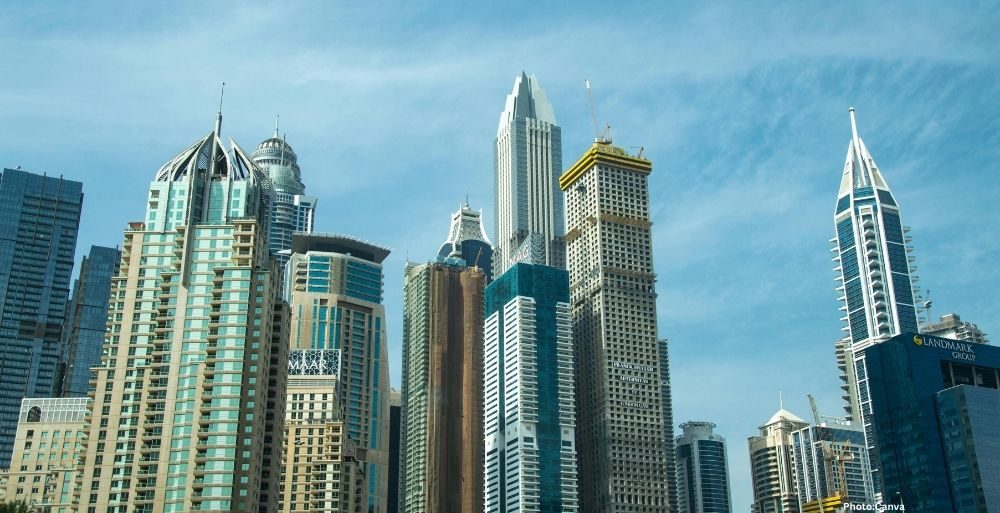
The architectural landscape of the world is continually evolving, and as of 2026, the race to the sky has reached unprecedented heights. From the iconic Burj Khalifa in Dubai to the towering China Zun in Beijing, the tallest skyscrapers not only define the skylines of their respective cities but also symbolize human ambition and engineering prowess. This article delves into the top 10 tallest buildings in the world, exploring their heights, number of floors, cities, and the years they were completed.
In the world of architecture, skyscrapers are the epitome of modern engineering and design. These towering structures are not just feats of construction; they are symbols of economic power and cultural identity. As of 2026, the list of the world’s tallest buildings is a testament to the relentless pursuit of height and innovation. Leading this list is the Burj Khalifa in Dubai, a marvel of engineering that has held the title of the world’s tallest building since its completion in 2010. Standing at a staggering height of 828 meters, the Burj Khalifa boasts 163 floors and remains a beacon of architectural excellence.
Following closely is the Shanghai Tower in China, which reaches 632 meters into the sky. Completed in 2015, this twisting tower features 128 floors and is renowned for its unique design and sustainable architecture. The Shanghai Tower is part of a trio of supertall buildings in the Lujiazui area of Shanghai, representing China’s rapid economic growth and urban development.
In the third position is the Abraj Al Bait Clock Tower in Mecca, Saudi Arabia. With a height of 601 meters and 120 floors, this building not only serves as a hotel but also houses a massive clock face visible from miles away. Completed in 2012, the Abraj Al Bait is part of a government-sponsored project to modernize the city and cater to the millions of pilgrims visiting Mecca each year.
The Ping An Finance Center in Shenzhen, China, is another testament to the country’s architectural ambitions. At 599 meters, this skyscraper, completed in 2017, consists of 115 floors and is a hub for commerce and finance in one of China’s most dynamic cities.
Fifth on the list is the Lotte World Tower in Seoul, South Korea. This elegant structure reaches 555 meters and includes 123 floors. Completed in 2016, the Lotte World Tower is a mixed-use building that includes retail spaces, offices, residences, and a luxury hotel, showcasing South Korea’s economic prowess and design innovation.
The sixth tallest building is One World Trade Center in New York City, USA. Standing at 541 meters with 104 floors, this iconic building was completed in 2014 and serves as a poignant symbol of resilience and renewal following the events of September 11, 2001. It is a cornerstone of the new World Trade Center complex and a key component of the revitalization of Lower Manhattan.
In seventh place is the Guangzhou CTF Finance Centre in Guangzhou, China. This 530-meter tall building, completed in 2016, features 111 floors and is part of a larger development that includes residential, hotel, and retail spaces. It highlights Guangzhou’s status as a major economic and cultural hub in southern China.
The Tianjin CTF Finance Centre in Tianjin, China, is eighth on the list. At 530 meters and 98 floors, this building, completed in 2019, is a striking addition to the city’s skyline and reflects China’s continued investment in urban infrastructure and development.
Ninth is the CITIC Tower, also known as China Zun, in Beijing, China. This 528-meter building, completed in 2018, has 108 floors and is the tallest building in the capital city. Its design is inspired by the zun, a traditional Chinese wine vessel, and it serves as a symbol of Beijing’s blend of tradition and modernity.
Rounding out the top ten is the Taipei 101 in Taipei, Taiwan. Although it was the tallest building in the world upon its completion in 2004, it now stands at tenth place with a height of 508 meters and 101 floors. Taipei 101 remains an architectural icon and a symbol of Taiwan’s economic strength and cultural identity.
The architectural feats represented by these skyscrapers are not merely about reaching new heights; they reflect broader trends in urbanization, sustainability, and global economic shifts. Each building tells a story of ambition and innovation, from the use of cutting-edge materials and technologies to the integration of sustainable design principles. In a world where cities are growing vertically to accommodate increasing populations, these skyscrapers are at the forefront of a new era in urban development.
As we look to the future, the quest for taller and more advanced buildings continues. With advancements in materials science and construction technologies, the limits of what is possible are constantly being pushed. The skyscrapers of tomorrow will not only be taller but also smarter and more environmentally friendly, reflecting the evolving priorities of a world facing the challenges of climate change and resource scarcity.
In conclusion, the top 10 tallest skyscrapers in the world as of 2026 are more than just impressive structures; they are landmarks of human achievement and ingenuity. They represent the aspirations of cities and countries to make their mark on the global stage, and they offer a glimpse into the future of urban living. As these giants of architecture continue to rise, they will undoubtedly inspire the next generation of architects, engineers, and dreamers to reach for the sky.