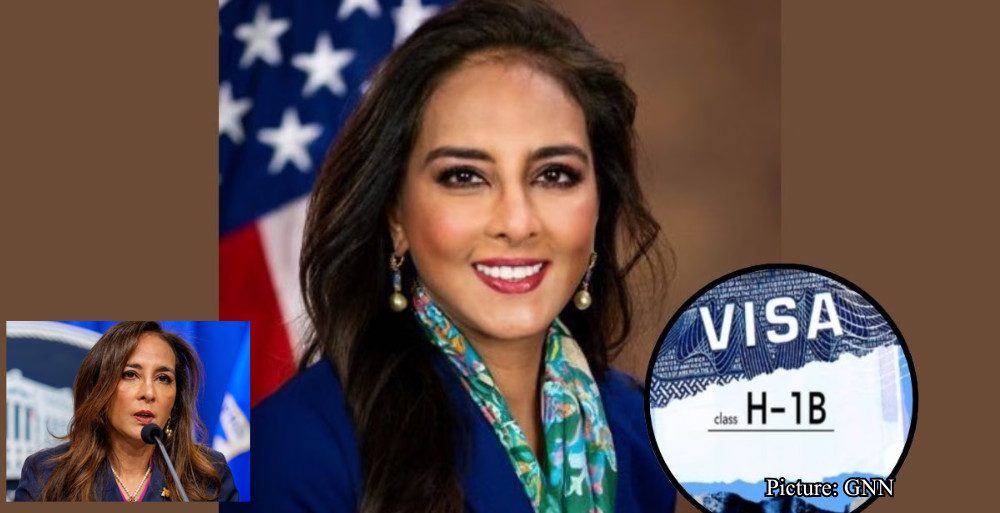









A bill seeking to double the annual quota of H-1B work visas has been reintroduced in the U.S. Congress, reigniting debate over high-skilled immigration at a time of heightened enforcement and political tension.
Illinois Democratic Representative Raja Krishnamoorthi has brought back the High-Skilled Immigration Reform for Employment (HIRE) Act, legislation aimed at boosting America’s long-term economic and technological strength by expanding access to global talent. The proposal would increase the yearly cap on new H-1B visas from 65,000 to 130,000.
The renewed push comes amid tougher oversight of the H-1B program under the Trump administration, which has introduced stricter compliance rules and imposed a steep $100,000 application fee for new visas — a move currently facing legal challenges from business groups.
Why This Matters
The future of the HIRE Act could dramatically reshape hiring across critical sectors such as technology, healthcare, engineering, and scientific research. Supporters argue that U.S. companies face persistent labor shortages in specialized fields and risk falling behind global competitors if access to skilled foreign professionals remains tightly limited.
The bill’s return to Congress also coincided with President Trump announcing a new immigration crackdown following a fatal shooting of two National Guard members near the White House. Trump vowed to “permanently pause” migration from certain developing nations — a statement that could directly affect future H-1B applicants, though formal policy details remain unclear.
Key Provisions of the HIRE Act
- Annual H-1B cap doubled from 65,000 to 130,000
- Increased federal funding for STEM education in U.S. elementary and secondary schools
- Expansion of the domestic talent pipeline alongside skilled immigration
- Support for industries facing critical workforce gaps
Advocates believe the combination of foreign talent recruitment and domestic STEM investment will provide a balanced long-term solution.
Changing Trends in H-1B Use
Recent visa approvals have shifted away from large outsourcing firms toward U.S.-based technology giants. Most H-1B visas now go to companies hiring fewer than 15 workers annually, reflecting tighter scrutiny and restructured hiring practices.
At the same time, federal agencies have intensified audits under a new enforcement initiative known as Project Firewall, adding further compliance pressure on employers.
What Leaders and Stakeholders Are Saying
Supporters of the bill argue that America’s innovation economy depends on access to global talent:
- Raja Krishnamoorthi, sponsor of the bill, said the legislation is essential to “build the workforce of tomorrow while keeping the U.S. at the forefront of innovation.”
- ITServe Alliance leaders described the HIRE Act as a necessary reform to modernize the high-skilled immigration system and improve transparency and fairness.
- Economic policy experts note that H-1B visas remain the primary long-term pathway for hiring high-skilled foreign graduates, who currently make up a large share of U.S. science and engineering programs.
- Critics from conservative policy groups argue the system enables abuse, suppresses American wages, and disadvantages U.S. graduates.
Meanwhile, the White House reiterated that while temporary foreign workers may be needed to launch large projects, companies will ultimately be expected to hire and train American workers first.
What Happens Next
The bill now enters the standard legislative process — committee review, potential amendments, and debates in both the House and Senate. With immigration already one of the most divisive issues in Washington, the fate of the HIRE Act remains uncertain.
As political pressure mounts from business associations, labor groups, and advocacy organizations, the struggle between expanding high-skilled immigration and restricting foreign labor is expected to dominate the next congressional session.