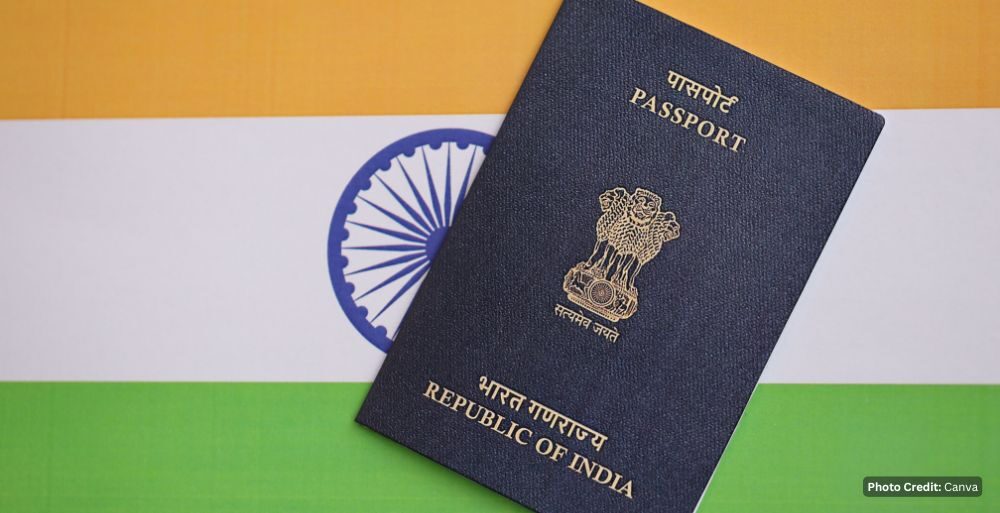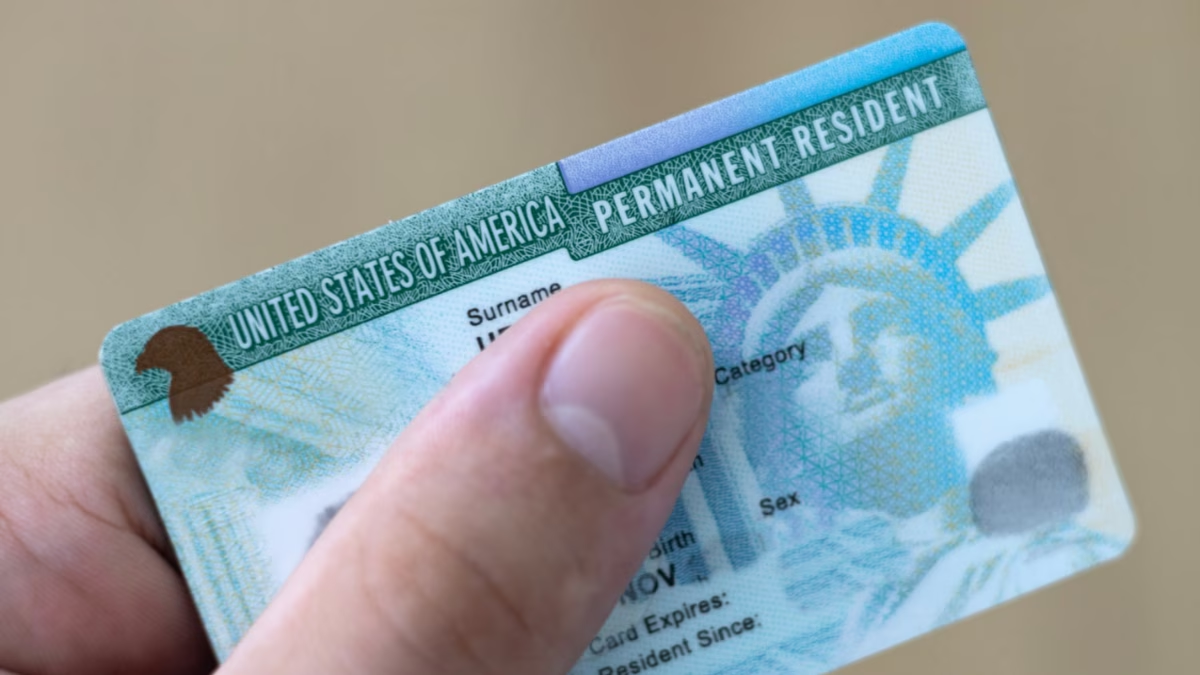










In a world where mobility is often taken for granted, the green card—a symbol of the American dream—holds significant weight. It promises legal residency, the ability to work, and the opportunity to build a life in the United States. Yet, for many green card holders, the reality of travel can be fraught with unexpected challenges and bureaucratic hurdles. Recent reports have highlighted a growing issue: green card holders facing delays and entry issues when traveling without the proper permits.
The green card, or Permanent Resident Card, is a critical document for immigrants in the United States. It grants them the right to live and work in the country indefinitely, a privilege that comes with both responsibilities and restrictions. One of the key limitations is related to international travel. While green card holders can travel outside the United States, they must be cautious about how long they remain abroad. Extended absences can lead to complications upon re-entry, as well as potential loss of residency status.
The problem arises when green card holders, perhaps unaware of the intricacies of U.S. immigration law, travel without the necessary re-entry permits or fail to adhere to guidelines regarding time spent outside the country. The U.S. Citizenship and Immigration Services (USCIS) stipulates that if a green card holder plans to be outside the United States for more than a year, they must obtain a re-entry permit before leaving. This document acts as a safeguard against the presumption of abandonment of residency.
However, the current climate of heightened scrutiny at U.S. borders has exacerbated the situation. Immigration officers are tasked with ensuring compliance with immigration laws, and any ambiguity in a traveler\’s status can lead to delays and, in some cases, denial of entry. The consequences of such incidents can be severe, affecting individuals\’ jobs, families, and lives that they have painstakingly built in the U.S.
Historically, the green card has been seen as a stable pathway to citizenship, a stepping stone towards the full rights and responsibilities of being an American. Yet, the path is not always straightforward. The process of obtaining a green card is arduous, often requiring years of waiting, extensive documentation, and sometimes the assistance of legal experts. Once granted, maintaining the status involves adhering to a set of rules that can be as complex as the initial application process.
The broader implications of these travel-related issues are significant. In a globalized world, the ability to travel freely is not just a personal convenience but a necessity. Families are often spread across continents, and business opportunities may require international travel. For green card holders, the fear of being detained or delayed at the border adds an additional layer of anxiety to what should be routine travel.
Moreover, these challenges reflect broader trends in immigration policy and enforcement in the United States. The balance between national security and the rights of immigrants is a delicate one, often swaying with the political climate. In recent years, there has been a noticeable shift towards stricter enforcement of immigration laws, with increased scrutiny at points of entry. This has led to a heightened sense of uncertainty among immigrants, including those who have lived in the U.S. for decades.
For those navigating this complex landscape, understanding the rules is crucial. Legal experts advise green card holders to be proactive in managing their status. This includes keeping abreast of changes in immigration policy, ensuring all travel documents are in order, and seeking legal counsel if planning extended travel abroad. Education and awareness are key to avoiding the pitfalls that come with international travel as a green card holder.
As the U.S. continues to grapple with its immigration policies, the experiences of green card holders serve as a reminder of the challenges faced by millions who call America home. While the green card offers many opportunities, it also comes with a set of responsibilities that require careful navigation. In the end, the goal is to ensure that the promise of the American dream remains accessible to those who have earned it, without unnecessary barriers.
In conclusion, the issue of travel delays and entry problems for green card holders is a microcosm of the broader immigration debate in the United States. It underscores the need for clear, fair, and humane immigration policies that recognize the contributions of immigrants while ensuring compliance with the law. As the conversation around immigration continues to evolve, finding solutions that balance these interests will be crucial.