



Jane had spent nearly a decade building a life in the United States since arriving from the Republic of Congo in 2015. After years of applications, interviews, background checks, fees, and waiting, she was just one month away from the moment she had worked so long for — her naturalization ceremony.
Then a letter arrived. Her oath ceremony, the final step in becoming a U.S. citizen, had been abruptly cancelled.
“I followed every rule, paid every fee, waited all these years. I was right at the finish line,” said Jane — using a pseudonym out of fear that speaking publicly could harm her case. “Having it cancelled at the very last moment makes me feel anxious, powerless.”
She is far from alone. Immigration lawyers and legal-aid groups across the country say that scheduled naturalization interviews and oath ceremonies are being halted suddenly, sometimes while applicants are already waiting in line at the venue. Many of the affected immigrants have done nothing wrong — they have already been formally approved for citizenship.
Instead, their ceremonies are being cancelled under a sweeping set of new immigration restrictions ordered by President Donald Trump, following the killing of a National Guardsman in Washington, D.C.
Why Are Ceremonies Being Cancelled?
In June, the White House issued a proclamation placing new travel and visa restrictions on immigrants from 19 “countries of concern.” On Dec. 2, U.S. Citizenship and Immigration Services (USCIS) announced that it would pause and re-review all pending applications — including citizenship — for anyone born in one of those countries.
The result: thousands of long-approved naturalization cases are suddenly frozen.
Legal-aid groups say people from Haiti, Venezuela and others listed in the proclamation are being pulled from lines and told their ceremonies will not go forward.
“There’s confusion, fear, and so much anxiety,” said Gail Breslow, Executive Director of Project Citizenship. “Clients ask us what they did wrong. We have no answers.”
Breslow described one case where a woman arrived for her ceremony only to be separated based on her country of birth. She was then informed her ceremony was cancelled.
Applicants Stuck in Limbo
USCIS confirmed to TIME that adjudications have been paused for applicants from “high-risk countries” until the agency performs “maximum vetting.”
But by the time applicants reach the oath ceremony, they have already undergone:
- years of background checks
- interviews
- residency and moral character assessments
- English and civics testing
- full application approval
Canceling at this final stage is “one step removed from denaturalizing someone,” Breslow says. “It’s unspeakably cruel.”
Immigration attorney Hasan Shafiqullah notes that even if this is “just a pause,” the uncertainty can last months — or much longer — depending on political changes.
After the oath ceremony, new citizens gain protections such as:
- the right to vote
- the ability to petition for family members
- access to a U.S. passport
- protection from deportation
Blocking these rights at the last moment, Shafiqullah says, leaves people in a vulnerable “legal limbo.”
A Pattern of Restricting Legal Immigration
Advocates emphasize that this is part of a broader tightening of legal immigration pathways:
- New USCIS rule requiring all fees to be paid electronically, despite most applicants historically using checks or money orders
- A more subjective, more difficult civics exam, announced in September
- Stricter interpretations of “good moral character” for citizenship
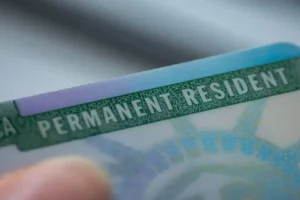
- Green card interviews cancelled, leaving applicants legally exposed
- Expanded visa bans and increased vetting
“It’s been one thing after another discouraging people from becoming U.S. citizens,” says Breslow.
NYLAG attorney Allison Cutler notes that green card applicants with cancelled interviews are placed at even greater risk, as their cases can be reopened by ICE.
Critics Say the Shooting Was a Pretext
Although the crackdown was announced in the aftermath of the Guardsman’s killing, immigration experts believe the tragedy was used as justification to roll out pre-written policies prioritizing denaturalization and restricting legal pathways.
“These policies were sitting on a shelf waiting for a pretext,” Shafiqullah says. “The shooting gave them that pretext.”
‘We Were So Close’
For immigrants like Jane, the emotional impact is devastating.
“We were within reach of becoming citizens,” she says. “Now we don’t know if that day will ever come.”
Countless applicants — after years of following every rule — now find their future in the U.S. suspended indefinitely, with no timeline for answers.