








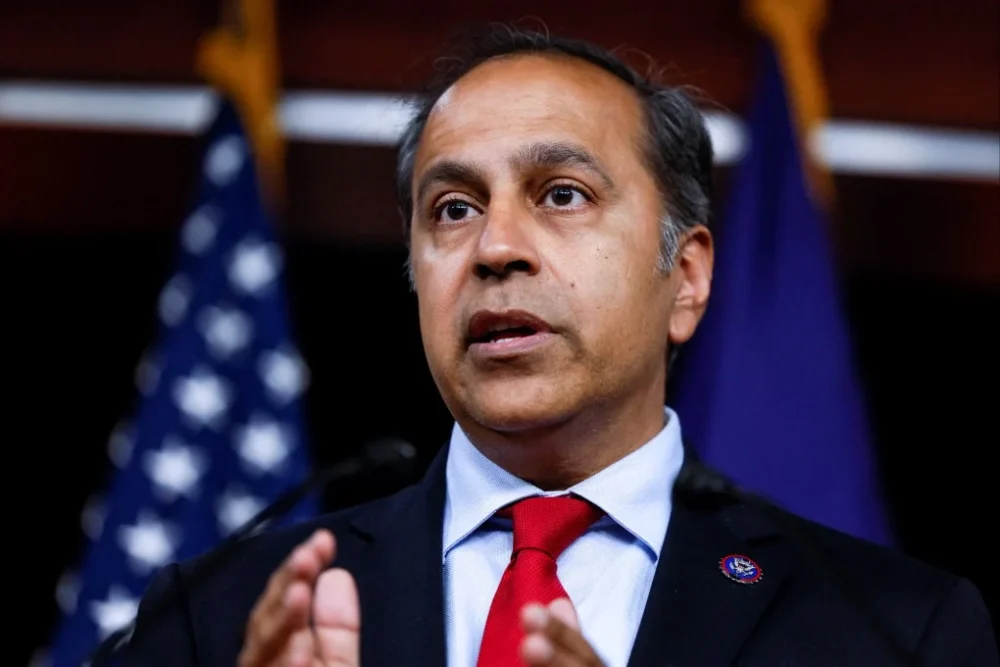
In a renewed push to address America’s growing shortage of skilled workers, U.S. Congressman Raja Krishnamoorthi has reintroduced the High-Skilled Immigration Reform for Employment (HIRE) Act, a bill that proposes to double the annual H-1B visa cap from 65,000 to 1,30,000.
The legislation is aimed at strengthening the United States’ long-term economic competitiveness, especially in critical technology-driven industries. It follows a dual strategy—expanding access to global talent while simultaneously boosting investment in domestic STEM (Science, Technology, Engineering and Mathematics) education.
Key Proposals Under the HIRE Act
Supported by ITServe Alliance, the largest association of IT services firms in the U.S., the HIRE Act outlines major changes to the current visa framework:
- Doubling the annual H-1B visa limit from 65,000 to 1,30,000
- Removing the separate 20,000-visa cap for applicants holding advanced U.S. degrees
- Increasing federal funding for STEM programs in American elementary and secondary schools
- Ensuring employers in emerging and strategic technology sectors can access highly skilled professionals
Krishnamoorthi said the bill is essential for keeping the U.S. at the forefront of global innovation. “By strengthening our domestic workforce while continuing to welcome top talent from around the world, we can create high-quality jobs and protect America’s leadership in future technologies,” he said.
Why the H-1B Programme Is Back in the Spotlight
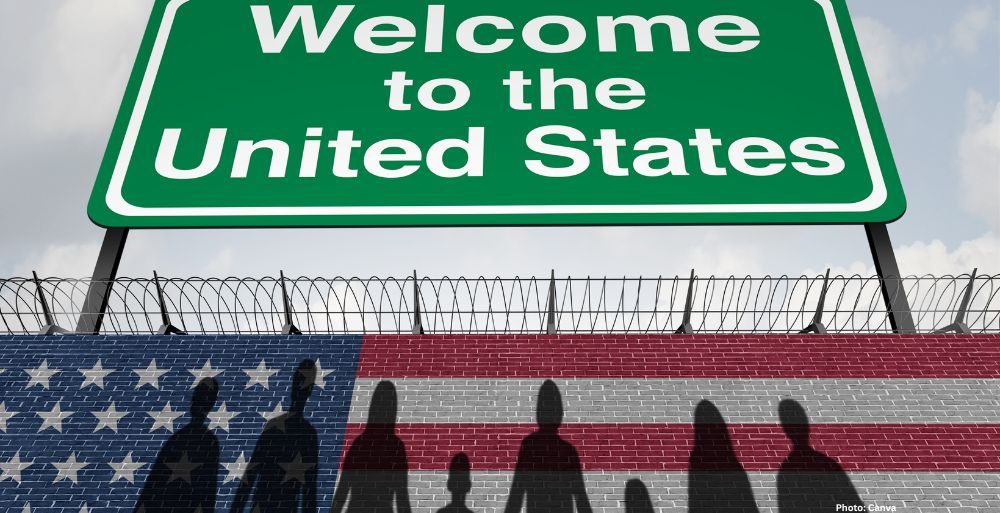
The H-1B visa program has been at the center of political and economic debate in recent years. Under the administration of U.S. President Donald Trump, immigration became a key election issue, with critics arguing that foreign workers were replacing American employees.
In September, a proclamation sharply raised the annual fee for companies hiring H-1B workers to $100,000, making the visa significantly more expensive for employers. The official justification stated that the program had been misused to substitute American labor with cheaper foreign workers, allegedly weakening economic and national security.
Public opinion has also shifted. A recent YouGov survey showed that immigration is now one of the top issues for U.S. voters—up from just over 2% in 2012 to nearly 15% ahead of recent elections.
Indians Remain the Largest Beneficiaries
India continues to dominate the H-1B landscape. U.S. government data shows that over 70% of all approved H-1B petitions since 2015 have gone to Indian nationals. Between October 2022 and September 2023 alone, nearly three-quarters of the roughly 4 lakh H-1B visas issued were granted to Indians.
However, the program has also faced controversy. Senior U.S. officials have recently alleged large-scale misuse and “industrialized fraud” connected to visa applications, particularly involving outsourcing firms. These claims remain under investigation.
What Comes Next
The reintroduction of the HIRE Act signals a renewed debate in Congress over how to balance economic growth, national security, and workforce protection. If passed, the bill could significantly reshape U.S. hiring practices in technology, healthcare, research, and engineering—while also offering relief to thousands of international professionals seeking high-skilled jobs in America.