







For many immigrants, the naturalization ceremony is meant to be the final, celebratory step in a long and demanding journey toward becoming a U.S. citizen. But in recent weeks, that moment has been abruptly taken away for dozens of applicants across the country, according to immigration lawyers, leaving families in limbo just as they reach what one attorney calls “the finish line.”
On December 4, a Haitian national represented by immigration attorney Gail Breslow arrived at historic Faneuil Hall expecting to take the oath of allegiance and formally become an American citizen. Years of paperwork, legal fees, background checks, and interviews had led to this moment. Instead, Breslow said, her client was turned away at the door.
“She was pulled out of line, and she reported that others were as well,” said Breslow, executive director of Project Citizenship, an organization that assists immigrants through the naturalization process in Massachusetts. “She was told her ceremony was canceled and that she should not enter the building.”
According to Breslow, her client is one of many immigrants whose citizenship ceremonies have been canceled with little warning after the Trump administration paused immigration decisions for applicants from countries it deems “high-risk.” Breslow says that since early December, at least 21 of her clients alone have been told not to attend their oath ceremonies — the final, mandatory step after their applications had already been approved.
“These actions are not making our country safer by any stretch,” Breslow said. “It’s a thinly veiled effort to target people based on where they come from. This is xenophobia at its most stark.”
Policy Shift After Shooting Incident
The cancellations followed a series of immigration policy moves announced after an Afghan national, Rahmanullah Lakanwal, was accused of fatally shooting one National Guard member and injuring another. Lakanwal has pleaded not guilty to first-degree murder charges.
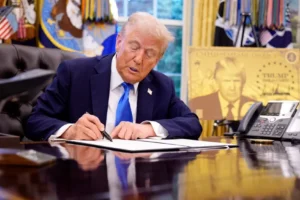
In response, the Trump administration paused asylum decisions, expanded travel restrictions, and halted some naturalization approvals nationwide. In a December 2 memo, U.S. Citizenship and Immigration Services said affected cases may undergo “a thorough re-review process,” including additional interviews, to reassess national security and public safety risks.
A spokesperson for the Department of Homeland Security defended the move, saying USCIS “paused all adjudications for aliens from high-risk countries” to allow for a comprehensive security review. “The safety of the American people always comes first,” the spokesperson said.
Critics, however, argue that the administration is using a single violent incident to justify sweeping restrictions affecting people who have already passed extensive vetting.
“Like Canceling the Race at the Finish Line”
Immigration attorneys across the U.S. say the impact has been deeply personal and disruptive. In San Diego, attorney Habib Hasbini described the case of an Afghan woman who arrived in the U.S. in 2018 under a Special Immigrant Visa after assisting American forces in Afghanistan. Her oath ceremony was scheduled for November, but she missed it due to hospitalization. When it was rescheduled for December, she was notified that it, too, had been canceled.
“If she hadn’t gone to the hospital, she would have her citizenship by now,” Hasbini said.
ABC News obtained copies of cancellation notices sent to applicants. One notice, dated December 2, cited “unforeseen circumstances” and said applicants would be notified of any future action under a separate notice, offering no timeline or clarity.
Attorney Josh Goldstein said the administration’s actions are likely to face legal challenges, especially for applicants who have already completed interviews and received approval. Under current law, the government typically has 120 days to make a final decision after an interview.
“It’s like running a race, getting to the finish line, and then having the race canceled,” Goldstein said.
Families Caught in the Middle
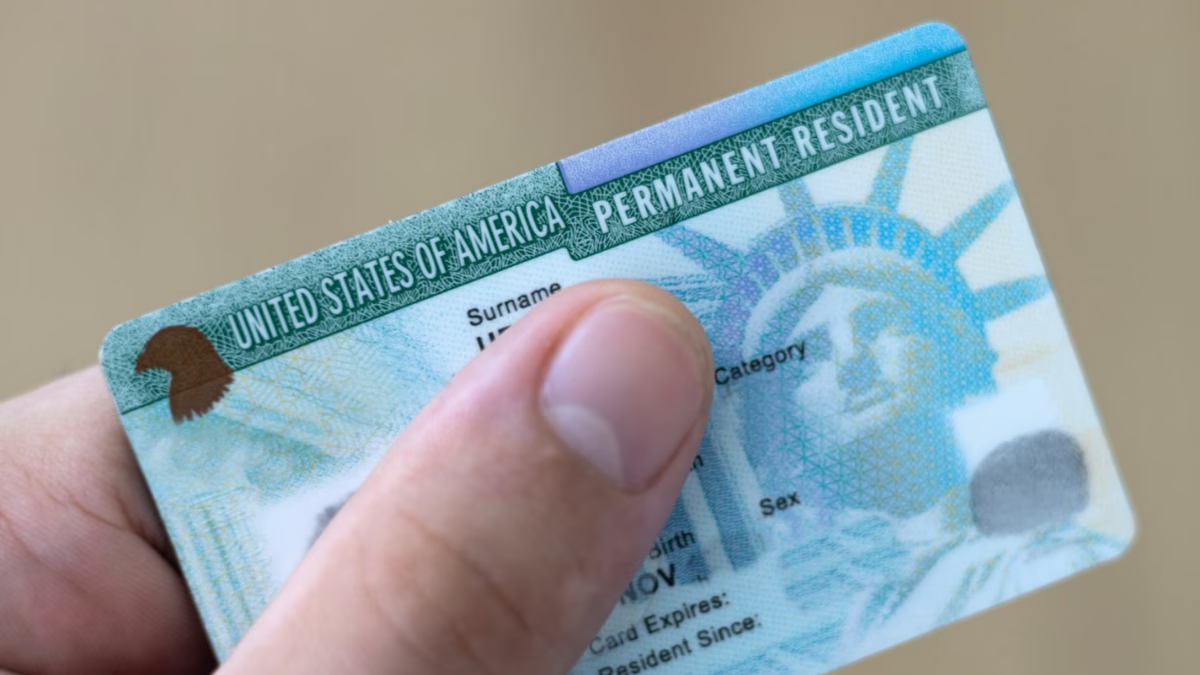
Another client affected by the cancellations is Raouf, an Iranian-born Austrian national who has been a lawful permanent resident since 2020. Represented by attorney Mo Goldman, Raouf was scheduled to take the oath in December but received an email canceling the ceremony just four days before the event.
“He told me his mom had bought a dress, and the family planned a celebration afterward,” Goldman said. “Imagine this happening to any U.S. citizen — they’d go crazy.”
Although Raouf’s green card remains valid for several more years, the emotional toll has been significant. In a statement, he said he would remain patient despite the disappointment. “Nothing would make me more proud than to become a U.S. citizen,” he said. “I know that I will someday become a citizen.”
Broader Crackdown Raises Alarm
The cancellations come amid broader rhetoric from Donald Trump. On November 28, Trump publicly threatened to pursue denaturalization — stripping citizenship from certain immigrants — in a post on Truth Social. Earlier this month, administration officials also confirmed that USCIS officers had been directed to refer up to 200 cases per month for potential denaturalization review.
For advocates, the pattern is troubling. “This is not just about undocumented immigrants anymore,” Breslow said. “This is about people who followed every rule, passed every check, and were told ‘yes’ — only to have that promise pulled away.”
As legal challenges loom, immigration attorneys warn that the uncertainty could stretch for months, if not longer. For immigrants who believed their journey was finally complete, the message has been devastating: even at the very end, citizenship is no longer guaranteed.