







The World Health Organization, in collaboration with the vaccine alliance Gavi and the United Nations Children’s Fund, confirmed on Wednesday that the global stockpile of oral cholera vaccines has reached a level sufficient to pivot from emergency reactive measures back to proactive prevention. This decision marks a significant turning point in the international response to a disease that has seen a resurgence across several continents over the last four years. The resumption of these programs is expected to stabilize public health infrastructure in regions where the bacteria remains endemic.
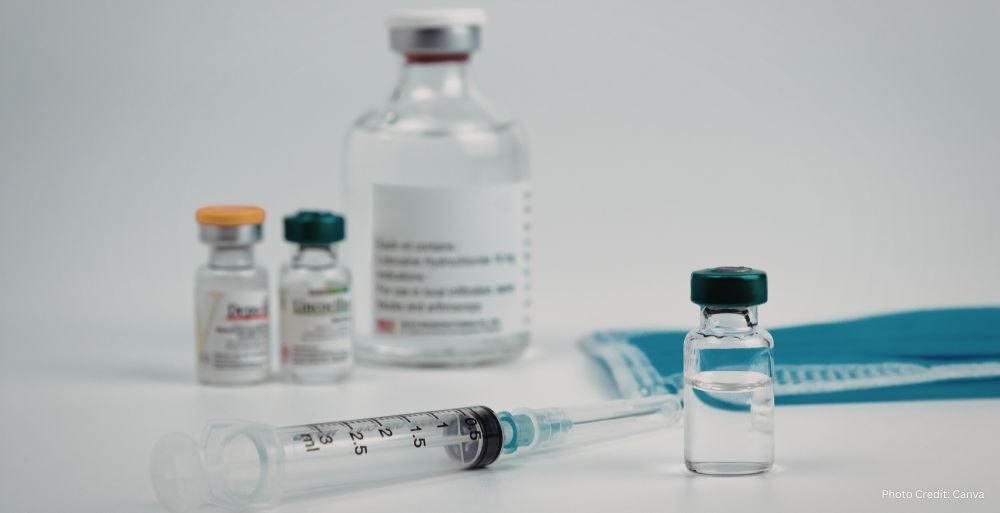
According to a joint statement from the participating agencies, the global stockpile managed by these organizations saw a substantial recovery throughout the previous year, with supplies reaching nearly 70 million doses. This improvement follows a period of intense scarcity that began in 2022. During that time, a dramatic surge in demand forced health officials to implement a rationing strategy. This strategy restricted the use of the limited available doses strictly to reactive campaigns, meaning vaccines were only deployed after an outbreak had already claimed lives and begun to spread within a community.
The shortage originally manifested when the global stockpile plummeted to 35 million doses, a figure far below what was necessary to meet the requests of countries grappling with simultaneous and large-scale outbreaks. During this period of scarcity, international health agencies were forced to make difficult triage decisions, often denying requests for preventive campaigns in order to save lives in active \”hot zones.\” The return to a preventive model suggests that manufacturing capacity and procurement efforts have finally aligned with the rising global need.
As part of the initial phase of this renewed effort, a first allocation of approximately 20 million doses is currently being deployed to high-risk areas. Mozambique is set to receive 3.6 million doses, while 6.1 million doses are destined for the Democratic Republic of the Congo. Additionally, a significant shipment of 10.3 million doses is planned for delivery to Bangladesh. These countries have been selected based on their historical vulnerability to the disease and current environmental risk factors that could trigger widespread transmission.
WHO Director-General Tedros Adhanom Ghebreyesus emphasized that the previous global vaccine shortages had trapped the international community in a cycle of reacting to cholera outbreaks rather than preventing them. He stated that the current supply levels put global health authorities in a much stronger position to break that cycle and protect vulnerable populations before the disease takes hold. The shift back to prevention is viewed as a more cost-effective and humane approach to managing a disease that is entirely preventable with clean water and timely immunization.
Cholera remains a severe diarrheal disease caused by the ingestion of food or water contaminated with the bacterium Vibrio cholerae. While it is easily treatable with oral rehydration solution, the disease can kill within hours if left untreated. The conditions that foster cholera outbreaks are often rooted in systemic issues such as poverty, ongoing conflict, and the escalating climate crisis. These factors frequently lead to the destruction of health facilities, the disruption of clean water supplies, and the displacement of populations into overcrowded camps with poor sanitation.
Mozambique has been identified as a priority for the incoming vaccine shipments following devastating flooding that occurred last month. These floods affected an estimated 700,000 people, leaving many without access to safe drinking water and creating the stagnant conditions in which cholera thrives. By deploying 3.6 million doses to the region now, health officials hope to stave off a secondary public health crisis that often follows natural disasters in southern Africa.
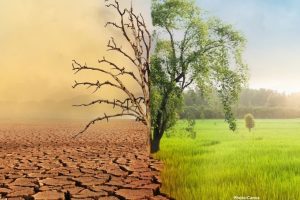
The World Health Organization has long maintained that while socio-political instability and poverty are the primary drivers of cholera, climate change has acted as a potent catalyst for the global upsurge seen since 2021. Extreme weather events, including more frequent and intense storms, have caused massive flooding and infrastructure damage in regions that were previously stable. This environmental shift has made the need for a robust and reliable vaccine stockpile even more critical as the geographic reach of the disease continues to expand.
During the height of the supply crisis, the scarcity of doses prompted the WHO to recommend a temporary transition from a two-dose vaccination strategy to a single-dose strategy. A single dose provides a shorter period of protection but allows twice as many people to be reached during an emergency. On Wednesday, the organization noted that while the two-dose regimen remains the ideal for long-term immunity, the one-dose strategy will currently remain the standard for many programs. Two-dose campaigns will be evaluated on a case-by-case basis depending on supply and local risk profiles.
The human toll of the recent cholera resurgence has been significant. More than 600,000 cases were reported to the WHO last year alone, resulting in nearly 7,600 deaths. While the total number of global cases showed a slight decline in 2025 compared to previous years, health officials expressed concern that the number of cholera-related fatalities continued to rise. This trend suggests that while the spread of the disease may have slowed in some areas, the severity of the outbreaks and the lack of access to timely medical care remain major hurdles.
The logistics of the global stockpile recovery involved a multi-faceted approach, including encouraging existing manufacturers to increase output and streamlining the distribution process. The vaccines are provided free of charge to countries in need, funded largely by international donors and the Gavi vaccine alliance. This financial model ensures that the world’s poorest nations, which are often the most affected by cholera, are not excluded from the benefits of immunization due to a lack of resources.
Looking forward, the WHO and its partners aim to integrate these preventive vaccinations with broader investments in water, sanitation, and hygiene infrastructure. Public health experts argue that while vaccines are an essential tool for controlling the disease, they are not a permanent solution. The ultimate goal remains the total elimination of cholera through the provision of universal access to clean water and adequate sanitation services. Until those infrastructure goals are met, the preventive vaccination program serves as the primary line of defense for millions of people living in high-risk environments.
The successful restart of these programs will require close coordination with local health ministries to ensure that the vaccines reach the populations most at risk. In countries like the Democratic Republic of the Congo and Bangladesh, where large numbers of people live in high-density areas with intermittent water service, the deployment of these 20 million doses represents a critical opportunity to lower the baseline of global cholera transmission and prevent future seasonal spikes from becoming unmanageable catastrophes.