







High blood pressure is often called a “silent” condition because it can quietly damage the arteries, heart, brain, kidneys, eyes and other organs for years before symptoms appear. Affecting nearly half of U.S. adults, hypertension raises the risk of heart failure, stroke, kidney disease and vision loss — yet it is highly treatable with lifestyle changes and medication. Regular blood pressure checks remain the key to preventing long-term, life-threatening complications.
Nearly half of U.S. adults live with hypertension, commonly known as high blood pressure — and an estimated 11 million don’t even realize they have it. Often called a “silent” condition, hypertension rarely causes symptoms until serious damage has already occurred. Yet it remains one of the leading causes of preventable death, significantly increasing the risk of heart disease, kidney failure and stroke.
Experts warn that uncontrolled high blood pressure gradually harms nearly every major organ system in the body.
Damage Begins in the Arteries
Arteries are responsible for carrying oxygen-rich blood from the heart to the rest of the body. When blood pressure remains elevated over time, it forces artery walls to thicken and stiffen. This reduces their flexibility and narrows the passageway for blood flow.
As arteries become less efficient, they struggle to deliver adequate blood supply to organs. Over time, they can weaken or even rupture, raising the risk of emergencies such as stroke or aortic dissection — a tear in the aorta’s inner lining.
Chronic hypertension also damages the inner lining of blood vessels, creating conditions where cholesterol and fat can accumulate and form plaque. This process, known as atherosclerosis, further narrows arteries. If a plaque ruptures or a clot forms, it can block blood flow entirely — triggering a heart attack or stroke.
Heart: Thickening and Failure
The heart must work harder to pump against elevated pressure. Over time, this strain causes the heart muscle to thicken and enlarge. While this may initially seem like a sign of strength, it ultimately reduces the heart’s efficiency.
Hypertension is one of the leading risk factors for heart failure — a chronic condition in which the heart cannot pump enough blood to meet the body’s needs. Many patients diagnosed with heart failure had high blood pressure for years beforehand.
As the heart weakens, fluid may build up in the lungs and limbs, causing shortness of breath and swelling — often developing gradually and unnoticed without routine blood pressure monitoring.
Brain: Stroke and Cognitive Decline
High blood pressure is the most significant risk factor for stroke. Ischemic strokes, the most common type, occur when a blocked artery cuts off blood supply to part of the brain. Years of uncontrolled hypertension contribute to the buildup of blockages that cause these events.
Weakened blood vessels in the brain can also rupture, resulting in a hemorrhagic stroke, which is typically more severe.
Beyond stroke, long-term hypertension is linked to cognitive decline and dementia. Research suggests that maintaining healthy blood pressure may help protect memory and brain function over time.
Eyes: Vision Threats
The tiny blood vessels supplying the retina — essential for clear vision — can also thicken and narrow under prolonged high pressure. Reduced blood flow may lead to hypertensive retinopathy, a condition that can cause blurred vision or even permanent vision loss.
In some cases, an eye exam may be the first place high blood pressure is detected. Hypertension can also damage the optic nerve or cause fluid buildup beneath the retina, distorting vision.
Kidneys: A Dangerous Cycle
The kidneys rely on delicate networks of small blood vessels to filter waste from the blood. Persistent high pressure strains these vessels, impairing their filtering ability and increasing the risk of chronic kidney disease.
In severe cases — such as a hypertensive emergency marked by a sudden spike in blood pressure — kidney damage can occur rapidly and permanently.
Complicating matters further, damaged kidneys may release hormones that raise blood pressure even more, creating a harmful cycle.
Sexual Health
Because hypertension reduces blood flow throughout the body, it can also affect sexual health. In men, restricted blood flow may contribute to erectile dysfunction. In women, reduced circulation may affect sexual desire and arousal.
Legs and Peripheral Arteries
High blood pressure can contribute to peripheral artery disease (PAD), a condition where narrowed arteries reduce blood flow to the limbs. This may cause leg pain, cramping and difficulty walking. Reduced activity due to discomfort can further worsen cardiovascular health.
The Good News: It’s Manageable
Despite its risks, hypertension is highly treatable. Lifestyle changes such as quitting smoking, exercising regularly and following the DASH (Dietary Approaches to Stop Hypertension) diet — rich in fruits, vegetables, whole grains and lean proteins — can significantly lower blood pressure.
There are also numerous effective medications available, many in affordable generic forms. With proper treatment and routine monitoring, most people can achieve healthy blood pressure levels and dramatically reduce their risk of complications.
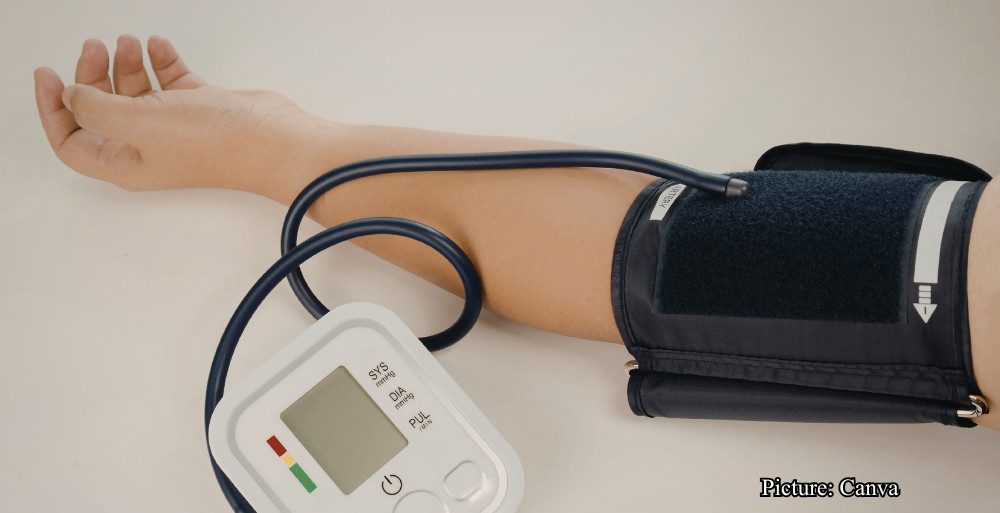
Because hypertension often has no warning signs, regular blood pressure checks remain the most important step in preventing long-term damage.