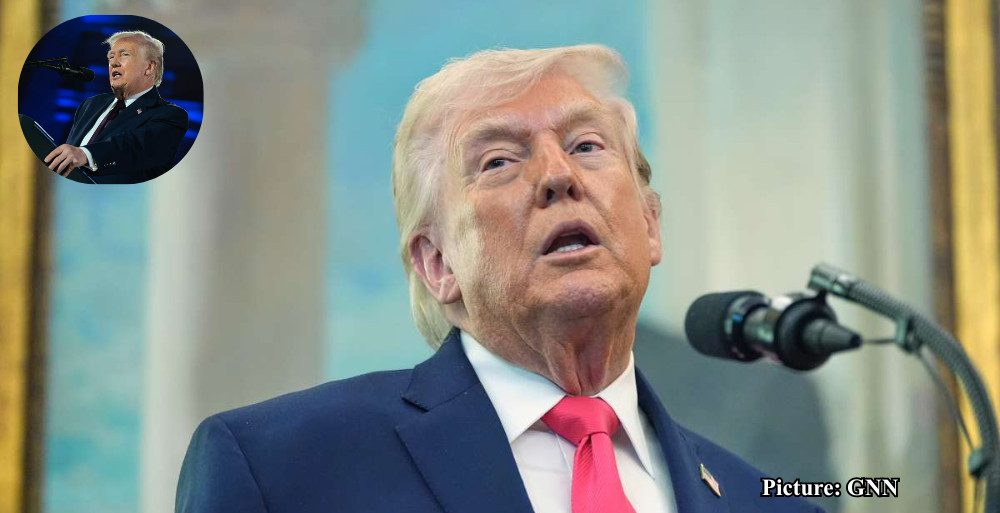










President Donald Trump has drawn sharp criticism from medical experts after asserting that using acetaminophen (known as Tylenol in the U.S.) during pregnancy is linked to autism in children. He urged mothers to avoid taking the drug, even suggesting that infants should not be given it either. Trump’s remarks also challenged vaccine schedules, hinting at unverified connections to rising autism rates.
Health authorities and global agencies quickly pushed back. The European Medicines Agency, the World Health Organization, and regulators in the U.K. reaffirmed that there is no conclusive scientific evidence showing that parental use of acetaminophen causes autism. They cautioned that Trump’s claims risk undermining public trust in medicine.
The controversy also spotlighted a recent 2025 meta-analysis that found an association in observational data between prenatal acetaminophen exposure and neurodevelopmental outcomes—but such studies cannot prove causation. Critics argue Trump’s comments disregard decades of epidemiological research and overstate tentative findings.
Medical groups emphasized the risks of discouraging proper fever management during pregnancy. Untreated fever and pain can themselves endanger fetal health. Many obstetric and pediatric associations reiterated that acetaminophen remains among the safer options when used appropriately under medical supervision.
As the debate unfolds, some fear that politicizing sensitive health topics like autism could harm public health messaging. Experts warn that misleading statements may fuel confusion, anxiety, and stigmatization among parents and those affected by autism.