









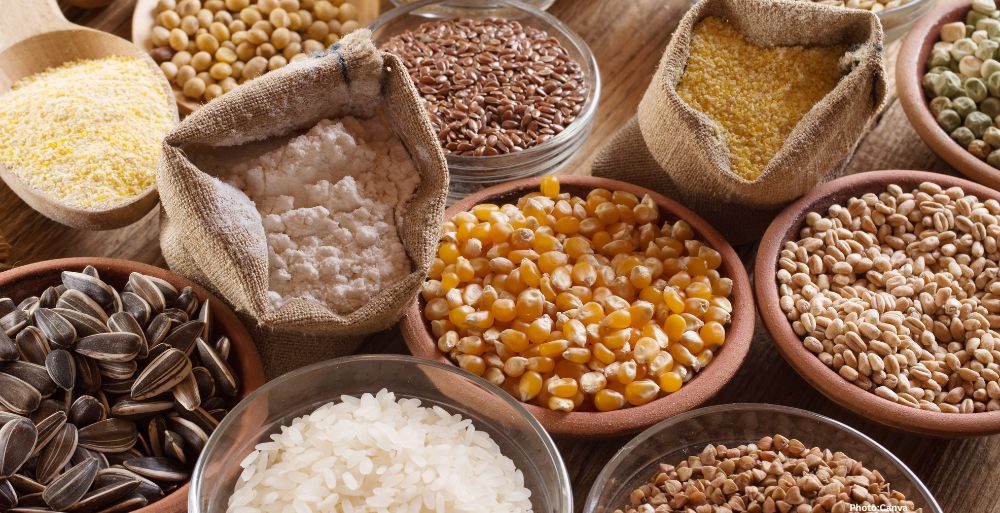
As National Cereal Day 2026 marks a century of breakfast innovation, health experts and Ayurvedic practitioners are redefining the morning staple through the lens of ancient wellness. The shift represents a significant pivot in the $37 billion global cereal industry toward functional nutrition and dosha-balanced ingredients.
The modern breakfast table has become a primary battlefield for the soul of the global food industry. Once dominated by high-sugar offerings and neon-colored mascots, the morning meal is undergoing a rigorous scientific and philosophical transformation. On National Cereal Day 2026, the conversation has moved beyond mere convenience to a sophisticated intersection of industrial history and Ayurvedic principles, signaling a permanent shift in consumer behavior and market strategy.
The history of cereal is a narrative of accidental genius and religious fervor. The industry traces its roots back to 1863 with the development of Granula, the first manufactured breakfast cereal. However, the true explosion occurred in Battle Creek, Michigan, famously dubbed the “cereal capital of the world.” It was here that Dr. John Harvey Kellogg and C.W. Post revolutionized the American diet. The creation of the cornflake in 1895—born from a mishap where James Kellogg left cooked wheat out to dehydrate—was not just a culinary milestone but a medical one, originally intended as a digestible health food for sanitarium patients.
Today, that legacy of health-conscious eating is being reinterpreted through Ayurveda, the 5,000-year-old Indian system of medicine. While the word “cereal” finds its etymology in Ceres, the Roman goddess of agriculture, its modern application is increasingly influenced by the Eastern concept of Doshas—the three biological energies that govern the human body and mind.
In the high-stakes world of nutritional economics, the “one size fits all” approach to cereal is dying. Ayurvedic practitioners argue that the efficacy of a morning meal depends entirely on an individual’s metabolic constitution. For those with a Vata constitution—characterized by coldness and dryness—the standard bowl of cold cereal with ice-cold milk is viewed as a digestive liability. Instead, experts recommend warm, moist grains like oatmeal or rice porridge to ground the nervous system and ignite the digestive fire, or Agni.
Conversely, the Kapha profile requires light, dry grains such as buckwheat or millet to counteract inherent sluggishness, while the high-energy Pitta profile benefits from cooling grains like barley or oats. This move toward personalized nutrition is driving major manufacturers to diversify their portfolios, moving away from refined sugars and toward whole-grain architectures that prioritize fiber and protein over simple carbohydrates.
The transition from “fast food” to “functional food” is perhaps most evident in the rise of brands like Patanjali, which have successfully bridged the gap between traditional herbal wisdom and mass-market retail. Their expansion into the cereal sector—offering everything from iron-rich Corn Flakes to complex Muesli Fruit & Nut blends—reflects a broader trend: the “premiumization” of the cereal aisle. By incorporating ingredients like dried papaya, almond slices, and pumpkin seeds, these products aim to satisfy the modern consumer’s demand for both texture and “clean label” transparency.
Industry analysts note that the National Cereal Day celebrations in 2026 serve as a bellwether for the “warm cereal” movement. Ayurveda strongly advises against cold cereals, positing that they are difficult for the body to process and can lead to the accumulation of Ama, or metabolic toxins. This has led to a surge in savory oat varieties. Products like Patanjali Masala Oats and Tomato Oats represent a fusion of Western grain technology and Eastern spice profiles, utilizing turmeric, ginger, and cinnamon to enhance nutrient absorption and metabolic rate.
“The consumer of 2026 is no longer satisfied with fortified minerals alone,” says a leading food economist. “They are looking for ‘bio-available’ nutrition. They want to know if their breakfast is balancing their blood sugar or taxing their liver.”
This demand for authenticity is forcing a reckoning with additives. The “clean label” movement has reached a fever pitch, with National Cereal Day 2026 serving as a platform for advocates to push for the removal of synthetic dyes and artificial preservatives. The Ayurvedic perspective aligns perfectly with this, emphasizing the use of natural sweeteners like honey or jaggery and the inclusion of “superfood” additions like chia seeds and flax to provide a steady release of energy throughout the day.
Even the indulgence category—traditionally the domain of sugary “kids’ cereals”—is being reformed. New “Choco” variants now utilize multigrain pillows and high-quality cocoa, designed to be served with hot milk to ensure they meet the Ayurvedic standard of a warm morning meal. This allows the industry to retain its younger demographic while satisfying the increasingly stringent health requirements of modern parents.
As we look toward the remainder of the decade, the cereal industry’s survival depends on its ability to marry the convenience established by the Kellogg brothers with the holistic insights of ancient traditions. The bowl of cereal is no longer just a quick solution for a busy morning; it is becoming a curated tool for metabolic health. Whether it is a bowl of rolled oats for sustained energy or a spiced millet blend for digestive clarity, the message of National Cereal Day 2026 is clear: the most important meal of the day has finally grown up.