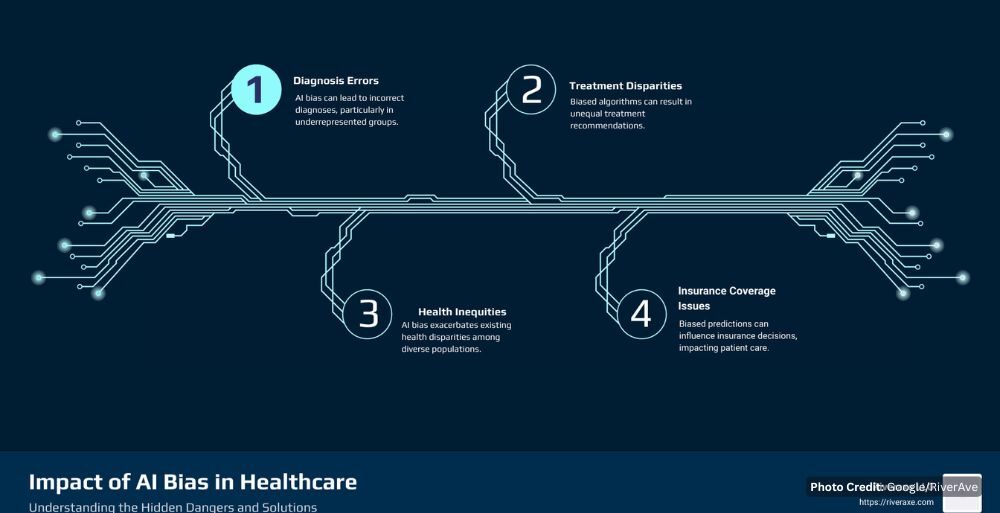







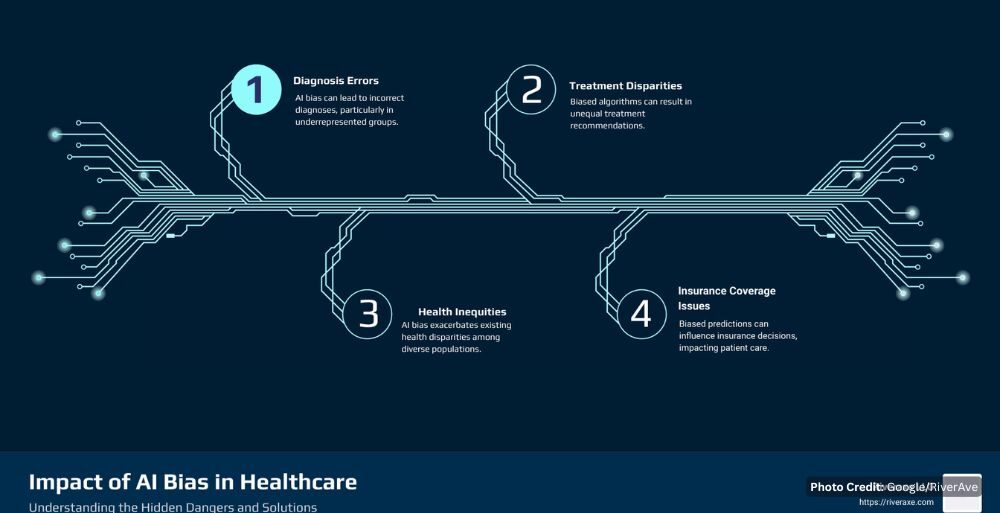
At least 10 patients were injured and more than 100 malfunctions were reported between late 2021 and November 2025 involving artificial intelligence software integrated into surgical navigation tools. A Reuters investigation found that medical devices using machine learning algorithms, intended to enhance precision, have been linked to botched procedures including cerebrospinal fluid leaks, punctured skulls, and strokes. Legal filings and federal records indicate that some AI-enhanced systems provided surgeons with inaccurate real-time data regarding the location of instruments within patients\’ bodies.
The Food and Drug Administration (FDA) has authorized over 1,357 AI-enabled medical devices, a figure that has more than doubled since the end of 2022. However, a joint study by Johns Hopkins, Georgetown, and Yale universities revealed that 60 of these authorized devices were subsequently linked to 182 product recalls. Notably, 43% of those recalls occurred within the first year of the device\’s market debut, suggesting a failure in the initial vetting process as developers race to implement the technology.
Specific reports highlight failures in diverse medical fields, ranging from ear, nose, and throat (ENT) surgeries to prenatal care. In one instance, an FDA report from June 2025 alleged that Sonio Detect, an AI software used for prenatal ultrasounds, was misidentifying fetal body parts and incorrectly labeling anatomical structures. While proponents of the technology argue it will revolutionize healthcare by identifying rare diseases and enhancing surgical skill, critics point to a lack of oversight and transparency in how these algorithms are tested.
\”The product was arguably safer before integrating changes in the software to incorporate artificial intelligence than after the software modifications were implemented,\” one lawsuit filed in Texas alleges.
Internal friction at the FDA further complicates the rollout of these technologies. Current and former agency scientists report that the department is struggling to manage the sheer volume of AI-powered device applications. While the U.S. Department of Health and Human Services has pledged to increase its capacity for medical AI oversight, the rapid \”operational tempo\” of the industry continues to outpace regulatory capabilities, leaving patients at risk of algorithmic error in the operating room.