



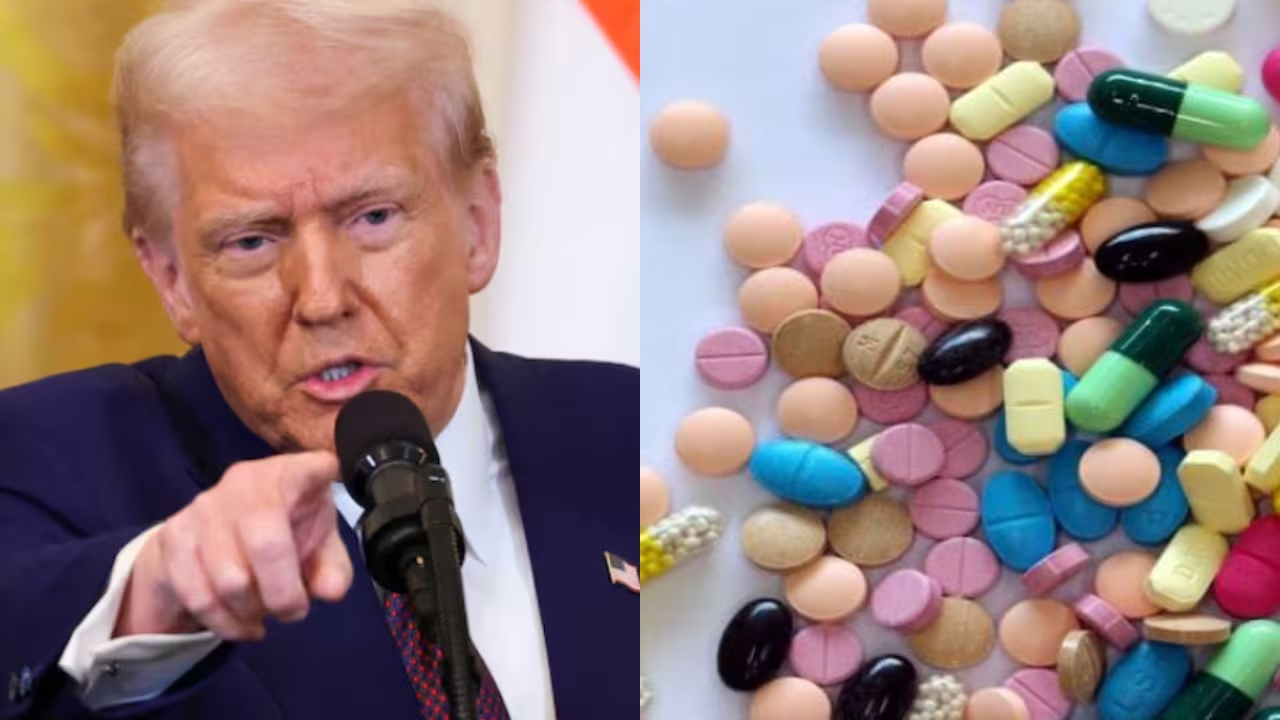
President Trump has announced that beginning October 1, a 100% tariff will apply to imported branded pharmaceutical drugs. This move is already stirring disruption in New Jersey’s pharmaceutical sector, where several major firms have announced layoffs. The state is projected to lose nearly 2,200 jobs in the industry by 2026.
New Jersey is a hub for the pharmaceutical industry, hosting many of the world’s leading drug companies and employing over 100,000 people in life sciences. The tariff announcement has rattled markets, with prospects of higher drug costs for consumers, especially if domestic production cannot compensate for the shortfall.
The government’s tariff exemption clause allows branded drug imports to evade the charges if the company is actively constructing or breaking ground on a U.S.-based manufacturing facility. However, this criterion has raised uncertainty for companies that already have operations in the U.S.—whether existing facilities qualify is unclear.
Several pharmaceutical firms in New Jersey are feeling the pressure. Bristol Myers Squibb has already issued multiple layoff notices, with planned reductions totaling over a thousand positions. Novartis announced job cuts at its East Hanover facility, and Novo Nordisk also disclosed significant reductions in its U.S. workforce. Other companies such as Merck, Organon, and Eisai have announced or carried out layoffs within the state.
While the tariff policy aims to spur domestic drug manufacturing, critics warn of unintended consequences: supply shortages, steep price hikes, and risk to consumer access to crucial medicines.