









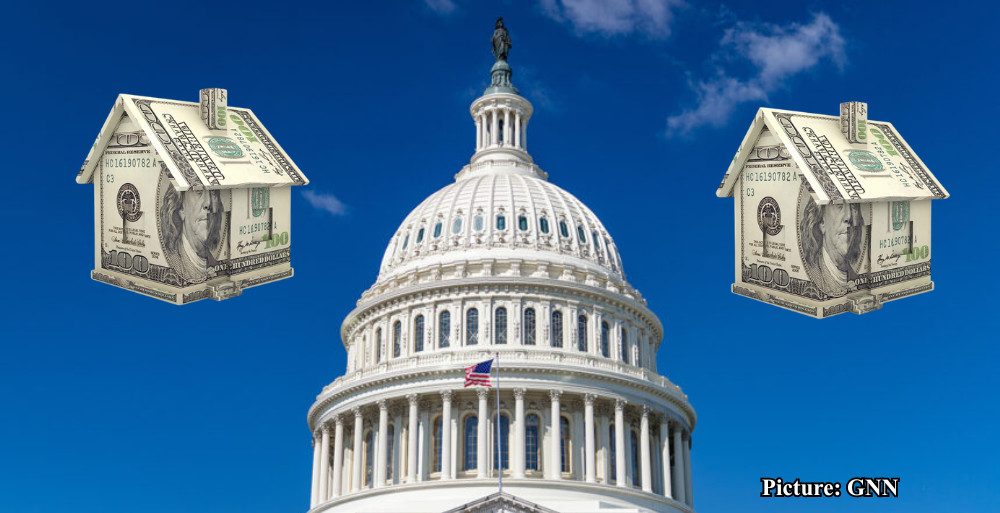
A proposed bill in Congress seeks to eliminate Medicare funding for over 400 nursing homes and hospitals owned by private equity firms, citing concerns over patient care and corporate practices.
In a significant legislative move, a bipartisan group of lawmakers introduced a bill on Monday aimed at banning Medicare funding for more than 400 nursing homes and hospitals currently owned and operated by private equity firms. This proposal, which has gained traction in both the U.S. House and Senate, is viewed as one of the most aggressive actions against private equity investment in the healthcare sector to date.
Senators Chris Murphy (D-CT) and Richard Blumenthal (D-CT), along with Representative Mary Gay Scanlon (D-PA), are among the sponsors advocating for the legislation. In a joint statement, they asserted that the ownership of nursing homes and hospitals by private equity firms often leads to a deterioration in the quality of care provided to patients. They cited alarming statistics, noting that elderly patients in nursing homes owned by private equity firms face an 11% higher mortality rate compared to those in other facilities.
“After private equity takeovers, hospitals and nursing homes routinely slash services, staffing, and supplies and upcharge patients while degrading the quality of care,” the sponsors stated. They characterized the business practices of private equity as following a “buy, strip, flip” model, which prioritizes short-term profits at the expense of long-term patient care and community well-being.
Criticism of Private Equity in Healthcare
The proposed legislation has drawn criticism from representatives of the nursing home sector. Michael Bassett, Senior Vice President for Government Relations at the American Health Care Association/National Center for Assisted Living (AHCA/NCA), argued that the focus on private equity ownership is misplaced. Bassett noted that only 5% of nursing homes are operated by private equity firms and emphasized that the majority of nursing homes are run by small, independent operators. He posited that the ongoing dialogue surrounding private equity distracts from more pressing issues facing the sector, such as chronic Medicaid underfunding and a growing caregiver shortage.
The controversy surrounding private equity’s influence in nursing homes is not new. A comprehensive review published in *Health Affairs* last fall indicated that the effects of private equity investment in healthcare are complex and not uniformly negative. The report suggested that while some facilities may struggle under private equity ownership, others have managed to thrive.
Legislative Implications and Broader Context
Should the bill pass, cutting off Medicare funding would significantly hinder the operational capacity of the targeted facilities. Blumenthal stated, “Putting profits over patients, private equity firms are buying up hospitals and nursing homes and wreaking havoc on the facilities.” He emphasized that the proposed legislation, dubbed the “Take Back Our Hospitals Act,” is designed to combat what he described as corporate greed in healthcare, ensuring that hospitals and nursing homes receive necessary support to provide adequate patient treatment.
The sponsors of the bill, all Democrats, have expressed concerns over funding cuts stemming from the “One Big Beautiful Bill Act,” which they claim would lead to further health facility closures. They argue that such closures create openings for private equity firms to acquire distressed healthcare entities, exacerbating the cycle of neglect and mismanagement.
Senator Murphy has been particularly vocal against the role of private equity in the U.S. healthcare system. Earlier this month, he released a detailed report titled “Aided and Abetted: How the Trump Administration is Helping Private Equity Take Over Health Care.” In this report, he alleges a corrupt alliance between private equity firms and the Trump administration, claiming that this relationship has allowed private equity to expand its reach in healthcare without adequate accountability.
State Responses and Future Directions
Responses to private equity investment in healthcare vary across states. Recently, Minnesota legislators proposed a measure aimed at preventing private equity firms involved in past legal actions from further investments in healthcare facilities. This legislative action reflects a growing recognition of the potential risks associated with private equity ownership in the sector.
On the same day the Medicare funding ban was proposed, Murphy and Scanlon also introduced the “Patient Safety and Whistleblower Protections Act,” which aims to enhance protections for healthcare workers who report suspected wrongdoing within their facilities.
As the debate over private equity’s role in healthcare continues, the introduction of this legislation signifies a pivotal moment for both lawmakers and stakeholders in the healthcare industry. The potential impact of these proposals on the quality of care and operational stability of nursing homes and hospitals will be closely monitored as discussions progress.