









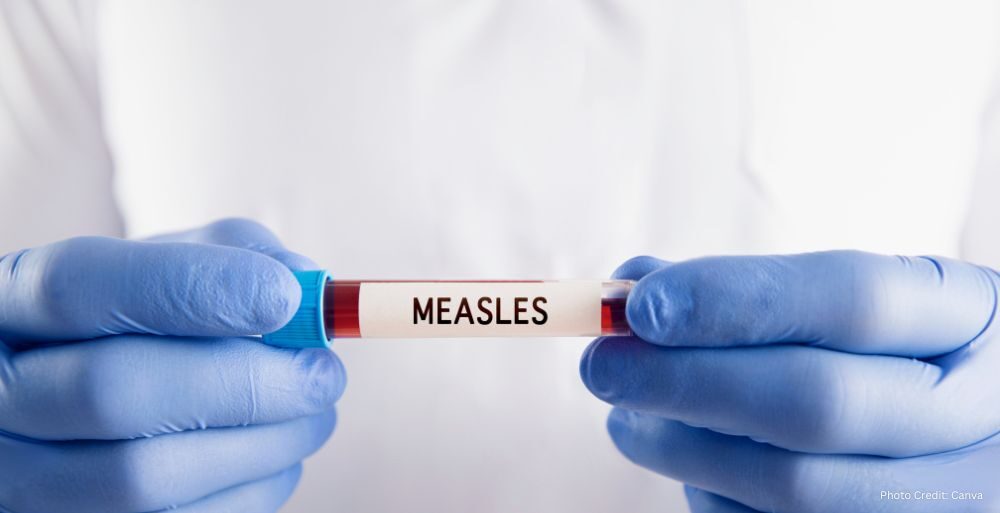
The Pan American Health Organization has issued an epidemiological alert as measles cases in the Americas skyrocket, with North American nations facing the potential loss of their disease-elimination status.
The Pan American Health Organization (PAHO) issued a critical epidemiological alert on Wednesday, February 4, 2026, following a dramatic resurgence of measles across the Americas. In the first three weeks of 2026 alone, the region recorded 1,031 confirmed cases—a staggering 43-fold increase compared to the same period in 2025. This surge is centered primarily in North America, where Mexico, the United States, and Canada are grappling with major outbreaks that threaten long-standing public health achievements. The alert underscores a growing regional crisis characterized by persistent immunization gaps and increased viral transmission in the lead-up to the 2026 FIFA World Cup.
Mexico currently leads the region in infections, reporting 740 cases in the first 21 days of the year following a year in which it saw over 6,400 cases. The state of Jalisco has emerged as the active epicenter, prompting local authorities to mandate face masks in schools and establish mobile vaccination clinics in high-traffic hubs. In Guadalajara, a key host city for the upcoming World Cup, health officials have intensified house-to-house immunization efforts as 93 percent of the state’s cases involve unvaccinated or under-vaccinated individuals. The outbreak in Mexico is largely traced back to a 2025 case in Chihuahua involving travel from a high-transmission region in Texas.
In the United States, the Centers for Disease Control and Prevention (CDC) reported 171 new cases in the first three weeks of 2026, building on a 2025 total of 2,242 cases—the highest in 34 years. The current domestic epicenter is South Carolina, specifically the Upstate region, where nearly 920 cases have been confirmed. Data from South Carolina health officials indicate that over 91 percent of those infected were unvaccinated. The surge has also begun crossing state lines, with North Carolina reporting its first measles-related hospitalization of the year this week. Public health experts warn that the U.S. is at a “turning point” that could see its measles-elimination status revoked for the first time since 2000.
Canada has already faced the most severe diplomatic health consequence, officially losing its measles-free status in November 2025. After recording more than 5,000 cases last year, the country failed to interrupt the chain of domestic transmission for the required 12-month period. PAHO has scheduled a virtual meeting for April 13, 2026, to formally review the elimination status of the United States and Mexico. The loss of such status would signify that the virus is once again spreading endogenously within these nations rather than being limited to isolated cases imported from abroad.
The regional response is currently complicated by significant shifts in international health cooperation. The United States officially withdrew from the World Health Organization (WHO)—PAHO’s parent agency—in January 2025, a move that has impacted funding and cross-border data sharing. Despite this withdrawal, regional health ministers have requested a two-month extension from PAHO to contain current outbreaks before a final determination on their elimination status is made. Health advocates argue that the lack of a unified regional strategy, combined with the U.S. disengagement from WHO protocols, has created a fragmented defense against the highly contagious airborne virus.
A primary concern for health officials is the 2026 FIFA World Cup, set to be hosted jointly by the three affected nations this summer. With hundreds of thousands of international fans expected to travel between host cities like Guadalajara, Toronto, and various U.S. venues, the risk of mass-exposure events is high. PAHO has urged host nations to implement active case-finding and rigorous vaccination checks for travelers to prevent the tournament from becoming a global “super-spreader” event. The agency noted that measles can infect up to nine out of ten unvaccinated individuals exposed to the virus, making the 95 percent vaccination threshold critical for herd immunity.
Current regional vaccination data remains below safety targets. While first-dose coverage for the measles, mumps, and rubella (MMR) vaccine saw a slight uptick to 89 percent in 2024, only 20 percent of countries in the Americas have reached the necessary 95 percent coverage for the second dose. In Mexico City, Mayor Clara Brugada launched 2,000 new vaccination modules this week, targeting busy transit corridors and subway stations. “Everyone under 49 years of age, please get vaccinated,” Brugada urged, highlighting the need to protect young adults who may have missed booster shots during previous decades of low viral circulation.
Medical professionals are particularly concerned about the impact on infants under one year of age, who currently show the highest incidence rates despite adolescents accounting for the largest total volume of cases. Measles can lead to severe complications, including pneumonia and encephalitis, a dangerous brain swelling that has already been reported in several pediatric cases in South Carolina this month. The recurrence of these complications serves as a stark reminder of the disease’s severity, which was largely forgotten by the public during the decades of successful elimination.
In response to the growing threat, the Mexican government has deployed 670 fixed vaccination centers and 40 mobile units specifically targeting major airports and bus terminals. Similarly, in the United States, health departments in the Carolinas are monitoring hundreds of individuals currently in quarantine following exposure at high-traffic retail locations. The strategy focuses on “ring vaccination”—immunizing those in the immediate vicinity of a confirmed case—to break the chain of transmission before it reaches wider communities.
As North America prepares for a summer of international attention, the measles surge remains a volatile variable. The ability of the U.S., Mexico, and Canada to coordinate their public health responses in the absence of full WHO integration will be a decisive factor in whether they can regain or maintain their “measles-free” designations. For now, the focus remains on closing the immunization gaps that have allowed a once-eliminated disease to return with such significant force across the continent.