







Health experts have renewed urgent calls for widespread HPV vaccination and routine cervical cancer screening, warning that the disease continues to claim the life of one woman every eight minutes in India—despite being one of the most preventable forms of cancer.
As January marks Cervical Cancer Awareness Month globally, doctors and public health specialists say the occasion highlights a troubling paradox: while medical science has provided effective tools to prevent cervical cancer, low awareness, social stigma, and inadequate screening infrastructure continue to keep mortality rates unacceptably high.
“Cervical cancer is not only treatable, it is largely preventable,” said a senior gynecologic oncologist at a leading government hospital. “Yet we are still losing thousands of women every year simply because prevention measures are not reaching them in time.”
A Preventable Cancer With a Heavy Toll
Cervical cancer is primarily caused by persistent infection with high-risk strains of the human papillomavirus (HPV), a common virus transmitted through skin-to-skin contact. While most HPV infections resolve naturally without causing harm, certain strains can lead to abnormal cell changes in the cervix, which may progress to cancer over time if left undetected.
Medical experts point out that cervical cancer usually develops slowly over 15 to 20 years, providing a long window for prevention and early intervention. However, in India, many women are diagnosed only at advanced stages, when treatment becomes more complex and survival rates drop significantly.
“In countries with strong vaccination and screening programs, cervical cancer deaths have fallen dramatically,” said a public health specialist involved in women’s cancer awareness campaigns. “India’s high mortality rate is not due to lack of technology, but lack of access and awareness.”
HPV Vaccination: A Powerful First Line of Defense
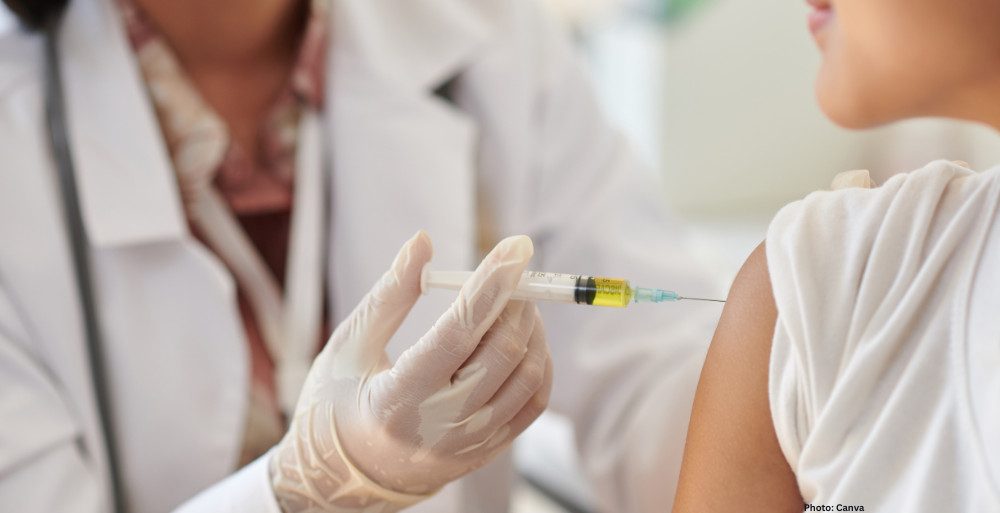
The HPV vaccine, available globally since 2006, is considered one of the most effective tools in preventing cervical cancer. It is recommended primarily for girls aged 9 to 14, who require two doses for optimal protection. Adolescents and young women who start vaccination later typically need three doses.
Doctors emphasize that the vaccine works best when administered before exposure to HPV, which is why early vaccination is critical. The vaccine has been extensively studied worldwide and is regarded as safe, with only mild and temporary side effects such as soreness at the injection site or low-grade fever.
“The fear around HPV vaccination is largely driven by misinformation,” said a senior obstetrician-gynecologist. “Decades of data show it is safe and highly effective.”
The World Health Organization (WHO) has also endorsed HPV vaccination as a cornerstone of cervical cancer elimination strategies, noting that even a single dose can offer long-term protection, particularly in low-resource settings.
Screening Saves Lives
Vaccination alone is not enough, experts caution. Regular screening plays a crucial role in detecting precancerous changes before they turn into cancer. Screening methods such as Pap smears and HPV DNA tests can identify early abnormalities, allowing for timely treatment.
“Screening is essential because cervical cancer is often silent in its early stages,” explained a cancer prevention specialist. “By the time symptoms appear, the disease may already be advanced.”
Doctors urge women to be vigilant about warning signs, which often emerge late and may include abnormal vaginal bleeding, unusual discharge, pelvic pain, or persistent back pain. Any such symptoms, they stress, should prompt immediate medical consultation.
Barriers Beyond Medicine
Experts say social and systemic barriers continue to undermine prevention efforts. Cultural discomfort around gynecological exams, lack of awareness in rural areas, and limited access to affordable screening facilities have slowed progress.
“There is still hesitation among families to vaccinate young girls because HPV is linked to sexual transmission,” said a women’s health advocate. “We need to shift the conversation toward cancer prevention and long-term health.”
Health professionals are calling for school-based vaccination programs, community outreach, and government-backed screening initiatives to ensure that preventive care reaches women across all socio-economic groups.
A Call to Action
With the tools to prevent cervical cancer already in hand, experts say the focus must now shift to implementation. Vaccination at the right age, combined with regular screening and early treatment, can prevent nearly all cervical cancer cases.
“Every death from cervical cancer today is a reminder of a missed opportunity,” said an oncologist. “If we act decisively, this is one cancer we can virtually eliminate.”
As Cervical Cancer Awareness Month draws attention to the issue, doctors hope the message reaches families, educators, and policymakers alike: prevention is possible, and saving lives begins with awareness, vaccination, and timely screening.