






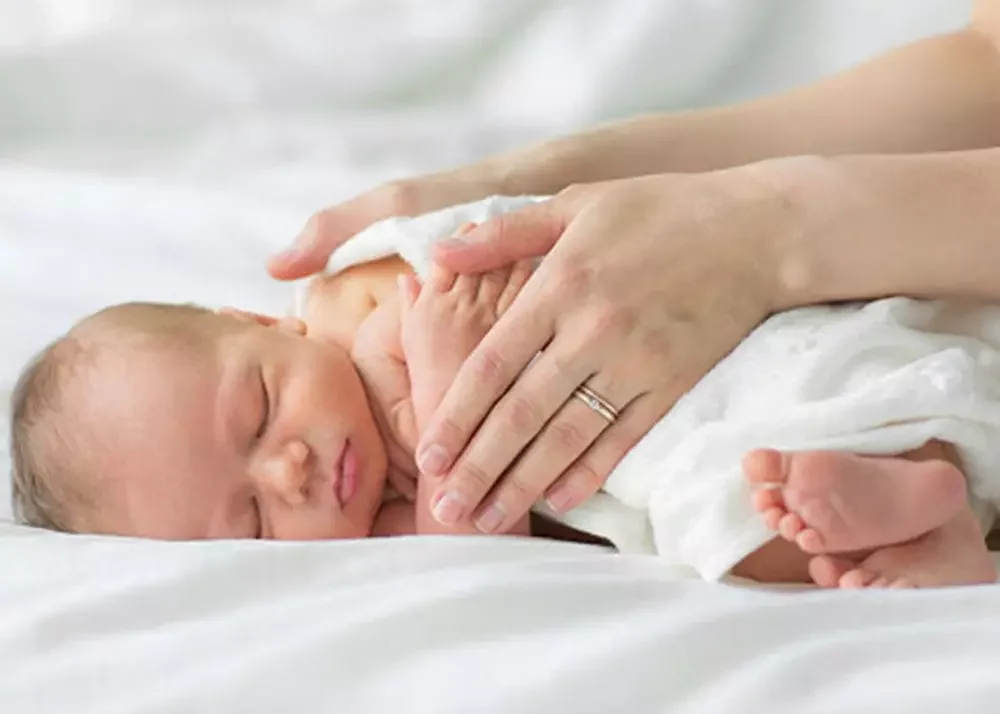
In a groundbreaking medical achievement that could reshape global obstetric practices, hospitals across South 24 Parganas and Kolkata have reported zero maternal and newborn deaths in more than 9,000 deliveries—thanks to an innovative approach known as extended umbilical cord clamping.
Launched six months ago across seven hospitals, including Canning, this initiative delays cutting the umbilical cord until after the placenta is fully delivered—typically four to ten minutes after birth. Once met with skepticism, the practice has now produced results so remarkable that it is being hailed as a transformational leap in newborn and maternal care.
A Simple Change With Extraordinary Results
Under this new protocol, newborns are kept on the mother’s chest immediately after delivery, maintaining warmth and encouraging natural bonding while the placenta continues to transfer oxygen-rich blood, stem cells, and vital nutrients through the intact umbilical cord.
The real-world outcomes have stunned clinicians:
- Zero maternal or newborn deaths across 9,000 deliveries
- 82% reduction in the need for phototherapy for neonatal jaundice
- No newborn required ventilator support
- Postpartum hemorrhage in mothers reduced to near zero
- Premature infants now receive oxygen support while still connected to the cord via a specialized intact cord resuscitation trolley
These outcomes suggest that a natural, low-cost intervention can dramatically improve survival rates and long-term health outcomes.
Restoring Nature’s Design
Renowned neonatologist Dr. Arun Singh described the practice as a return to biology’s original blueprint.
“We have simply restored nature’s own process. South 24 Parganas has set an example for the entire world,” Dr. Singh said.
By allowing the placenta to complete its role after birth, babies receive an extra transfusion of blood and immune-supporting stem cells, which strengthens immunity, reduces breathing complications, enhances oxygen delivery, and supports healthier brain development.
Impact on Premature and High-Risk Infants
The benefits have been especially striking for premature babies. At Kolkata Medical College, hospital officials report that:
- Mortality among infants born before 32 weeks has been reduced by half
The use of intact cord resuscitation trolleys allows medical teams to begin respiratory support without severing the cord, ensuring continued placental blood flow during the most critical early moments of life.
Rapid Expansion Across West Bengal
Encouraged by these outcomes, the practice is now spreading across major healthcare institutions, including:
- Hospitals in Canning, South 24 Parganas
- Chittaranjan Seva Sadan
- Kolkata Medical College
- Multiple other government and medical college hospitals across West Bengal
Health authorities view this as a scalable, sustainable model—one that requires minimal infrastructure investment but delivers maximum lifesaving impact.
Why Extended Cord Clamping Works
Medical experts explain that the approach strengthens both mother and child by:
- Allowing extra blood volume to flow into the newborn
- Boosting iron stores, reducing anemia and jaundice
- Improving lung function and reducing respiratory distress
- Supporting neurological and cognitive development
- Reducing maternal bleeding after delivery
- Promoting early bonding and breastfeeding through skin-to-skin contact
In essence, the practice harnesses the placenta’s natural life-support function rather than interrupting it prematurely.
A Medical Milestone From India to the World
What began as a regional pilot has now become a global case study in innovation through simplicity. With 9,000 births and zero deaths, healthcare leaders are calling it a historic public health success—one that challenges long-standing delivery room conventions.
This breakthrough positions West Bengal at the forefront of maternal and neonatal innovation, proving that sometimes the future of medicine lies in restoring what nature always intended.
Nine thousand deliveries. Zero deaths.
A quiet revolution in childbirth—born in India, and poised to change the world.


