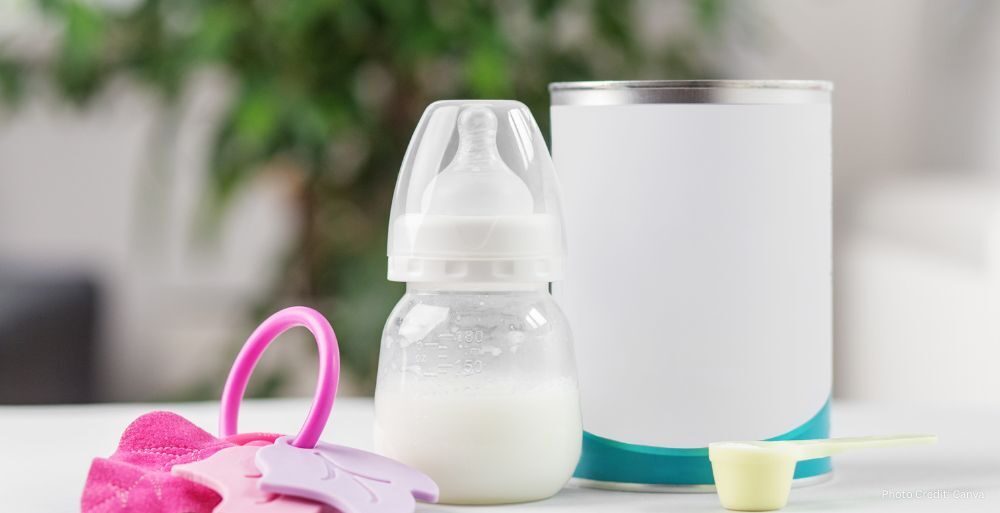









Global dairy manufacturers and startups are facing increased scrutiny as a drive to mimic the nutritional complexity of breast milk correlates with a rise in product contamination and systemic supply chain vulnerabilities. Recent investigations highlight that the addition of lab-grown fatty acids and bioactive compounds—intended to align formula with medical guidelines and consumer expectations—is lengthening supply chains and shifting safety risks to third-party ingredient suppliers who often operate under less direct regulatory oversight than final-stage manufacturers.
In the first quarter of 2026, a massive recall involving Nestlé SA, Danone SA, and Lactalis has affected over 60 countries following the detection of cereulide, a toxin produced by Bacillus cereus. Analysts estimate the financial exposure for Nestlé alone could reach $1.3 billion, a figure that significantly exceeds initial company estimates. The contamination was traced back to a Dutch supplier of arachidonic acid (ARA) oil, an optional ingredient used to market products as being \”closer to breast milk.\”
The U.S. Food and Drug Administration and international health authorities are also investigating a separate spike in hospitalizations and infant deaths. In the United States, the startup ByHeart Inc. issued a recall due to potential Clostridium botulinum contamination, while authorities in France are investigating the deaths of two infants linked to potentially contaminated batches. Unlike standard pathogens, toxins like cereulide cannot be destroyed by heat or removed through standard filtration, necessitating total product destruction and exhaustive facility decontamination.
Public health experts warn that the industry\’s focus on \”nutritional innovation\” may be introducing unnecessary biological hazards. While human milk contains thousands of interacting bioactive compounds, formula manufacturers typically add these nutrients in isolation. Critics argue this practice serves primarily as a marketing tool to justify premium pricing, as the added ingredients often offer limited proven benefits while creating new points of failure in the production process.
\”The industry\’s self-regulation is not working very well and is having devastating consequences for a small number of babies,\” stated Bob Boyle, a physician and researcher in pediatrics at Imperial College London.