









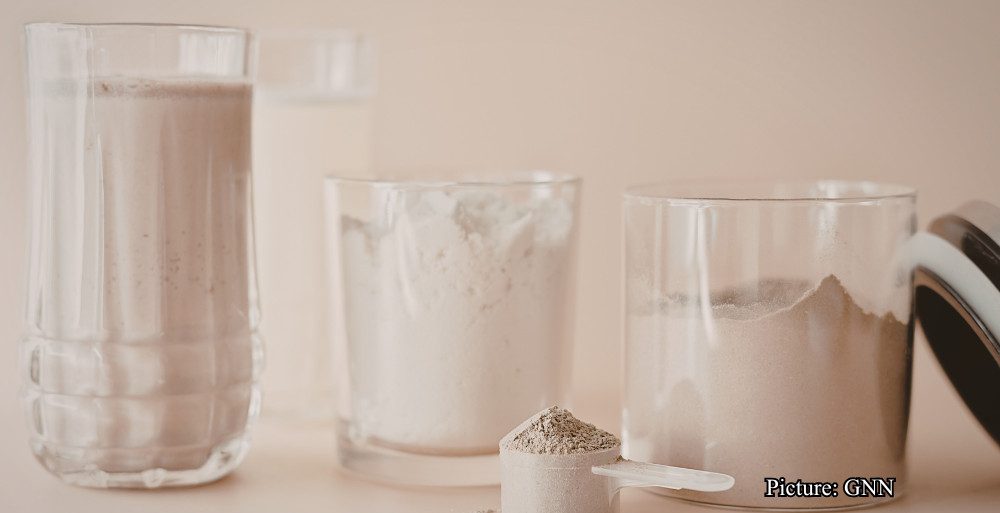
In the modern quest for health and fitness, protein has emerged as a pivotal nutrient, essential for muscle building, weight management, and overall well-being. While protein powders have dominated the market, an increasing number of consumers are seeking natural, whole-food sources of protein, particularly in beverages.
In recent years, protein has become the darling of the nutritional world, touted for its role in muscle building, weight management, and overall health. But while protein powders reign supreme in the fitness aisles, there is a growing demand for more natural, whole-food sources. This trend is particularly evident in the beverage industry, where consumers are increasingly seeking drinks that deliver protein without the need for supplements.
Protein is a macronutrient that is crucial for building muscle mass. It is commonly found in animal products, though it is also present in other sources, such as nuts and legumes. For those who are on the go, beverages that pack a protein punch offer a convenient and often delicious way to meet daily protein requirements. This shift towards protein-rich beverages is not just a passing fad but a reflection of a larger movement towards health-conscious consumption.
One of the standout beverages in this category is milk, which has long been a staple in diets around the world. With approximately 8 grams of protein per cup, milk is a rich source of high-quality protein. It contains all nine essential amino acids, making it a complete protein. Moreover, milk is an excellent source of calcium and vitamin D, nutrients that are vital for bone health. Despite its benefits, milk consumption has declined in recent years, largely due to the rise of plant-based alternatives and lactose intolerance concerns.
Speaking of plant-based alternatives, soy milk is a popular choice for those seeking a non-dairy protein source. With about 7 grams of protein per cup, soy milk rivals its dairy counterpart in protein content. It is also rich in vitamins and minerals, including potassium, magnesium, and vitamin B12. Soy milk is particularly favored by vegans and those with lactose intolerance, offering a creamy texture and a slightly nutty flavor that complements both sweet and savory dishes.
Another player in the protein beverage arena is kefir, a fermented milk drink that is packed with probiotics and protein. With around 9 grams of protein per cup, kefir not only supports muscle health but also promotes gut health, thanks to its probiotic content. This tangy drink, traditionally made from cow’s milk, can also be found in non-dairy versions made from coconut or almond milk, catering to a broader audience.
For those who prefer a more exotic option, lassi, a traditional Indian yogurt drink, offers a refreshing way to boost protein intake. Lassi is typically made by blending yogurt with water, spices, and sometimes fruit. A serving of lassi can contain up to 8 grams of protein, depending on the yogurt used. This drink is not only a protein powerhouse but also aids digestion due to the probiotics in yogurt.
Looking towards the plant kingdom, pea milk is gaining traction as a sustainable and protein-rich beverage. Derived from yellow peas, this milk alternative provides about 8 grams of protein per cup, making it comparable to dairy milk. Pea milk is also an environmentally friendly option, as peas require less water and fertilizer than other crops. With a neutral taste and creamy consistency, pea milk is versatile enough to be used in both cooking and baking.
For a more indulgent option, chocolate milk offers a post-workout treat that is both delicious and nutritious. With 8 grams of protein per cup, chocolate milk provides the perfect balance of carbohydrates and protein, making it an ideal recovery drink. The sugar content in chocolate milk helps replenish glycogen stores, while the protein aids in muscle repair. This classic beverage has been a favorite among athletes for decades, and its popularity shows no signs of waning.
Finally, almond milk, while not as protein-rich as the other options, deserves a mention for its versatility and nutritional profile. With about 1 gram of protein per cup, almond milk is lower in protein but is often fortified with vitamins and minerals, including vitamin E and calcium. It is a popular choice for those who prefer a lighter, nutty flavor and is widely used in smoothies and coffee drinks.
The rise of protein-rich beverages reflects a broader trend towards health and wellness. As consumers become more informed about their nutritional needs, the demand for convenient, whole-food protein sources will likely continue to grow. These beverages not only offer a practical way to meet protein requirements but also cater to a variety of dietary preferences and lifestyles. Whether you are a fitness enthusiast, a busy professional, or simply someone looking to improve your diet, these protein-packed drinks offer something for everyone.