

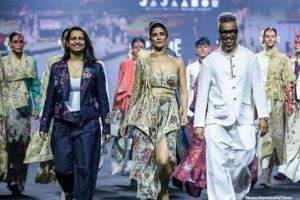



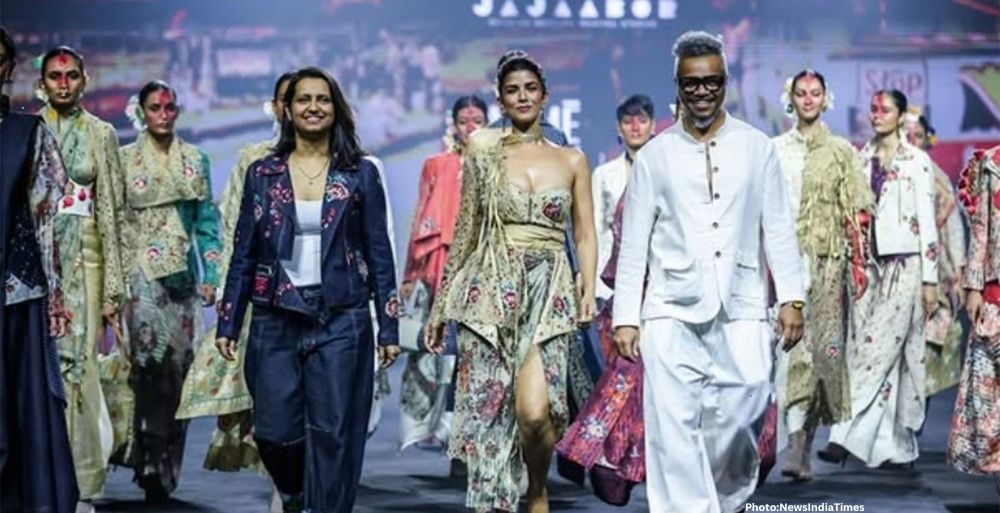
Nimrat Kaur served as the showstopper for designer label Jajaabor at the Lakme Fashion Week x FDCI, presenting an Indo-fusion ensemble that marries traditional craftsmanship with modern aesthetics.
Mumbai, March 21, 2026: In a striking display of style and cultural resonance, actor Nimrat Kaur took center stage as the showstopper for the designer label ‘Jajaabor,’ crafted by Neelanjan Ghosh and Kanika Sachdev, during the Lakme Fashion Week x FDCI. The event is renowned for showcasing the vibrant and evolving landscape of Indian fashion, and Kaur’s appearance highlighted the intricate relationship between tradition and contemporary design.
Wearing a gold Jamdani-inspired corset paired with a deconstructed single-sleeve cutwork jacket and a flowing draped skirt, Kaur’s ensemble was not just a fashion statement but a celebration of heritage textiles integrated seamlessly with modern silhouettes. The use of Jamdani weaving, a traditional technique originating from Bengal, in her attire reflects a growing trend in the fashion industry to honor and promote Indian craftsmanship while appealing to contemporary sensibilities.
Fashion as Individual Expression
In an interview with ANI, Kaur elaborated on her views regarding fashion, emphasizing the importance of authenticity and comfort. She stated, “Fashion for me is staying true to yourself, your body type, and the climate you live in, and trying to be original and remaining original.” This perspective underscores a significant shift in the fashion narrative, where individuality is increasingly prioritized over conformity to transient trends.
Kaur’s insights resonate deeply in today’s fashion landscape, where the demand for authenticity has grown among consumers who seek to express their personal identities rather than simply follow prevailing styles. This sentiment reflects a broader movement within the fashion industry, encouraging designers and brands to embrace unique narratives that celebrate diversity and individual stories.
Recent Work and Personal Reflections
Beyond her role in fashion, Kaur is also recognized for her acting prowess, particularly in her recent performance in the acclaimed series ‘The Family Man 3.’ Discussing her experience, she expressed enthusiasm for portraying a character that diverged from her usual roles, stating, “I really had a great time working on it. It was wonderful.” This remark highlights her versatility as an actress and her willingness to explore complex narratives in her work.
In addition to her professional endeavors, Kaur shared a personal reflection on celebrating her birthday in Varanasi, a city steeped in cultural significance. She recounted the experience of spending her special day at the Kashi Vishwanath temple, describing it as “beautiful” and marking her first visit to the historic city. This anecdote not only provides a glimpse into her personal life but also emphasizes the profound connection between cultural experiences and individual identity.
A Multi-Designer Showcase
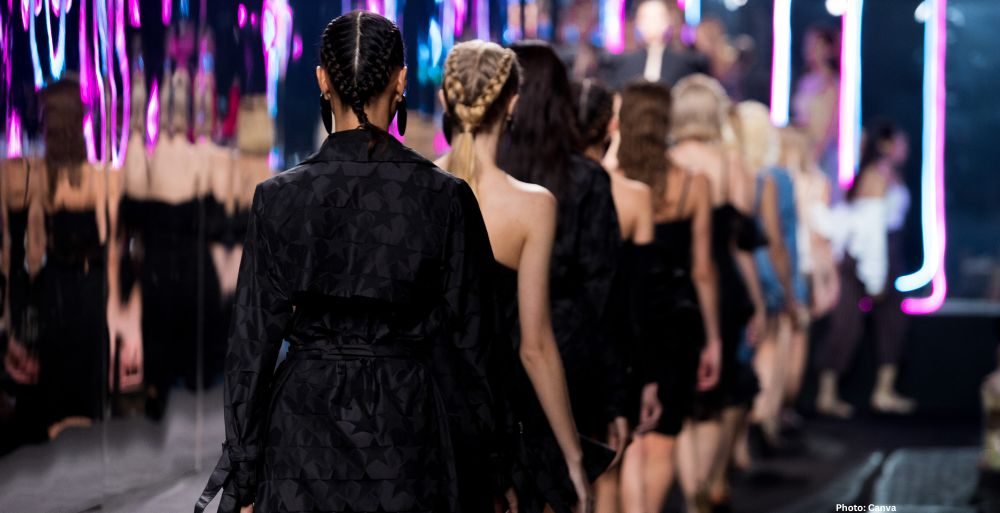
The multi-designer showcase at Lakme Fashion Week x FDCI featured an array of collections from various designers, including Triune by Prasoon Sharma, Jajaabor by Neelanjan Ghosh and Kanika Sachdev, and Line Outline by Deepit Chugh. Each collection presented unique narratives that were inspired by personal journeys, cultural memory, and urban influences, reflecting the diversity and richness of Indian fashion.
Jajaabor’s collection, titled ‘Calcutta • Kolkata,’ paid homage to the evolving identity of the city, embodying Bengal’s textile heritage while incorporating modern silhouettes that resonate with contemporary audiences. Kaur’s role as the showstopper added a layer of star power to the presentation, drawing attention to the harmonious blending of craft and design that defines the collection.
Implications for the Fashion Industry
As Lakme Fashion Week continues to serve as a pivotal platform for showcasing the best of Indian fashion, Kaur’s participation exemplifies the intersection of tradition and modernity. Her commitment to authenticity in fashion resonates with a growing movement among consumers and designers alike, emphasizing personal expression and cultural heritage in an industry often criticized for its fast-paced and trend-driven nature.
The recognition of traditional techniques like Jamdani weaving within high fashion not only supports local artisans but also fosters a deeper appreciation for India’s rich textile heritage. This trend reflects a broader consumer shift towards sustainable fashion practices, where the demand for ethically produced and culturally significant garments is on the rise.
Furthermore, the focus on individuality in fashion, as articulated by Kaur, suggests a potential recalibration of industry standards, encouraging brands to prioritize unique storytelling over uniformity. As the fashion landscape continues to evolve, the integration of personal narratives and cultural significance will likely define the future of design, making events like Lakme Fashion Week crucial in shaping these dialogues.
In summary, Nimrat Kaur’s role as a showstopper at Lakme Fashion Week x FDCI not only highlighted her personal style but also underscored a significant cultural conversation about authenticity, heritage, and the future of fashion in India. As the industry navigates the complexities of modern consumerism, the fusion of tradition and innovation will remain at the forefront of its evolution.