






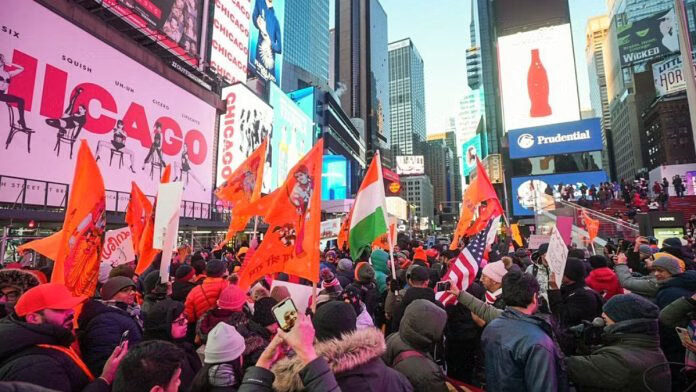
Lonavala, August 2025 – For decades, the Indian diaspora in the United States has been celebrated as a pillar of strength in the relationship between New Delhi and Washington. Their contributions in technology, business, medicine, and academia have often been highlighted as symbols of India’s soft power. But voices are emerging that caution against assuming this influence will remain an unqualified asset.
Observers note a shifting political climate in the United States. While Indian-origin professionals and CEOs have gained prominence in Silicon Valley, Wall Street, and beyond, the attention on their success stories may also be sowing envy and resentment among sections of the American public. This could, in time, translate into political headwinds, ranging from stricter visa policies to renewed debates on immigration.
The Strategic Context
Comparisons are frequently drawn with other global powers. Leaders such as Xi Jinping, Vladimir Putin, and Narendra Modi consistently communicate in their national languages, underlining independence from Western cultural influence. In contrast, European leaders often operate comfortably in English, a fact critics interpret as symbolic of subservience to Washington.
China’s manufacturing dominance and Russia’s military arsenal give them bargaining power with the West. India, however, is perceived as having fewer strategic levers. Analysts like Ashley Tellis argue that New Delhi should embrace a closer, even subordinate, alignment with the United States. Others, such as Peter Navarro, have recommended that India reduce diversification in defense procurement and rely more heavily on American suppliers, even at the cost of self-reliance.
Risks for the Diaspora
The Indian diaspora, until now seen as a strategic advantage, may face challenges in this changing environment. A political turn against immigration could jeopardize the status of H-1B workers, delay green card approvals, or tighten citizenship rules. Such changes can occur rapidly in the US, where legislative shifts often produce sweeping outcomes—as seen with the landmark 1965 immigration reforms that transformed Indian-American demographics.
A Need for Caution
Experts suggest India recalibrate its approach. Rather than projecting itself as a rising global economic power, India may be better served by a quieter strategy—highlighting grassroots goodwill, engaging at local levels across the US, and avoiding excessive celebration of diaspora success stories. Drawing parallels with China’s patient and understated rise, some believe India should also “lie low” while strengthening its long-term capabilities.
For the Indian community in America, this could mean greater prudence in public narratives and a focus on building bridges with broader American society, not just political elites in Washington.
The ground realities, analysts warn, are shifting. The Indian diaspora will continue to matter—but how it is perceived, and how India manages that perception, could determine whether it remains an enduring asset or becomes a source of vulnerability in bilateral ties.