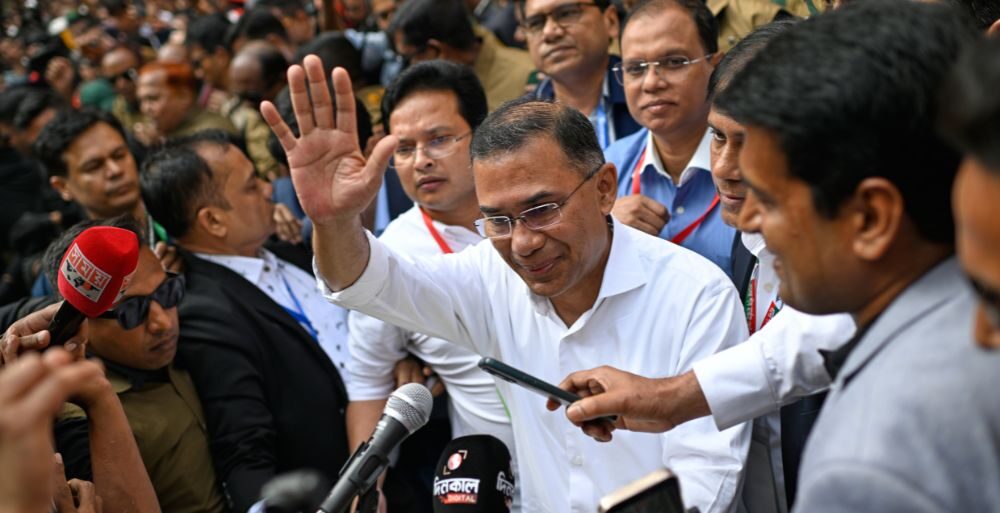







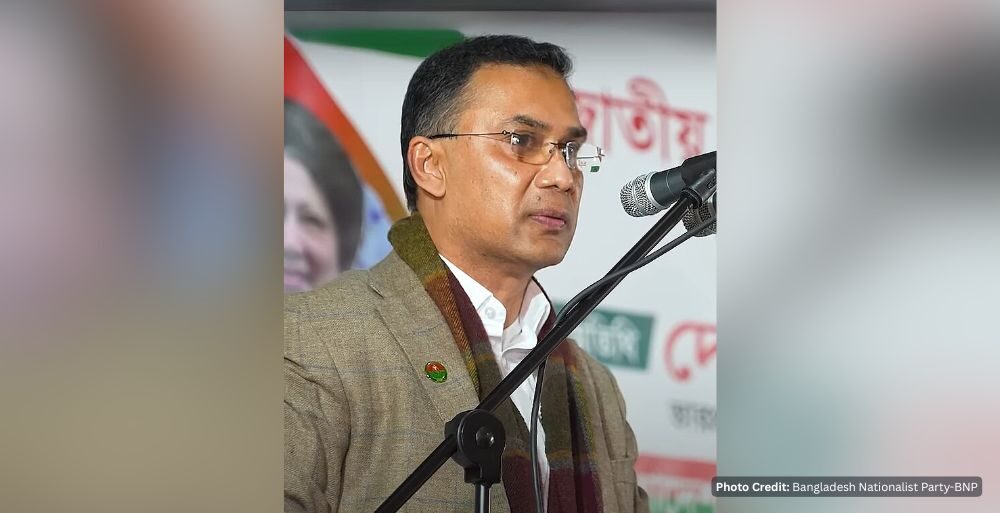
Tarique Rahman, the 60-year-old chairman of the Bangladesh Nationalist Party (BNP), is poised to become the next Prime Minister of Bangladesh after his party secured a decisive mandate in the February 12 general elections. The BNP-led coalition reportedly won 209 of the 300 seats in the Jatiya Sangsad, marking the first national vote since the August 2024 student-led uprising that ended the 15-year rule of Sheikh Hasina. Rahman, who returned to Dhaka on December 25, 2025, after 17 years of self-imposed exile in London, is expected to be sworn in on February 17, 2026.
The prime minister-designate inherits a nation facing significant economic headwinds, including high inflation and a youth unemployment rate of approximately 14%. During his campaign, Rahman pledged to dismantle the \”monarchical\” executive powers of the premiership, proposing to strengthen the judiciary and implement a two-term limit for the head of government. His policy platform, titled the \”Bangladesh First\” doctrine, includes populist measures such as \”family cards\” providing monthly cash handouts to five million low-income households and expanded agricultural subsidies.
Rahman’s political rise follows a total reversal of his legal fortunes. Previously convicted in absentia on charges of corruption and a 2004 grenade attack targeting Sheikh Hasina, he maintained that the prosecutions were politically motivated. Following the collapse of the Awami League administration, Bangladeshi courts overturned these convictions in 2024, facilitating his return. He assumed the full chairmanship of the BNP on January 9, 2026, shortly after the death of his mother, former Prime Minister Khaleda Zia, who had led the party for over three decades.
The incoming administration signaled a shift in regional diplomacy, with Indian External Affairs Minister S. Jaishankar meeting Rahman in Dhaka to discuss a \”new beginning\” in bilateral ties. To address domestic and international concerns regarding political stability, Rahman has sought to distance the BNP from its former Islamist ally, Jamaat-e-Islami, which emerged as the second-largest party in the polls with 68 seats.
\”It is time for us all to build the country together. We want to build a safe Bangladesh where every citizen, regardless of gender or age, can leave their homes safely and return safely.\”