








Every year, Republic Day evokes a powerful sense of pride, unity, and patriotism across India. The tricolor waves high, ceremonial parades command national attention, and millions of citizens pause to reflect on the country’s democratic journey. But occasionally, amid the familiar pageantry, a moment arrives that quietly reshapes history. This year, such a milestone is unfolding — one that brings together cinema, culture, and national identity in an unprecedented way.
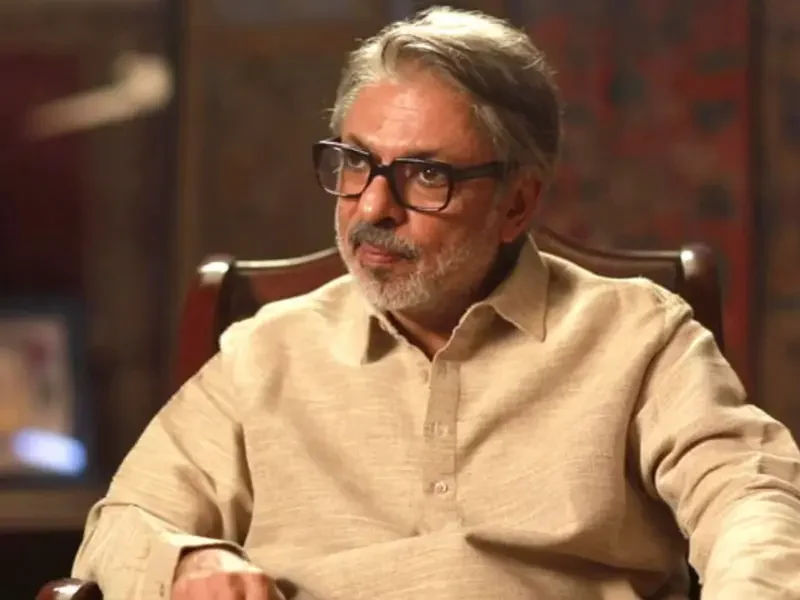
For the first time in the history of the Republic Day Parade, Indian cinema will be officially represented by a filmmaker — and that honor belongs to Sanjay Leela Bhansali, one of the most celebrated and visually distinctive directors in Indian film history.
In a landmark cultural initiative, the Ministry of Information and Broadcasting has collaborated with Bhansali to present a special tableau dedicated to Indian cinema at the Republic Day Parade, scheduled to take place on January 26 at Kartavya Path.
This marks the first-ever instance of an Indian film director representing Indian cinema at a national ceremonial event of this stature, making it a proud and symbolic milestone not just for Bollywood, but for the broader creative and cultural ecosystem of the country.
A Defining Moment for Indian Cinema
Indian cinema has long been one of the nation’s strongest cultural ambassadors — shaping emotions, influencing social narratives, and projecting India’s voice on a global stage. From classic storytelling traditions to modern global blockbusters, films have carried Indian heritage, music, art, and identity far beyond borders.
This year’s tableau seeks to celebrate the cultural richness, creative excellence, and global influence of Indian cinema, recognizing it as an art form that reflects India’s evolving spirit and soft power.
A source close to the initiative described the moment as historic, saying:
“For the first time ever, a true flag-bearer of Indian cinema, Sanjay Leela Bhansali, will represent Indian cinema at the Republic Day Parade. This historic honor marks a defining chapter for Indian cinema and is set to create strong national momentum. There could be no better representative for this moment than Sanjay Leela Bhansali.”
The representation symbolizes not only artistic excellence but also national recognition of cinema as a pillar of India’s cultural identity.
Why Sanjay Leela Bhansali Is the Ideal Choice
Over the decades, Bhansali has carved a unique and unmistakable signature in Indian filmmaking. Known for his opulent visuals, emotionally layered storytelling, rich music, and grand cinematic scale, his work bridges tradition and modernity with rare finesse.
From Hum Dil De Chuke Sanam and Devdas to Black, Bajirao Mastani, Padmaavat, and Gangubai Kathiawadi, Bhansali’s films have consistently explored themes of love, sacrifice, identity, resilience, and cultural pride — all wrapped in meticulously crafted cinematic worlds.
His storytelling style is rooted in discipline, passion, artistic perfection, and reverence for Indian heritage — qualities that align seamlessly with the spirit of Republic Day, which celebrates India’s constitutional values, history, and national unity.
Beyond domestic success, Bhansali’s films have earned international acclaim, finding audiences at global film festivals and international markets. His work reflects India’s artistic sophistication on a world stage, reinforcing why he stands as a fitting representative of Indian cinema at this historic event.
Cinema Meets National Pride
This initiative signals a broader recognition of cinema’s role in shaping national identity. Films do more than entertain — they preserve history, amplify voices, inspire patriotism, and reflect societal change. By bringing Indian cinema to the Republic Day Parade, the government acknowledges the power of storytelling as a cultural and emotional force.
With this milestone, Indian cinema gains a powerful presence on one of the nation’s most symbolic platforms, transforming Republic Day 2026 into not just a celebration of democracy, but also a tribute to artistic heritage.
As India honors its past and looks toward the future, this moment stands as a reminder that stories — especially those told through cinema — remain one of the country’s strongest instruments of cultural unity and global influence.