

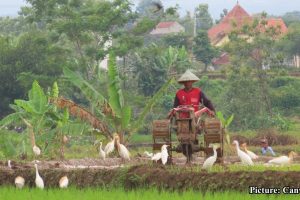








Recent research underscores the potential of Indigenous farming methods as viable alternatives to modern agricultural systems, which are increasingly threatened by climate change.
As climate change continues to pose significant challenges to global agriculture, Indigenous farming practices are gaining renewed attention as potential solutions. A recent study published in the journal Frontiers in Sustainable Food Systems investigates how traditional agricultural methods—such as intercropping maize, beans, and squash—can enhance soil health, preserve biodiversity, and uphold Indigenous ecological knowledge, known as traditional ecological knowledge (TEK).
The study, led by Kamaljit Sangha, a researcher in ecological economics at Charles Darwin University, seeks to explore the scalability and economic viability of these Indigenous practices in contrast to mainstream agricultural systems. Sangha expressed concern over the current metrics used to assess the value of these food systems, stating, “How do we take it from the perspective where there are holistic and multiple values [of Indigenous farming], which are mostly hidden in the current way of measuring the importance of these food systems?” This inquiry highlights the necessity for a more nuanced understanding of how traditional agricultural methods can be integrated into larger production models.
Research Findings and Existing Gaps
The research team conducted a comprehensive review of 49 scholarly articles focusing on Indigenous peoples and local communities (IPLCs) and discovered a substantial gap in empirical evidence regarding the economic impact and scalability of Indigenous farming practices compared to conventional agriculture. While the existing literature often emphasizes the benefits of traditional practices, the study found a lack of quantitative data that could support their widespread adoption.
This study emerges at a pivotal moment when industrialized agricultural systems face increasing risks associated with climate change. Experts estimate that food production must increase by 35 to 56 percent by 2050 to feed a projected global population of 10 billion people, all while halting land clearing for agricultural use and minimizing environmental degradation. As average global temperatures rise, the impacts of climate change—such as reduced biodiversity and degraded soil health—are disrupting food security and Indigenous food systems alike. Currently, food systems are responsible for approximately 26 percent of global greenhouse gas emissions, which further exacerbates the pressing climate crisis.
Impact of Colonialism on Traditional Practices
Sangha’s study also emphasizes the lasting effects of colonialism on traditional farming practices. In nations like Australia, the food practices of Indigenous peoples have been significantly disrupted, leading to altered diets and a loss of critical knowledge needed for sustainable agriculture. Sangha remarked, “In countries like Australia, a lot of food practices Indigenous people have carried in the past have been severely impacted, and in many other countries as well.” The encroachment of mainstream agricultural systems has not only altered the diets of Indigenous communities but has also contributed to the deterioration of cultural practices essential for carrying forward sustainable farming traditions.
The authors of the study argue that rather than viewing Indigenous and modern farming systems as opposing forces, a collaborative approach is necessary to address the climate crisis effectively. By integrating insights from both practices, the resilience of agricultural systems can be enhanced, creating a sustainable food production model that respects both ecological and cultural values.
Economic Contributions of Indigenous Farming
The economic implications of Indigenous farming extend beyond traditional market transactions. The report highlights that IPLC farming systems contribute significant non-market benefits by reducing household expenditures on essentials such as food, medicine, fiber, and fuel. This underscores the potential of supporting Indigenous agriculture not only to alleviate economic pressures on communities but also to promote environmentally sustainable practices.
In 2024, the United Nations Global Biodiversity Framework Fund announced a commitment to allocate 20 percent of its resources to support IPLC initiatives aimed at improving land management and conserving biodiversity. However, the study points out that a global commitment to specifically fund efforts to preserve traditional food systems remains largely absent. This lack of targeted funding may hinder the potential for Indigenous farming practices to be recognized and adopted on a broader scale.
Call for Policy Support and Integration
In light of these findings, Sangha advocates for greater recognition of the non-monetary values associated with Indigenous food systems, which she argues are crucial for informed policy decision-making. She stated, “If we highlight these non-monetary values of these food systems, and they’re important for policy decision-making, we hope that this can attract more attention from policy decision-makers and governments to support these Indigenous peoples and local communities’ food systems.” This call for enhanced policy support reflects a growing recognition of the importance of integrating Indigenous knowledge into broader agricultural practices to build resilience against climate threats.
As the world confronts the stark realities of climate change, Sangha’s research serves as a compelling reminder of the need to reevaluate our agricultural practices. Bridging the gap between traditional and modern farming not only has the potential to improve food security but also plays a critical role in preserving essential cultural traditions and restoring ecological health. The move towards recognizing and incorporating Indigenous practices into conventional agricultural frameworks could represent a pivotal shift in how we address the complex challenges of food production in an era defined by climate uncertainty.