







Fossil fuels prioritized, renewables curtailed, and climate regulation rolled back in a year of sweeping change
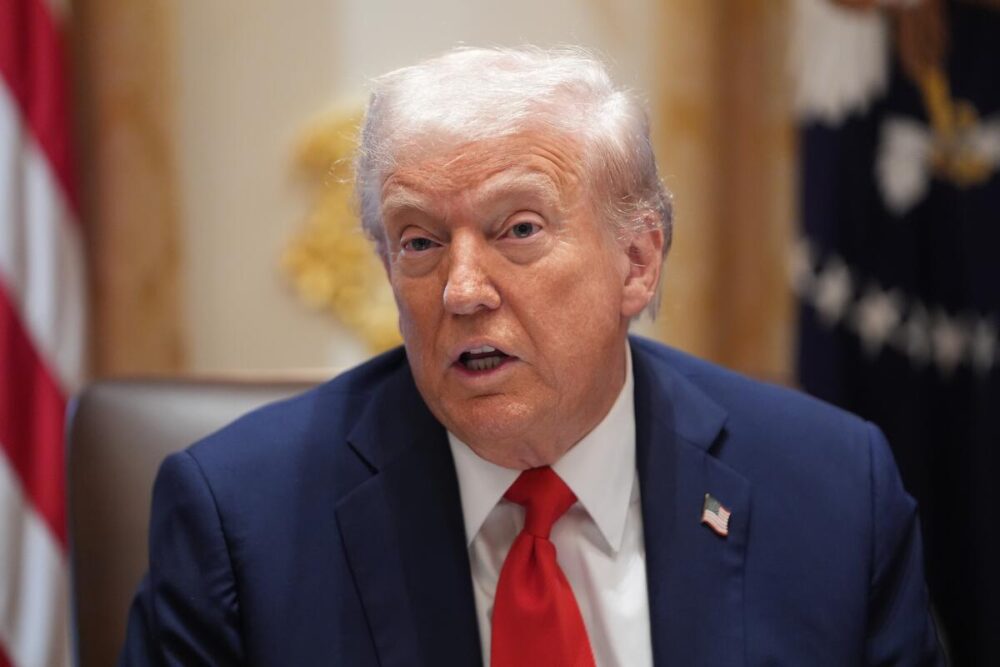
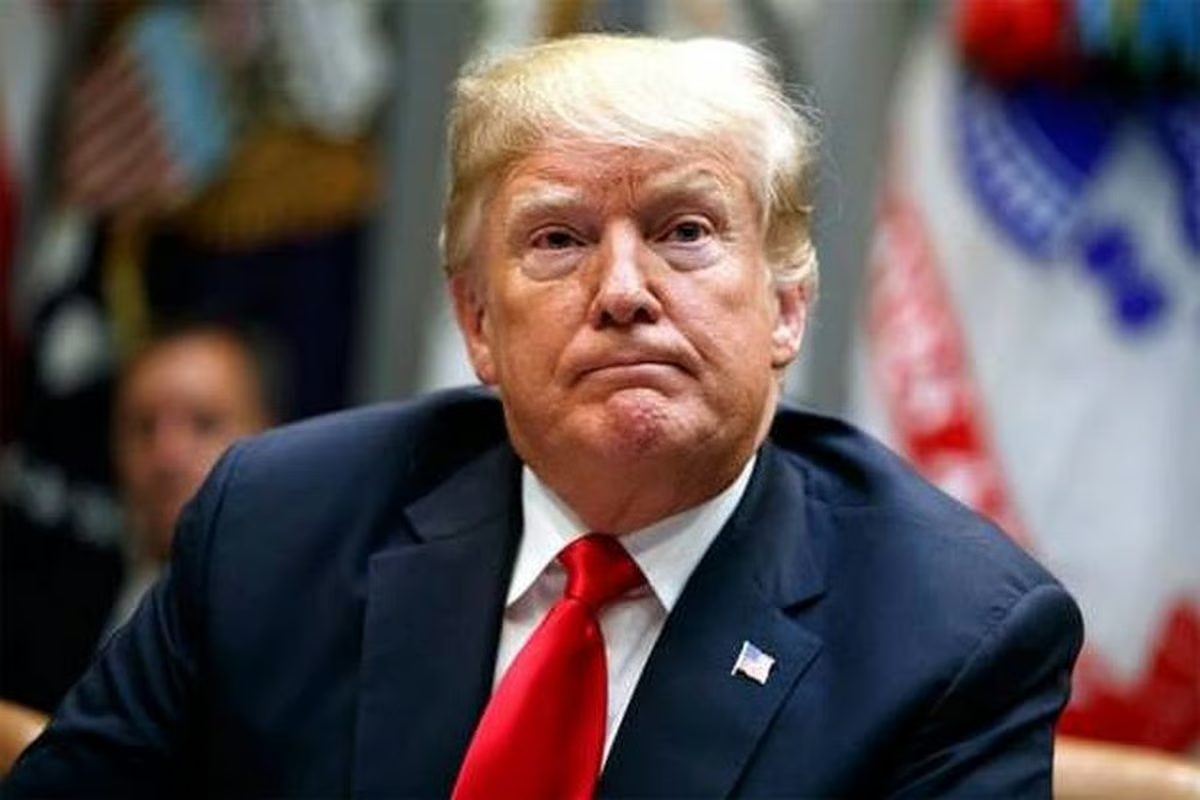
Since returning to the White House in January, Donald Trump has dramatically reoriented the United States’ energy and environmental agenda. The administration’s actions throughout 2025 reveal a clear and consistent theme: aggressive support for fossil fuels and nuclear energy, paired with a systematic rollback of renewable incentives, climate regulations, and environmental oversight.
Supporters argue the shift is restoring American energy dominance and cutting red tape. Critics warn it is undermining climate action, public health protections, and global environmental leadership.
All-in on fossil fuels and nuclear power
On his first day in office, Trump declared a national “energy emergency,” signaling a rapid pivot toward oil, gas, coal, and nuclear power. The move was framed as a way to accelerate domestic energy production and lower costs, but it also set the stage for sweeping deregulation.
That same day, Trump ordered a review of policies deemed to “burden the development of domestic energy resources” and directed agencies to expand drilling opportunities in Alaska. Since then, the administration has proposed loosening regulations on coal- and gas-fired power plants, including exemptions for dozens of coal facilities from stricter limits on mercury, lead, arsenic, and other toxic emissions.
The Interior Department also slashed timelines for environmental reviews of fossil fuel and mining projects on federal land, significantly reducing scrutiny under long-standing environmental laws. Meanwhile, limits on methane emissions from oil and gas drilling—one of the most potent contributors to climate change—were delayed, with officials openly discussing eliminating them altogether.
Trump’s team has also pursued a massive expansion of offshore oil and gas drilling, including proposals that would open waters off California and Florida. At the same time, the administration has pushed to dramatically increase exports of U.S. natural gas.
Nuclear energy has received similar backing. The administration has said it hopes to quadruple U.S. nuclear power generation, directing the Nuclear Regulatory Commission to shorten environmental review timelines for new reactors and reconsider radiation safety standards.
Renewables in the crosshairs
While fossil fuels surged ahead, renewable energy faced sustained headwinds. Trump moved early to block the federal government from auctioning new leases for wind farms on public lands and waters. Existing offshore wind permits were later halted, and by December, leases for five major offshore wind projects were suspended.
The administration’s sweeping tax legislation delivered another blow. The so-called “big, beautiful” tax bill sharply curtailed renewable energy tax credits unless projects begin construction within a year or come online by 2028. Credits for electric vehicles were also eliminated, dealing a significant setback to both the clean energy sector and U.S. climate goals.
Additional regulatory hurdles were introduced, subjecting solar and wind projects to heightened review processes that industry groups say will slow approvals and discourage investment. Agencies also began phasing out Biden-era subsidies for low-carbon energy, attempting to claw back billions earmarked for green projects at the Environmental Protection Agency and the Energy Department.
Climate deregulation and denial
The rollback extended beyond energy markets into the heart of U.S. climate policy. The EPA proposed repealing the 2009 “endangerment finding,” which established that greenhouse gases pose a threat to public health—a foundational pillar of federal climate regulation.
That proposal underpins broader efforts to weaken vehicle emissions and fuel efficiency standards. The Transportation Department moved to roll back efficiency rules, while the tax overhaul eliminated penalties for automakers that fail to meet them.
Meanwhile, the Energy Department released a controversial report authored by prominent climate skeptics that downplayed the severity of climate change. The report was later rebutted by leading climate scientists.
The administration also targeted climate research directly, dismissing contributors to the congressionally mandated National Climate Assessment and cutting contracts needed to complete it. In December, officials announced plans to dismantle a major climate research center in Colorado.
On the global stage, Trump initiated the U.S. withdrawal from the Paris Climate Agreement, set to take effect in 2026, and declined to send representatives to the COP30 climate summit in Brazil. The administration also sought to undermine international environmental efforts, including proposals for a global carbon levy on shipping.
Loosening environmental protections
Beyond climate, environmental safeguards across water, air, and chemical safety were loosened. Trump directed agencies to sunset large swaths of energy and environmental regulations by October 2026. The EPA proposed narrowing Clean Water Act protections and delaying compliance with new limits on “forever chemicals” in drinking water, scaling the rule back from six chemicals to just two.
Restrictions on hazardous air pollutants from energy, manufacturing, and chemical industries are also under review, along with worker safety standards at chemical plants. Earlier this year, more than 100 polluters were granted exemptions from pollution limits enacted under the previous administration.
Embracing AI, shrinking government
The administration has also embraced the rapid expansion of artificial intelligence infrastructure. Permitting for data centers has been fast-tracked through categorical exclusions that reduce environmental reviews, while agencies moved to accelerate grid connections and approve new industrial chemicals linked to AI development.
At the same time, Trump has aggressively reduced the federal workforce. Tens of thousands of employees accepted buyouts, while agencies including NOAA and the Interior Department laid off probationary staff. The EPA eliminated its Office of Research and Development and cut environmental justice teams, while the Department of Health and Human Services fired staff overseeing low-income energy assistance.
By late September, EPA staffing had fallen to just over 15,000 employees, down from more than 17,000 at the start of the year. Trump and Homeland Security Secretary Kristi Noem also floated eliminating Federal Emergency Management Agency, later softening their stance to “reform,” even as reports suggest its workforce could be cut in half.
A defining year
Taken together, 2025 marks one of the most consequential shifts in U.S. energy and environmental policy in decades. Trump’s supporters see a pro-growth agenda restoring American industry. Critics argue the long-term costs—to climate stability, public health, and global credibility—may far outweigh short-term gains.
As the effects of these policies unfold, their legacy is likely to shape U.S. environmental debates for years to come.