







Climate experts are sounding alarms over the potential for the El Niño phenomenon to contribute to unprecedented increases in global temperatures, with 2026 poised to become the hottest year on record.
The World Meteorological Organization (WMO) has issued a stark warning about the anticipated impacts of the El Niño climate pattern, which could lead to record-breaking global temperatures in 2026. This alert comes during a period when the world is already facing severe consequences from climate change, such as rising sea levels, extreme weather conditions, and loss of biodiversity.
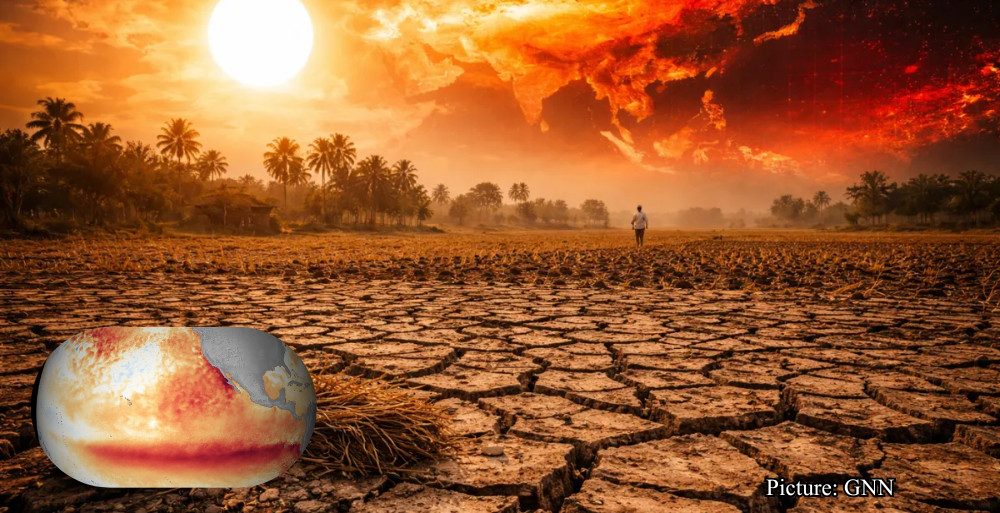
El Niño, which is characterized by periodic warming of ocean surface temperatures in the central and eastern Pacific, occurs every two to seven years and significantly affects global weather patterns. The current El Niño event began in late 2023 and is expected to peak in late 2024, with residual effects likely extending into 2025. According to the WMO, the combination of El Niño and ongoing climate change could potentially elevate global temperatures to unprecedented levels, possibly exceeding the previous record set in 2016.
Historical Context of El Niño Events
The 2016 El Niño was notably linked with a surge in global temperatures, resulting in an average increase of 1.2 degrees Celsius above pre-industrial levels. This historical precedent raises concerns that the forthcoming El Niño could similarly impact temperature trends, particularly against the backdrop of long-term global warming. The Intergovernmental Panel on Climate Change (IPCC) has indicated that human activities have already caused a rise in global temperatures by approximately 1.1 degrees Celsius since the late 19th century.
Recent assessments from the WMO suggest that if current trends persist, average global temperatures could rise by as much as 1.5 degrees Celsius above pre-industrial levels by 2026. Such an increase would have far-reaching consequences for weather patterns, agricultural output, and public health across the globe, exacerbating existing challenges posed by climate change.
Urgency of Climate Action
Given these alarming projections, climate experts are underscoring the critical need for governments worldwide to adopt robust climate policies aimed at curbing greenhouse gas emissions. The Paris Agreement, established in 2015, aims to limit global temperature increases to below 2 degrees Celsius, with a more ambitious target of keeping the increase under 1.5 degrees Celsius. However, recent evaluations suggest that current national commitments are insufficient to achieve these vital goals.
Dr. Petteri Taalas, Secretary-General of the WMO, emphasized the urgency of the situation, stating, “As we approach 2026, we must recognize that our climate is in crisis. The effects of El Niño will be compounded by the ongoing impacts of climate change, which means that we cannot afford to delay our actions any longer.” This perspective resonates among numerous climate scientists who advocate for immediate global cooperation to mitigate the severe impacts of rising temperatures.
The Role of Public Awareness and Adaptation
Public awareness of climate change and its associated risks is essential for fostering proactive measures. The WMO has called for enhanced educational and outreach initiatives aimed at informing communities about the potential effects of El Niño and broader climate change. Developing adaptation strategies—such as bolstering infrastructure resilience, investing in sustainable agricultural practices, and improving disaster preparedness—is crucial for equipping communities to navigate the anticipated climatic shifts.
In this context, governments and organizations are encouraged to collaborate with local populations to create tailored strategies that address the specific vulnerabilities of different regions. Such cooperative approaches are vital to ensuring that communities can effectively manage the challenges posed by extreme weather events and shifting climatic conditions.
Global Implications of Rising Temperatures
The forecasted impacts of El Niño on global temperatures not only highlight the immediate need for climate action but also underscore the potential for widespread ecological and socio-economic disruptions. Rising temperatures can lead to increased frequency and intensity of natural disasters, further straining public health systems and economic stability. Vulnerable populations, particularly in developing countries, are likely to face the most severe consequences due to limited resources and adaptive capacity.
Moreover, the anticipated increase in global temperatures could have cascading effects on international relations, particularly regarding resource allocation, migration patterns, and global trade. As nations grapple with the fallout from extreme weather events and shifting agricultural conditions, geopolitical tensions may rise, necessitating coordinated responses from the international community.
Conclusion
The projected effects of El Niño on global temperatures serve as a clarion call for immediate action on climate change. With 2026 potentially set to become the hottest year ever recorded, the implications for ecosystems, human health, and global stability are profound. As the world braces for the impacts of El Niño, it is critical that collective efforts are mobilized to tackle the root causes of climate change and to implement effective adaptation strategies that can withstand the challenges ahead.