








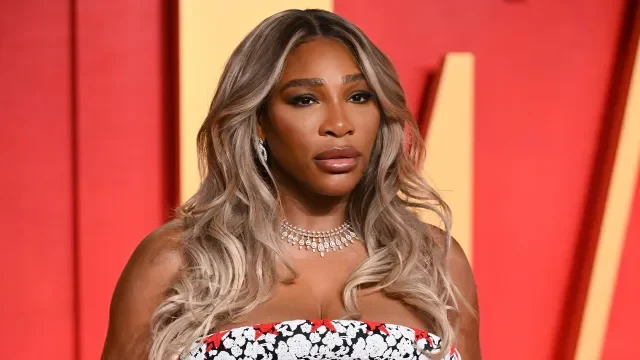
Serena Williams’ influence no longer stops at Grand Slam titles and championship trophies. Since stepping away from professional tennis in September 2022, the global sports icon has increasingly emerged as a formidable force in venture capital, backing startups that are reshaping industries—and creating billion-dollar companies along the way.
Williams has now invested in 14 companies that have achieved “unicorn” status, meaning they are privately held startups valued at $1 billion or more, according to her own estimates. The milestone underscores how her long-term strategy of investing early, particularly in women and underrepresented founders, is paying off at scale.
“I invest in a lot of companies, early companies, and I’ve always done this,” Williams said in a TikTok video. “I’ve actually been investing for over 14 years and just been an entrepreneur while I was playing tennis. It’s super important for me to make a plan B while I was doing my plan A.”
Serena Ventures: Investing With Purpose
Williams formalized her investing vision in 2014 with the launch of Serena Ventures, a venture capital firm designed to address one of Silicon Valley’s most persistent inequities: the lack of funding for women and founders of color.
According to the firm’s public disclosures, Serena Ventures’ portfolio today reflects that mission:
- 79% of founders are underrepresented
- 54% are women
- 47% are Black founders
- 11% are Latino founders
The fund was born out of Williams’ shock at learning how little venture capital flows to women-led startups.
“I learned that less than 2% of all VC money went to women,” she said. “When I first heard that, I actually thought it was a misquote. I thought, ‘We’re talking about trillions of dollars—what do you mean less than 2% goes to women?’”
She added that funding disparities were even more severe for people of color. “I also learned that even less went to people of color,” Williams said. “So I thought, ‘My goodness. I’m a Black woman. If my name wasn’t Serena Williams… I would have a fraction of a chance to get funding.’”
That realization, she said, cemented her determination to become part of the solution.
From Early Bets to Billion-Dollar Companies
To date, Williams has invested in more than 85 startups, both personally and through Serena Ventures. Of those, 14 have gone on to reach unicorn valuations, a remarkable hit rate in an industry where most startups fail.
Fortune defines a unicorn as a “privately held startup company with a valuation of $1 billion or more”—a category reserved for businesses considered highly innovative and capable of rapid growth.
Among Williams’ most notable investments is MasterClass, the education technology platform that connects users with celebrity-led courses. The company was valued at $2.75 billion in 2021, according to CNBC.
“I remember finding that company with like eight people in a small room in a garage in San Francisco,” Williams recalled. “I just fell in love with what they were building.”
Her portfolio also includes Impossible Foods, the plant-based meat substitute company; Noom, the digital health and weight-loss app; and Karat, a platform helping companies hire top engineering talent.
In healthcare and beauty tech, Williams has backed startups such as HUED, which connects patients of color with culturally competent healthcare providers, and Parfait, an AI-powered customizable wig platform—both founded by Black women.
Investing While Competing
What sets Williams apart in the venture capital world is that she built much of her portfolio while still dominating professional tennis. During a career that spanned more than two decades, she simultaneously studied pitch decks, met founders, and deployed capital—often between training sessions and tournaments.
Industry analysts say that early exposure to entrepreneurship and disciplined long-term thinking helped shape her investment approach. Like her tennis career, Williams favors preparation, patience, and conviction.
“Serena doesn’t invest for headlines,” said one startup founder backed by Serena Ventures. “She invests because she believes in people and products—and she stays committed.”
Redefining Power and Influence
Williams’ success as an investor reflects a broader shift among elite athletes who are leveraging their capital and platforms to shape business ecosystems. But unlike many celebrity investors, her strategy is deeply values-driven.
For Williams, the success of her 14 unicorns is not just a financial milestone—it is proof that diverse founders thrive when given access to capital.
“These companies are innovative and disruptive,” Williams has said. “And with the right support, they can change industries—and lives.”
As Serena Williams continues to expand her post-tennis legacy, one thing is clear: her impact on venture capital may ultimately rival her dominance on the court.