





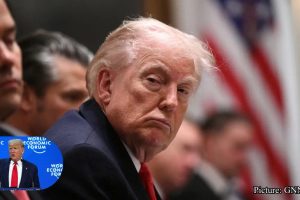
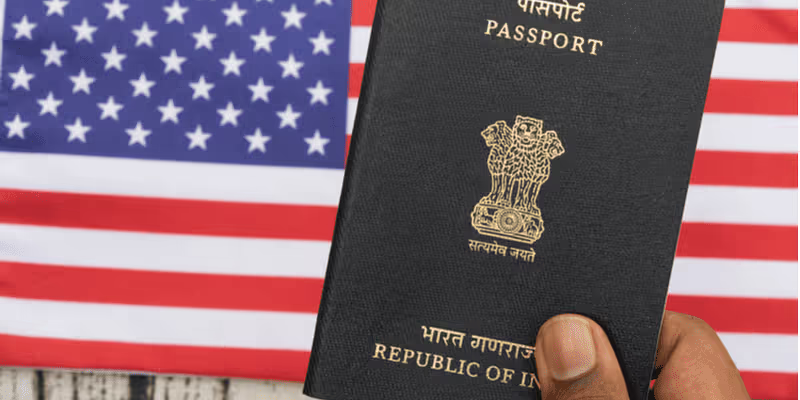
The rules governing who gets to study in the United States may soon undergo their most significant overhaul in years. As former President Donald Trump and his allies outline a renewed immigration agenda for 2026, proposed changes to student visa regulations are drawing sharp attention from universities, policymakers, and prospective students worldwide—particularly in India, now the largest source of international students in the U.S.
The proposals focus on tightening oversight of the three principal non-immigrant student visa categories: F-1 (academic studies), J-1 (exchange programmes), and M-1 (vocational training). While officials stress that the intent is not to bar foreign students, the direction of travel is unmistakable: stricter scrutiny, clearer intent requirements, and reduced post-study flexibility.
“This is about restoring system integrity,” said one policy adviser familiar with early discussions. “The U.S. wants genuine students who come to study, follow the rules, and leave on time—not individuals using education as a backdoor to permanent migration.”
Why Student Visas Are Back in the Political Spotlight
Student visas occupy a unique and often controversial position in U.S. immigration policy. Although legally temporary, they frequently serve as stepping stones to long-term employment through Optional Practical Training (OPT) or employer-sponsored work visas such as H-1B. Critics within Trump’s camp argue this blurs the boundary between education and immigration, undermining domestic job protections.
That argument has gained renewed momentum as immigration and border control once again dominate political debate ahead of the 2026 cycle. During Trump’s first term, international students faced heightened scrutiny, processing delays, and abrupt regulatory shifts—experiences that universities fear could return.
“The message is not ‘don’t come,’” said an immigration attorney based in Washington. “It’s ‘come prepared, come with a plan, and don’t expect flexibility after arrival.’”
F-1 Visas: Higher Bar for Intent and Funding
Among the three categories, F-1 academic visas are expected to face the most visible changes. Under the proposed framework, applicants may need to demonstrate stronger financial sustainability, clearer academic continuity, and more credible career plans tied to their home countries.
Education consultants say vague statements and generic post-study ambitions will no longer suffice. “The era of copy-paste SOPs is over,” said Rohan Mehta, a Delhi-based overseas education adviser. “Students will need to clearly justify why a specific degree, at a specific institution, makes sense—and how it fits into a realistic future.”
Universities, too, may be drawn deeper into the process. Admissions offices could face pressure to explain why candidates are pursuing second or third postgraduate degrees, especially when there is little obvious career progression.
J-1 Exchange Visas: From Trust to Tracking
The J-1 exchange visa, long viewed as a softer, goodwill-based category, is also poised for recalibration. Proposed changes suggest tighter limits on programme duration, expanded background checks, and heavier compliance obligations for sponsoring institutions.
Universities, research labs, and cultural organisations hosting J-1 participants may be required to provide more frequent reporting and real-time monitoring. Advances in biometric verification and digital tracking are expected to play a larger role.
“This represents a philosophical shift,” said a U.S. academic administrator. “J-1 programmes were built on trust and academic exchange. Now, oversight and surveillance are becoming central.”
M-1 Vocational Visas Face the Steepest Clampdown
Analysts say M-1 vocational visas could be the most affected. Early indications point to stricter limits on programme extensions, reduced flexibility to change institutions, and even tighter restrictions on practical training.
Sectors such as aviation maintenance, hospitality, and technical trades—where hands-on learning is essential—could feel the impact. Critics warn that excessive regulation may push students toward alternatives such as Canada, Germany, or Australia, where vocational education is more closely linked to labour markets.
Supporters of the proposed changes argue that M-1 visas have historically been vulnerable to misuse. “Closing loopholes is necessary,” said a former immigration official. “The system has been too easy to exploit.”
Universities and Students Brace for Impact
Across the United States, universities are quietly preparing for possible fallout. International students are not only central to campus diversity but also a critical revenue source, particularly for mid-sized and private institutions. Slower visa approvals or higher rejection rates could strain already fragile budgets.
For students already in the U.S., the warning is clear: compliance will be paramount. Full-time enrolment, authorised employment only, and meticulous documentation will become non-negotiable.
“Errors that were once fixed quietly may now carry serious consequences,” said Sarah Williams, an immigration attorney speaking at a recent New York education forum. “The margin for mistakes is shrinking.”
A Global Recalibration of Student Flows?
Although the proposals are yet to be formally notified, the policy direction is evident. If implemented, the 2026 student visa rules would recast the U.S. not as an open-ended opportunity, but as a tightly regulated academic destination.
For Indian students, the implications are significant: earlier planning, stronger academic narratives, and fewer chances to improvise after arrival. At a global level, the changes could redirect student flows toward countries with clearer post-study work pathways.
Whether this strengthens U.S. immigration integrity or weakens America’s academic magnetism remains to be seen. What is certain is that the rules of engagement are changing—and students, universities, and governments are already adjusting.