





As the conflict with Iran escalates into a campaign targeting dual-use infrastructure and civilian centers, the United States faces accusations of abandoning the international legal frameworks it spent eight decades building. Critics and legal scholars warn that the administration’s “Fire and Fury” doctrine may be transitioning the world’s leading superpower into an unpredictable actor operating outside the bounds of global norms.
The conceptual boundaries of modern warfare were forged in the smoldering ruins of the mid-20th century. Following the industrial savagery of World War II—where the firebombing of Tokyo claimed upwards of 100,000 lives in a single night—the United States led a global movement to ensure such carnage remained a relic of the past. This effort culminated in the Geneva Conventions and their additional protocols, which established a sacred line: civilians and the infrastructure they depend on for survival are off-limits. Today, that line is not just being blurred; it is being systematically erased.
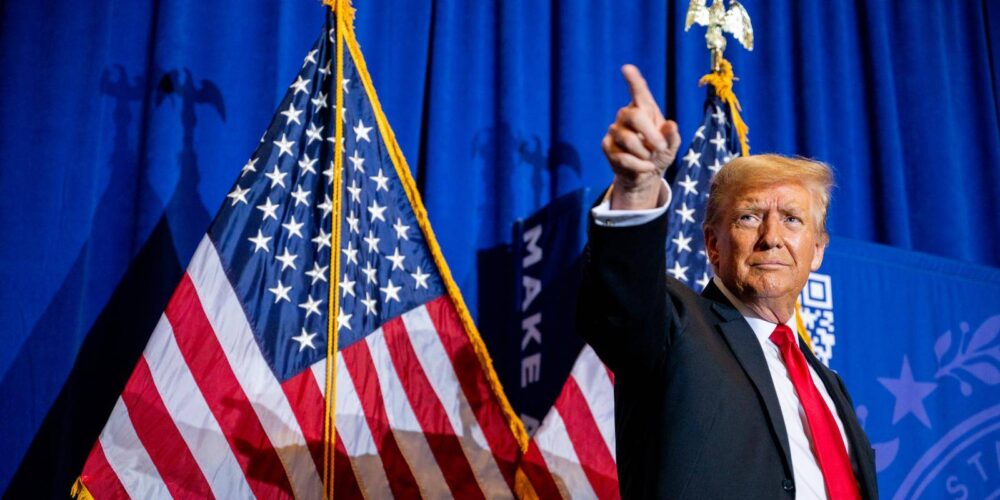
Under the direction of President Donald Trump, the American military posture toward Iran has moved beyond strategic containment into a realm that many seasoned diplomats and legal experts describe as “lawless conflict.” The rhetoric emanating from the White House, characterized by promises of “Death, Fire, and Fury,” suggests a departure from the “rules of engagement” that have governed Western military ethics for generations. As the smoke clears from recent strikes, the international community is left to grapple with a chilling question: Has the United States, once the primary architect of the rules-based order, become the greatest threat to its survival?
The recent American bombing of a girls’ school in Iran, which reportedly resulted in the deaths of approximately 175 civilians, serves as a grim flashpoint for this debate. While the administration has characterized the event as a tragic error, reports indicate the targeting was based on obsolete data. Oona Hathaway, a Yale legal scholar and president-elect of the American Society of International Law, notes that while an “honest mistake” is not a war crime, a reckless lack of care in selecting targets certainly can be. The strike, she argues, lacked both United Nations approval and the immediate necessity required for a claim of self-defense under international law.
The human toll is mirrored by the systematic destruction of life-sustaining systems. Reports from the Iranian Red Crescent Society indicate that the conflict has damaged or destroyed more than 17,000 homes, 65 schools, and 14 medical centers. Perhaps most devastating is the alleged strike on a desalination plant that provided water to 30 villages. David Crane, a former war crimes prosecutor, maintains that if a facility is used primarily for civilian purposes, its destruction constitutes a clear violation of international statutes.
This shift in strategy appears to be a conscious policy choice rather than a series of tactical mishaps. Inside the Pentagon, the traditional guardrails are being dismantled. Defense Secretary Pete Hegseth has publicly denounced “stupid rules of engagement” and moved to dissolve the office dedicated to reducing civilian casualties. This administrative shift aligns with the President’s own social media pronouncements, where he warned that should Iran obstruct the Strait of Hormuz, the U.S. would ensure it is “virtually impossible for Iran to ever be built back as a nation.”
The geopolitical consequences of this “total war” mentality are already manifesting. Rather than toppling the regime, the pressure has seemingly consolidated power within the hardline elements of the Iranian leadership. The ascent of Mojtaba Khamenei, the younger supreme leader, suggests a regime that may be even more resistant to Western diplomacy than its predecessor. Meanwhile, the blockage of vital shipping lanes has sent global fertilizer and energy prices soaring, creating an economic ripple effect that punishes neutral nations and American consumers alike.
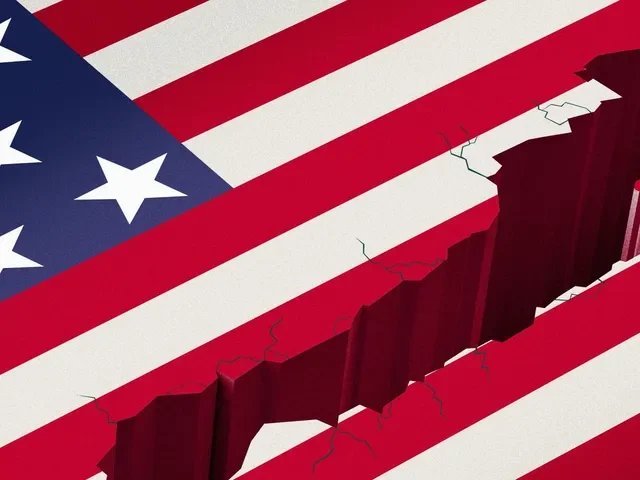
European allies, traditionally the bedrock of American-led coalitions, are increasingly vocal in their dissent. Prime Minister Pedro Sánchez of Spain has labeled the campaign “reckless and illegal,” while former French Prime Minister Dominique de Villepin has gone as far as to urge sanctions against the U.S. actions. The Swiss defense ministry and German Vice Chancellor Lars Klingbeil have echoed these sentiments, suggesting that the “rules-based scaffolding” meant to restrain the worst excesses of war is cracking under American pressure.
Retired four-star Army General Wesley Clark has warned that the current military strategy is “going off the rails,” lacking a clear political endgame. Without a strategy that accounts for post-war reconstruction or the preservation of civilian life, the U.S. risks winning tactical battles while losing its moral authority on the global stage.
The long-term legacy of this conflict may not be the borders it redraws, but the precedents it establishes. If the world’s preeminent power decides that international law is a luxury it can no longer afford, other nations will undoubtedly follow suit. As Tom Fletcher, the United Nations humanitarian chief, recently warned, we are sliding into a world where there are no longer any rules. If the United States continues to lead that slide, the historical effort to limit the horrors of war may be remembered as a brief, failed experiment in human civilization.