









Bangladesh cricket is facing one of its most turbulent phases in recent years, with setbacks at both senior and junior levels exposing deeper structural and performance challenges. The crisis intensified this week after Bangladesh’s Under-19 team were eliminated from the ICC Men’s U19 World Cup, compounding the disappointment of the senior men’s team being left out of the upcoming ICC Men’s T20 World Cup.
The twin blows — one administrative and the other sporting — have sparked growing concern among fans, former players, and cricket analysts about the direction, governance, and long-term development of Bangladesh cricket.
Senior Team Misses ICC Men’s T20 World Cup
Earlier this month, Bangladesh’s senior men’s team was officially excluded from the ICC Men’s T20 World Cup, after the Bangladesh Cricket Board (BCB) declined to send the team to play matches in India, citing security concerns.
The decision followed controversy surrounding Mustafizur Rahman’s removal from the Kolkata Knight Riders squad ahead of IPL 2026, a development that reportedly escalated diplomatic and sporting tensions.
As a result, Scotland were named as Bangladesh’s replacement for the tournament, which is set to begin on February 7 — marking a significant reputational and competitive setback for Bangladesh cricket on the global stage.
Cricket observers have described the development as:
- A major diplomatic setback
- A financial loss for the board
- A blow to Bangladesh’s international credibility
“This isn’t just a cricketing issue — it’s a governance and strategy crisis,” said a South Asian cricket analyst. “Bangladesh risks falling behind emerging teams if structural issues are not addressed.”
U19 World Cup Exit Highlights Development Gaps
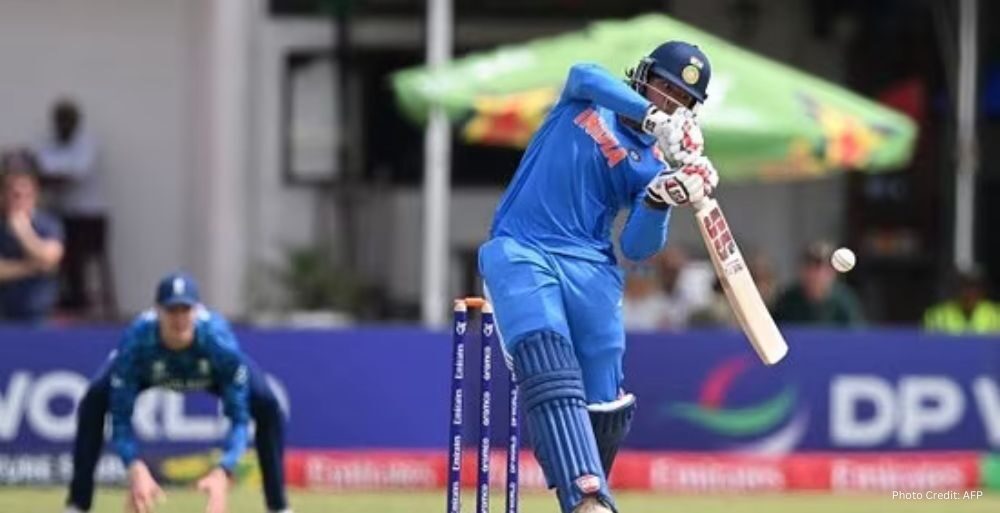
While the senior team grapples with administrative fallout, Bangladesh’s Under-19 side suffered a crucial defeat to England in the Super Six stage of the ICC Men’s U19 World Cup, effectively ending their semifinal hopes.
The match, played in Bulawayo, saw England beat Bangladesh by seven wickets, exposing recurring issues in Bangladesh’s youth setup — particularly batting fragility, poor game management, and pressure handling.
Needing victories in both remaining Super Six matches to stay in contention, Bangladesh stumbled at the first hurdle, failing to post a competitive total.
Match Summary: England Outclass Bangladesh U19
Bangladesh Under-19 Innings
Bangladesh were bowled out for 136 in 38.1 overs, struggling to build partnerships or sustain momentum.
Only two batters offered meaningful resistance:
- Rifat Beg — 31 off 36 balls
- Md Abdullah — 25 runs
England’s bowlers maintained relentless discipline, with:
- Sebastian Morgan claiming 3 wickets for 28 runs
- Manny Lumsden returning 2 wickets for 18 runs, applying pressure through tight lines and controlled variations
Bangladesh’s innings was marred by:
- Loose shot selection
- Frequent middle-order collapses
- Inability to accelerate during key phases
“The lack of composure under pressure remains a recurring concern,” noted a youth cricket observer.
England Under-19 Chase
England made light work of the target, reaching 137/3 in just 24.1 overs.
Captain Thomas Rew led from the front with a mature unbeaten 59 off 50 balls, earning the Player of the Match award for his calm and clinical innings.
Ben Mayes added 34 runs, while Bangladesh bowlers struggled to apply sustained pressure.
Bangladesh’s wicket-takers:
- Al Fahad — 2/37
- Samiun Basir — 1/30
Despite early hope, England controlled the chase comfortably, underlining the gap in execution and consistency between the two sides.
Brief Scores
Bangladesh U19: 136 all out (38.1 overs)
Rifat Beg (31), Md Abdullah (25)
Sebastian Morgan (3/28), Manny Lumsden (2/18)
England U19: 137/3 (24.1 overs)
Thomas Rew (59*), Ben Mayes (34)
Al Fahad (2/37), Samiun Basir (1/30)
Result: England Under-19 beat Bangladesh Under-19 by 7 wickets
Semifinal Hopes Dashed, Final Match Becomes Dead Rubber
The defeat mathematically ended Bangladesh’s hopes of reaching the U19 World Cup semifinals, turning their upcoming fixture against Zimbabwe on January 31 at Harare Sports Club into a dead rubber.
For Bangladesh cricket, however, the broader implications extend beyond tournament standings.
“This isn’t just about one loss — it’s about a pattern,” said a former youth selector.
“If the pipeline at the U19 level weakens, the senior team inevitably suffers in the long run.”
Structural Concerns: A System Under Pressure
Cricket experts argue that the setbacks reflect deeper systemic challenges, including:
- Inconsistent talent grooming and grassroots development
- Limited exposure to high-pressure international competition
- Technical gaps in batting temperament and shot discipline
- Administrative instability at board level
- Growing competition from emerging cricket nations
Analysts warn that countries like Scotland, Ireland, Afghanistan, and Zimbabwe are closing the performance gap — while Bangladesh risks stagnation if reforms are delayed.
Fan and Public Reaction: Calls for Reform Grow Louder
The dual disappointments have sparked intense reaction from fans, former players, and media, with many calling for:
- Accountability at the Bangladesh Cricket Board
- Long-term youth development reforms
- Improved player mentoring and mental conditioning
- Transparent selection and performance evaluation systems
Social media has been flooded with concerns that Bangladesh cricket is losing momentum at a time when global competition is becoming tougher.
The Bigger Picture: A Crossroads Moment for Bangladesh Cricket
With the senior team missing a global tournament and the U19 side exiting early, Bangladesh cricket finds itself at a critical crossroads.
The coming months could determine whether the country:
- Rebuilds with a structured development roadmap, or
- Continues to struggle with recurring administrative and performance setbacks
“Talent exists in Bangladesh — the challenge is building a system that consistently nurtures and protects it,” said a regional cricket analyst.
Conclusion: Results Reflect a Broader Reckoning
The U19 World Cup exit and T20 World Cup snub are not isolated disappointments — they are part of a larger narrative about planning, governance, and long-term vision.
Unless Bangladesh cricket undertakes systemic reforms, strengthens its youth pipeline, and restores administrative stability, experts warn the nation could lose ground in international cricket.
For now, the England loss stands as a symbolic reminder: the crisis runs deeper than the scoreboard.