




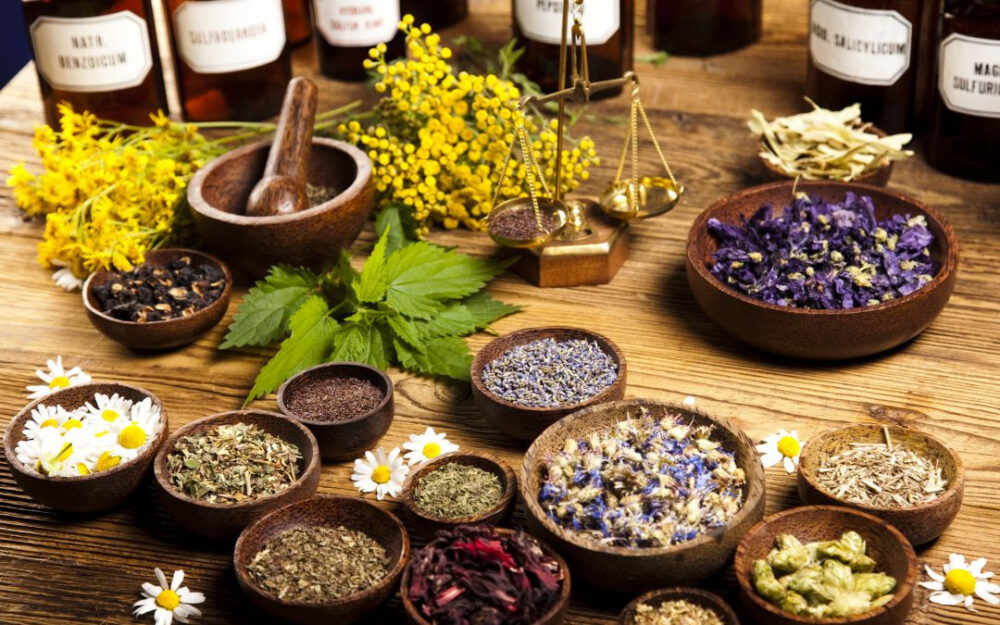
GENEVA / NEW DELHI — From herbal remedies prepared by traditional healers in Africa to acupuncture clinics in China and centuries-old Ayurvedic practices in India, traditional medicine systems long dismissed as unscientific are now being re-examined by the World Health Organization (WHO) as a potentially transformative force in global healthcare.
The UN health body is preparing to roll out a new global traditional medicine strategy for the next decade, signalling a significant shift in how non-biomedical practices may be researched, regulated, and — where evidence supports — integrated into mainstream healthcare systems.
Leading this effort is Shyama Kuruvilla, head of the WHO Global Traditional Medicine Centre, who describes the moment as a rare convergence of opportunity, technology, and political will.
“I’m not saying we know what works and what doesn’t work at scale,” Kuruvilla said. “But I think there’s this opportunity right now to find out.”
From Dismissal to Data
For decades, traditional, complementary and integrative medicine (TCIM) was often sidelined due to a perceived lack of rigorous evidence. That landscape is now changing rapidly. Advances in artificial intelligence, genomics, and medical imaging are allowing researchers to investigate traditional practices in ways that were simply not possible before.
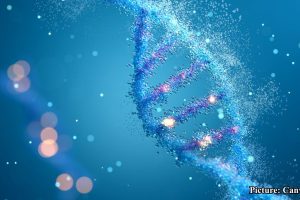
Genomic analysis can uncover the biochemical properties of medicinal plants, while tools such as functional MRI scans can track measurable changes in brain activity linked to meditation and mindfulness practices.
“Meditation used to be dismissed as ‘woo-woo stuff’,” Kuruvilla said. “Now neuroscience is showing changes in brain waves and pathways linked to health outcomes. That’s incredibly exciting.”
A Strategy Rooted in Evidence
Earlier this year, WHO member states agreed that the organization should adopt a comprehensive framework aimed at harnessing the potential of traditional medicine based strictly on evidence. The strategy focuses on three pillars: building a robust scientific evidence base, developing regulation for treatments and practitioners, and integrating proven practices into national health systems.
Crucially, WHO insists that standards of safety and efficacy will apply equally to traditional medicine and biomedicine.
“Our bottom line is evidence,” Kuruvilla said. “If it’s not supported by robust, reliable data — especially on safety and efficacy — WHO will not support it, whether it’s biomedicine or traditional medicine.”
Thailand’s Model and Global Momentum
Thailand has emerged as a case study for evidence-based integration. Researchers there have conducted randomized controlled trials on traditional herbal remedies, enabling several treatments to be added to the country’s essential medicines list. Earlier this year, Thailand’s health ministry even recommended traditional remedies for conditions such as muscle pain and constipation in place of some conventional drugs.
Such examples underscore what WHO officials see as untapped potential, particularly in countries facing healthcare workforce shortages and funding constraints.
“Traditional medicine could make a huge contribution to universal health coverage,” Kuruvilla said, noting the millions of trained practitioners already working in countries such as China and India.
Addressing Controversies and Concerns
The WHO’s renewed focus has raised concerns among some scientists that unproven systems like homeopathy could gain legitimacy. Kuruvilla pushed back firmly, noting that homeopathy does not meet WHO’s definition of traditional medicine and lacks sufficient evidence.
“With all systems, if the evidence changes, we must be open to that,” she said. “But until then, WHO sticks to science.”
WHO surveys show that in most countries, TCIM services remain outside formal health systems, are largely paid for out of pocket, and are often unregulated — despite massive public demand. This lack of oversight, Kuruvilla warned, poses real risks in a booming global wellness industry now valued in the trillions of dollars.
“Not engaging wasn’t an option,” she said. “Without safeguards, everything goes on anyway.”
Building a Bridge Between Traditions and Science
This week, WHO launched a Strategic Technical Advisory Group for Traditional Medicine at a global summit in India, marking what officials called a “pivotal moment.”
“Traditional medicine embodies cultural heritage and national health identities,” said Yukiko Nakatani, WHO’s assistant director-general for health systems and data. “It is increasingly a vital component of primary healthcare strategies.”
The long-term goal, Kuruvilla explained, is not to replace biomedicine but to build a bridge — finding common ground where science, safety, and tradition intersect.
Failing to invest, she warned, would mean denying millions access to their preferred healthcare choices in a safe way and missing an opportunity to draw on humanity’s shared medical heritage.
“Traditional medicine could be a treasure trove,” she said. “For people, for health systems, and for the planet.”