






Why Coorg Holds the Crown While Bengaluru Powers the Brew
India’s relationship with coffee is older, deeper, and more layered than many realise. Long before latte art and third-wave cafés became urban status symbols, coffee was quietly taking root in the mist-covered hills of southern India. While cities like Bengaluru have become synonymous with café culture and global exports, the true soul of Indian coffee lies elsewhere — in the rolling plantations of Coorg, also known as Kodagu, in Karnataka.
Often celebrated as the Coffee Capital of India, Coorg earns this title not through branding or buzz, but through soil, climate, and centuries of cultivation.
Where India’s Coffee Story Truly Begins
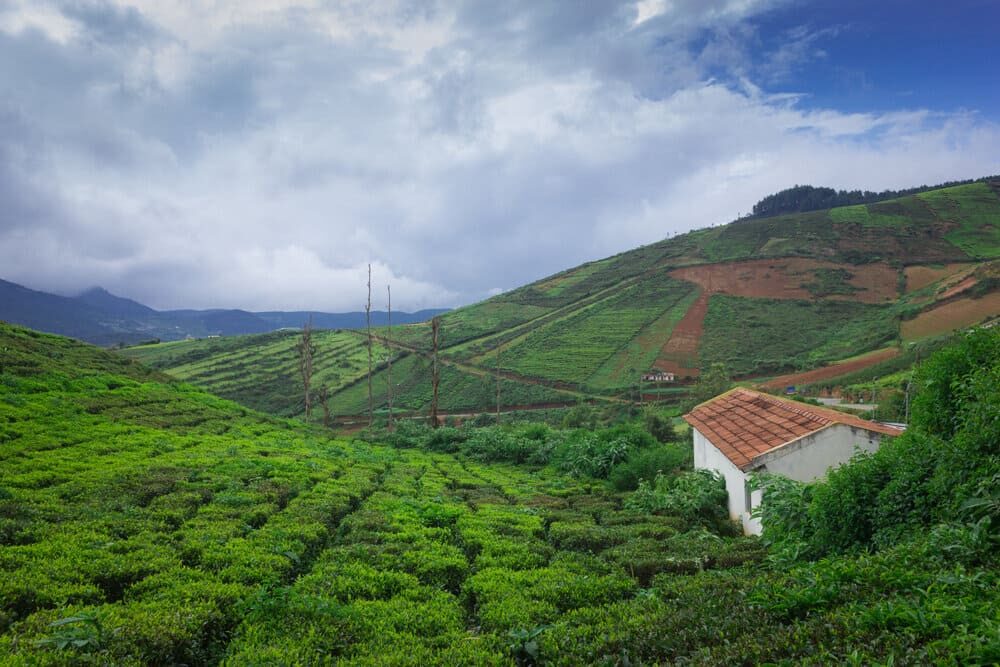
India’s coffee journey does not begin in cafés or roasteries, but on shaded estates where coffee plants grow alongside pepper vines, cardamom, and fruit trees. Coorg’s geography makes it uniquely suited for coffee cultivation. Its elevation, heavy monsoon rainfall, and nutrient-rich red soil create ideal growing conditions, allowing coffee beans to develop complex flavours under natural shade.
“Coffee in Coorg is not just a crop; it’s a way of life passed down through generations,” says a senior planter from Kodagu. “Every harvest carries the history of the land.”
Introduced during the 19th century under British rule, coffee farming in Coorg gradually evolved into a cornerstone of India’s coffee economy. Today, the district contributes a significant share of India’s total coffee output, placing it firmly at the heart of the nation’s coffee belt.
Why Coorg Is Called the Coffee Capital of India
The title “Coffee Capital of India” belongs to Coorg because it represents origin, not just commerce. While Bengaluru manages exports and innovation, Coorg grows the beans that define Indian coffee worldwide.
Plantations in Coorg produce both Arabica and Robusta varieties. Arabica beans, cultivated at higher altitudes, are known for their smooth aroma and mild acidity, making them popular in specialty markets. Robusta, more dominant in the region, delivers a bold, full-bodied flavour that forms the backbone of South India’s iconic filter coffee.
What sets Coorg apart is its intercropping tradition. Coffee is grown alongside spices like pepper, cardamom, and vanilla, subtly influencing flavour profiles. This natural integration gives Coorg’s beans their distinctive character, highly valued in international markets.
“Single-estate coffees from Coorg are increasingly sought after globally because of their traceability and terroir,” notes a coffee exporter based in Karnataka.
Coffee Culture: Slow, Earthy, and Personal
In Coorg, coffee is not rushed. It is brewed slowly, often multiple times a day, in estate homes where beans are roasted locally in small batches. Drinking coffee here is less about caffeine and more about ritual.
For travellers, Coorg offers immersive experiences that go beyond the cup. Plantation walks explain the bean-to-brew journey, traditional Kodava meals are paired with freshly brewed filter coffee, and estate cafés allow visitors to enjoy single-origin brews in serene surroundings. Coffee tourism has flourished, turning Coorg into a destination for those who want to experience coffee at its source.
Bengaluru: The Commercial Powerhouse Behind the Beans
While Coorg grows the coffee, Bengaluru drives the business. The city houses the Coffee Board of India, major exporters, roasters, and a booming specialty café scene. Most beans harvested in Coorg and neighbouring regions pass through Bengaluru before reaching cafés across India and shelves worldwide.
“Bengaluru is where tradition meets innovation,” says a specialty café founder in the city. “But the beans, the real magic, always come from the hills.”
Together, Coorg and Bengaluru form the backbone of India’s coffee ecosystem — one rooted in land and legacy, the other in trade and transformation.
The Bigger Picture
Karnataka produces nearly 70% of India’s coffee, and Coorg alone accounts for a substantial share of that output. From humble filter coffee served in steel tumblers to globally celebrated single-origin brews, India’s coffee story is inseparable from Coorg’s plantations.
So the next time you sip a cup of Indian coffee, remember: its journey likely began in the misty hills of Coorg, long before it reached your café table.