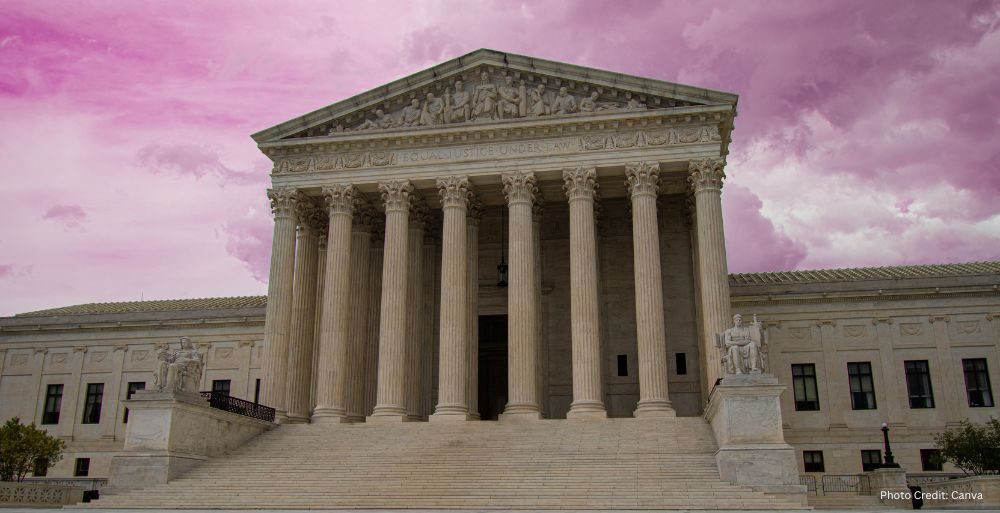






In a 6–3 decision Friday, the Supreme Court of the United States struck down a substantial portion of tariffs imposed by Donald Trump, triggering a fresh legal dispute over more than $130 billion already collected by the federal government.
The ruling invalidated key elements of the tariff program but did not address whether importers are entitled to refunds for duties already paid. Nor did the justices provide guidance on how any repayments should be carried out. As a result, the matter is expected to shift to the U.S. Court of International Trade, which typically oversees customs-related disputes. Refunds, if ordered, would be processed by U.S. Customs and Border Protection.
Speaking at the White House, Trump criticized the court for failing to clarify the issue. He said the justices spent months preparing their opinion yet did not indicate whether the government should retain or return the funds, predicting the question would now be tied up in litigation for years.
In a dissenting opinion, Brett Kavanaugh warned that resolving refunds would be a “mess,” echoing concerns raised during oral arguments by Amy Coney Barrett, who ultimately joined the majority in striking down the tariffs. Kavanaugh wrote that the court offered no direction on whether or how the government should repay importers and cautioned that returning billions of dollars could significantly affect the U.S. Treasury.
Ahead of the ruling, Trump and senior economic officials repeatedly warned of the potential financial consequences. In a post on Truth Social last month, Trump said overturning the tariffs could force the government to repay “many Hundreds of Billions of Dollars,” possibly even “Trillions” when factoring in related investments.
Trade experts say any repayment process would likely be lengthy and complex. Former Commerce Secretary Wilbur Ross predicted further legal challenges, suggesting the administration would contest broad refund efforts.
Scott Lincicome, vice president of general economics at the Cato Institute, said smaller importers could face disproportionate challenges, lacking the resources to pursue extended litigation over refunds.
The Justice Department and litigants have already asked the trade court to form a steering committee to coordinate more than 1,000 refund-related cases currently pending — a standard step in large-scale trade disputes.
In court filings, the Justice Department acknowledged that if the tariffs are ultimately deemed unlawful, importers would likely be entitled to refunds. Any payments would be processed primarily through CBP’s Automated Commercial Environment system as the agency transitions to fully electronic refunds.
Nazak Nikakhtar, a former Commerce Department official now with the law firm Wiley Rein, said Customs is developing procedures to manage claims gradually, meaning companies should not expect immediate repayments. She added that customers who did not independently negotiate tariff reimbursement agreements may have limited avenues for recovery.
Industry groups are urging swift action. The American Apparel & Footwear Association said it is confident CBP can provide clear guidance and move quickly to return unlawfully collected duties.
Trump, however, signaled that refunds are far from certain. Asked whether companies could expect repayments, he noted that the court’s ruling did not address the issue and predicted extended litigation in the years ahead.