





The United States military has officially commenced major combat operations within Iranian territory as confirmed by President Donald Trump on Saturday following a series of coordinated aerial and maritime strikes. This significant military escalation coincides with a massive missile counteroffensive from Tehran targeting several major cities across the Middle East including Jerusalem and urban centers in the United Arab Emirates and Qatar. The multi-front conflict marks a breakdown in diplomatic efforts and has triggered a regional security crisis that threatens to destabilize global energy markets and international maritime trade routes.
President Trump announced the commencement of the campaign via a video message on his Truth Social account characterizing the mission as a necessary step to protect the American people from what he described as imminent threats posed by the Iranian government. The president referred to the leadership in Tehran as a vicious group and emphasized that the objective of the military action is the total elimination of those threats. Reports from various news agencies indicate that the initial wave of the assault involved a combination of air strikes and sea-based missile launches targeting strategic locations including government ministries in the southern sector of the capital city.
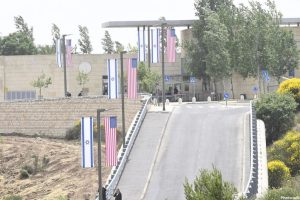
The Israeli military participated in the offensive by conducting its own strikes on Tehran where witnesses reported seeing large clouds of smoke rising from the downtown district. Following these initial attacks the Israel Defense Forces confirmed that they had identified numerous inbound missiles launched from Iranian territory toward Israel. The Israeli government activated its advanced aerial defense systems to intercept the incoming threats while the Home Front Command issued emergency directives to citizens via mobile alerts instructing them to seek immediate shelter. The escalation has turned the region into an active combat zone with explosions reported in various secondary locations.
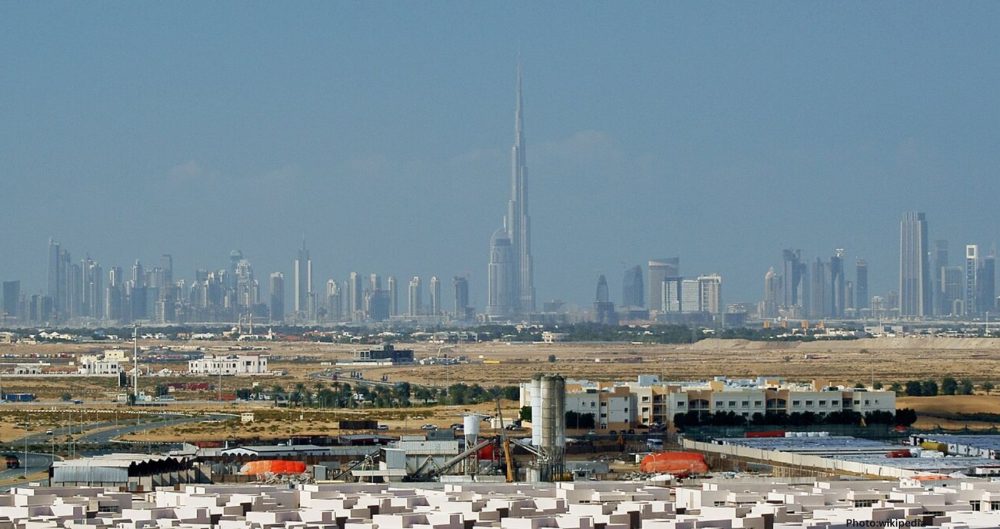
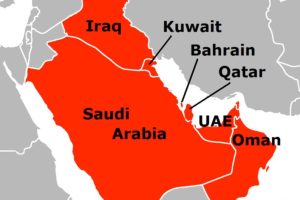
Iran responded to the incursions by launching ballistic missiles at several neighboring Gulf states that host Western military assets or maintain close ties with the United States. In Dubai a producer for CNBC reported hearing at least two significant explosions over the city as Emirati air defenses engaged incoming projectiles. The United Arab Emirates Ministry of Defense later issued a formal statement condemning the blatant attack and confirmed that their missile defense units successfully intercepted several Iranian ballistic missiles. The ministry praised the efficiency of its defense forces while highlighting the grave nature of the violation of their national sovereignty.
Qatar also faced direct targeting during the counteroffensive leading to a sharp rebuke from the Qatari Ministry of Defense. Officials in Doha described the targeting of their territory as a flagrant violation of national sovereignty and expressed strong condemnation for the use of ballistic missiles against their soil. The spread of the conflict to these neutral or Western-aligned energy hubs underscores the potential for a wider regional war. In Bahrain the service center for the United States Fifth Fleet was reportedly subjected to a missile attack prompting the U.S. Embassy in Manama to issue a high-level security alert.
U.S. Embassy personnel in both Bahrain and the United Arab Emirates have been ordered to shelter in place as the threat of drone and missile attacks remains high. Citizens residing in these areas have been urged to review their personal security plans and remain vigilant for further strikes. The U.S. Department of State has not yet provided a definitive timeline for the duration of these combat operations but the intensity of the opening salvos suggests a sustained military engagement aimed at degrading Iranian military infrastructure and command centers.
The transition from diplomacy to kinetic military action follows months of high-stakes negotiations and military positioning. The United States had previously assembled a formidable fleet of fighter jets and warships in the Persian Gulf and surrounding waters in an attempt to pressure Tehran into a new agreement regarding its nuclear program. Tensions spiked in early February when President Trump warned of severe consequences if a deal was not reached. Despite a third round of talks held in Switzerland just days ago the two sides remained fundamentally at odds over the scope of the negotiations.
U.S. Secretary of State Marco Rubio had identified Iran’s refusal to include its ballistic missile program in the nuclear discussions as a primary obstacle to peace. While Iranian officials expressed a limited willingness to discuss nuclear enrichment levels they maintained that their missile defense capabilities were a matter of national security and not subject to international negotiation. President Trump countered this position by claiming that Tehran was using the talks as a distraction while continuing to pursue the development of nuclear weapons and long-range delivery systems capable of reaching Europe and the American mainland.
The President also referenced a previous military action known as Operation Midnight Hammer which he claimed had significantly damaged Iranian nuclear facilities at Fordow and Isfahan last June. According to the White House Tehran was warned not to resume its nuclear activities following that engagement but allegedly chose to rebuild its capabilities instead. This perceived defiance served as the primary justification for the Saturday strikes. However a senior Middle East diplomat suggested that the timing of the attack may have been influenced by external pressure noting that military intervention often occurs just as diplomatic channels show signs of progress.
Israeli Prime Minister Benjamin Netanyahu praised the American leadership for taking decisive action against the Iranian regime. He stated that Iran must never be allowed to acquire nuclear weapons which he argued would pose an existential threat to humanity. Conversely the Iranian government has denounced the joint U.S.-Israeli operation as a gross violation of international law and territorial integrity. The rhetoric from Tehran suggests that the regime views the current situation as an act of unprovoked aggression and intends to continue its retaliatory strikes against regional targets.
International reaction to the outbreak of hostilities has been swift and largely focused on the potential for global catastrophe. French President Emmanuel Macron warned of grave consequences for the entire world and called for an urgent meeting of the United Nations Security Council. He urged the Iranian regime to return to the negotiating table but also stressed that the current military escalation is dangerous for all parties involved. Meanwhile the Russian Foreign Ministry issued a statement condemning the strikes as a reprehensible act that undermines the possibility of a long-term normalization of the situation in the Middle East.
The economic impact of the conflict was immediately felt in the global energy markets. Oil prices surged to six-month highs as news of the combat operations broke with traders fearing a total disruption of supply through the Strait of Hormuz. As a founding member of OPEC and a key player in the regional energy landscape any prolonged conflict involving Iran threatens to choke off nearly 20 percent of the world’s daily oil transit. Market analysts are bracing for extreme volatility as the situation evolves and the possibility of a prolonged closure of vital shipping lanes becomes more likely.