









Former U.S. President Donald Trump frequently highlights his role as a global peacemaker, often claiming he helped resolve multiple international conflicts within months. His ambition to secure a Nobel Peace Prize has been no secret, and he regularly points to what he calls eight peace breakthroughs in eight months.
However, a closer look reveals a more complicated picture. Several of the agreements Trump cites are fragile ceasefires, others remain disputed, and some have already unraveled.
Ceasefires vs. Lasting Peace
Foreign policy experts note that many of Trump’s touted achievements were temporary truces rather than durable peace agreements.
“President Trump promotes each deal as historic peace,” says Max Boot, senior fellow at the Council on Foreign Relations. “But most were oversold. What we’re really talking about are ceasefires — and ceasefires can collapse at any time.”
That distinction has proven critical.
Deals That Failed to Hold
One of the most publicized agreements, the Thailand–Cambodia border accord, signed in October and labeled the Kuala Lumpur Peace Accord, saw fighting resume just weeks later. Despite Trump later claiming both sides had agreed to halt hostilities, neither government officially confirmed a ceasefire.
Similarly, Trump celebrated a peace deal between Rwanda and the Democratic Republic of Congo as a “glorious triumph.” Yet clashes continued even as leaders from both countries signed the agreement in Washington.
“These long-running conflicts don’t disappear because leaders sign papers,” says Ivo Daalder, former U.S. ambassador to NATO. “Resolving root causes requires sustained diplomacy and years of effort.”
Disputed Credit and Diplomatic Strain
Trump also claimed responsibility for easing tensions between Egypt and Ethiopia over the Nile dam dispute — despite the two nations not being at war.
His assertions about mediating peace between India and Pakistan were directly challenged by Indian Prime Minister Narendra Modi, who denied U.S. involvement. Shortly afterward, the Trump administration imposed 50% tariffs on Indian imports, a move analysts believe worsened bilateral relations.
“I think Trump was angered by Modi’s refusal to validate his claims,” Boot said, calling the episode a serious setback in U.S.–India ties.
Mixed Results in the Middle East
Trump’s most widely acknowledged success remains the Abraham Accords, which normalized relations between Israel and several Arab nations, including the UAE, Bahrain, and Morocco.
“That was genuinely significant,” says Matthew Kroenig of the Atlantic Council. “Opening diplomatic and economic ties with Israel was no small feat.”
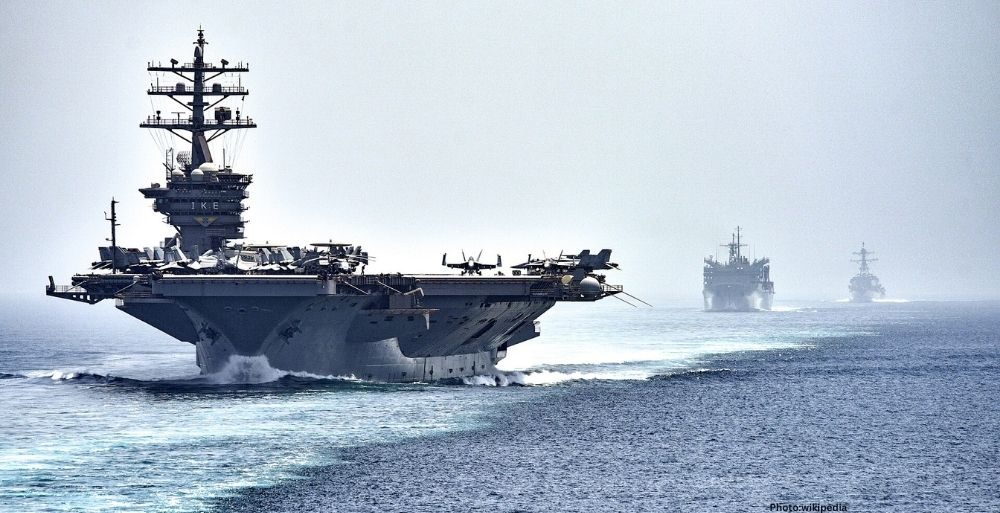
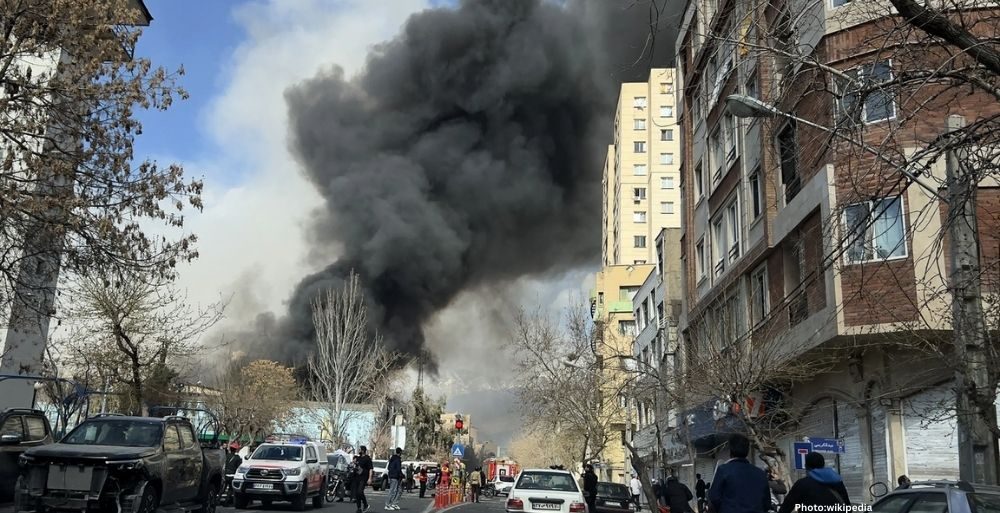
Trump also claimed credit for securing the release of Israeli hostages in Gaza and for brokering a peace deal between Israel and Iran, though that effort followed direct U.S. military strikes on Iranian nuclear sites. Low-level fighting persists in Gaza, and a long-term resolution remains elusive.
Conflicts Still Beyond Reach
Major global flashpoints continue unresolved — notably Russia’s war in Ukraine. At the same time, Trump’s confrontational rhetoric toward Venezuela, including talk of military action, clashes with his self-portrayal as a peacemaker.
“This inconsistency undermines the message,” Daalder notes. “Threatening war contradicts the narrative of global peacebuilding.”
Awards and Ambitions
While Trump did not receive the Nobel Peace Prize — which this year went to Venezuelan opposition leader María Corina Machado — he was recently awarded FIFA’s inaugural Peace Prize, complete with a gold medal.
Still, analysts agree that declaring peace before it exists may generate headlines, but without resolving underlying disputes, many agreements risk collapsing under pressure.