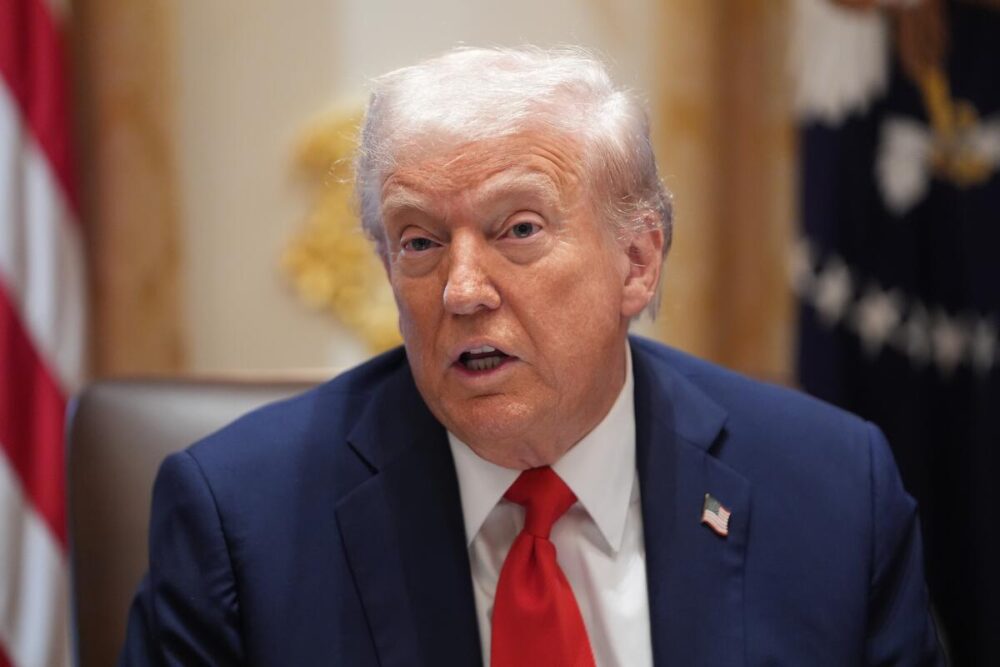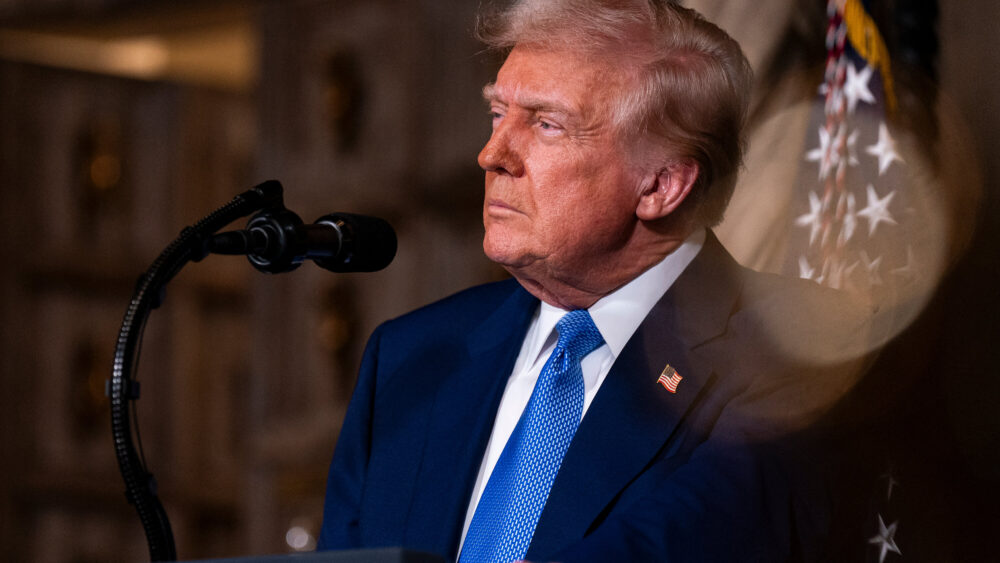







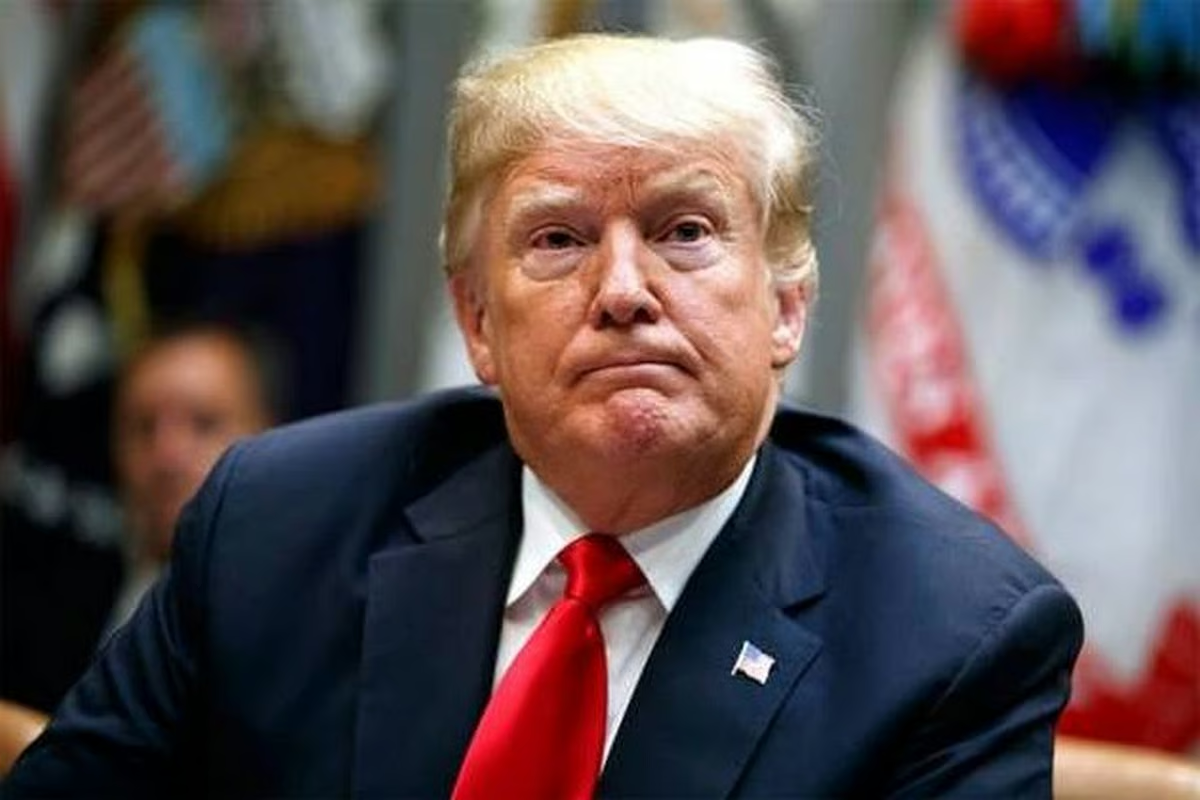
The Environmental Protection Agency on Thursday formally rescinded the 2009 endangerment finding, a foundational scientific determination that greenhouse gases pose a significant threat to public health and the environment. President Trump announced the decision at the White House, effectively terminating the federal government’s legal authority to regulate the emissions responsible for the warming of the planet. The move represents a total reversal of decades of environmental policy and seeks to dismantle the regulatory framework used to limit carbon dioxide, methane, and other gases linked to extreme weather events such as heat waves, droughts, and wildfires.
By erasing this scientific finding, the administration is asserting that the global scientific consensus regarding climate change is incorrect. This decision deviates from the positions held by previous administrations from both political parties, including those of Richard Nixon and George H.W. Bush, who both acknowledged the atmospheric risks posed by industrial pollution. The repeal is being viewed as a significant victory for conservative activists and interests within the oil, gas, and coal industries that have long sought to halt the national transition toward renewable energy sources like wind and solar power.
During the announcement, President Trump characterized the 2009 finding as a disastrous policy from the Obama era and a radical rule that served as the basis for various green energy initiatives. Standing alongside Environmental Protection Agency Administrator Lee Zeldin, the president argued that the regulation had no basis in fact. Mr. Zeldin described the revocation as the largest deregulatory action in the history of the United States, claiming that prior climate-focused policies had launched an ideological crusade that stifled economic sectors, particularly the domestic automotive industry.
The administration has suggested that this deregulatory shift could save manufacturers and businesses approximately one trillion dollars, though officials have not provided a detailed breakdown of how that figure was calculated. For nearly two decades, the endangerment finding served as the legal bedrock for the Environmental Protection Agency to justify limits on pollution from vehicle tailpipes, power plant smokestacks, and oil and gas wells. Without this legal standing, the agency’s ability to enforce such restrictions is effectively neutralized.
Environmental advocacy groups have expressed immediate alarm regarding the long-term impact of the decision. Data from the Environmental Defense Fund suggests that the repeal could lead to a ten percent increase in national greenhouse gas emissions over the next thirty years. The group also warned of significant public health consequences, estimating that the resulting increase in pollution could contribute to tens of thousands of premature deaths and millions of additional asthma attacks by the middle of the century.
Within the administration, officials have pushed back against the classification of carbon dioxide as a pollutant. Interior Secretary Doug Burgum recently argued that because carbon dioxide is emitted during human respiration and is necessary for plant life, it should not be subject to government regulation. While scientists agree that plants require carbon dioxide, they maintain that the current atmospheric concentrations are overwhelming natural cycles and driving the intensification of dangerous climatic shifts.
The political response to the announcement was swift and divided along partisan lines. Former President Barack Obama stated that the repeal would make the country less safe and less healthy while benefiting the fossil fuel industry. California Governor Gavin Newsom pledged to file a court challenge against the decision, arguing that it would lead to more frequent and deadly natural disasters. Other legal experts and environmental leaders, including representatives from the Natural Resources Defense Council, characterized the agency\’s determination as a rushed and unscientific action that lacks a sound legal basis.
In revoking the finding, the administration has introduced a specific legal interpretation of the Clean Air Act. They argue that the federal government should only have the power to limit pollution that causes direct, localized harm near the source of emission. This interpretation ignores the global nature of greenhouse gases, which accumulate in the upper atmosphere and trap heat across the entire planet. Global temperature data indicates that the Earth has already warmed by approximately 1.4 degrees Celsius since the beginning of the Industrial Age.
The elimination of these standards is expected to have the most immediate impact on the transportation sector, which remains the largest source of greenhouse gas emissions in the country. Previous efforts to tighten tailpipe standards were intended to accelerate the adoption of electric vehicles. While the administration is maintaining restrictions on other pollutants like nitrogen oxides and benzene, the removal of greenhouse gas limits allows the Environmental Protection Agency to begin the process of repealing similar restrictions on stationary sources like power plants.
The United States holds a unique position in the global climate landscape as the second-largest current emitter and the largest historical contributor to atmospheric greenhouse gases. Under international agreements like the 2015 Paris Accord, most nations committed to limiting global warming to 1.5 degrees Celsius to avoid the most catastrophic environmental outcomes. However, President Trump has withdrawn the United States from these agreements and other international scientific bodies, leaving the country as the only nation to opt out of the global climate framework.
Legislative reactions reflected the deep regional and economic divides over energy policy. Democratic leaders in the Senate called the move a moral and economic failure that ignores common-sense observations to serve political donors. Conversely, Republican lawmakers from coal-producing states praised the decision as a transformational shift that would protect affordable energy and traditional combustion-engine vehicles. The oil and gas industry has been a major financial supporter of the current administration’s policy goals, which focus on lowering costs for fossil fuel extraction.
The long-term goal of the repeal is to create a permanent legal barrier that prevents future administrations from easily reinstating climate regulations. If the revocation is upheld by the judiciary, any future president seeking to regulate carbon emissions would likely face a prolonged and difficult legal battle to re-establish the scientific and legal standing of the endangerment finding. Proponents of the move argue this provides necessary certainty for businesses and protects consumer choice in the marketplace.
While some industry groups welcomed the change, the business community’s reaction was not entirely uniform. Some organizations that previously fought environmental regulations have recently acknowledged the reality of climate change. Furthermore, some trade groups expressed concern that the federal rollback might lead to a patchwork of conflicting state-level regulations, complicating operations for national companies. Representatives for electric vehicle manufacturers noted that the sudden shift in policy undermines billions of dollars in private investment directed toward clean transportation technologies.
The effort to rescind the finding was a key component of broader conservative blueprints for government overhaul. Supporters of the action argue that if the public wants the government to regulate carbon dioxide, Congress must pass a specific law granting that authority rather than relying on agency interpretations of the Clean Air Act. They contend that the Environmental Protection Agency has overstepped its mandate for years.
The decision also marks a personal policy shift for Administrator Zeldin. During his time in Congress, he occasionally voted in favor of climate-related measures and was a member of bipartisan groups dedicated to finding environmental solutions. However, since joining the administration, he has aligned himself with the president’s deregulatory agenda, characterizing the fight against the endangerment finding as a necessary step to protect the American economy from restrictive federal oversight.
Trump Administration Erases Environmental Protection Agency Power To Regulate Greenhouse Gases